The Golden Triangle, Five Ways
Delhi, Agra and Jaipur form the core of every version below — the difference is what you add on, and how many days you have.
Golden Triangle Tour Packages
Where the Golden Triangle Actually Goes
Planning a Golden Triangle Trip
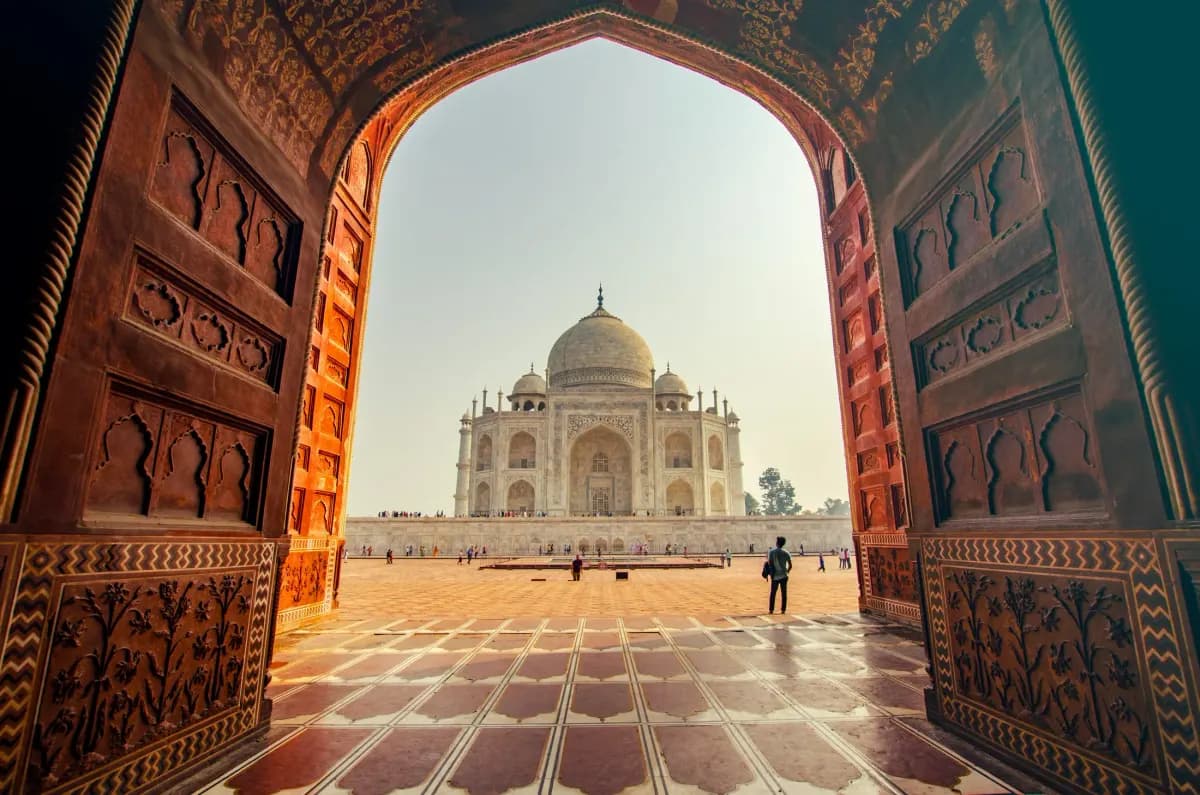
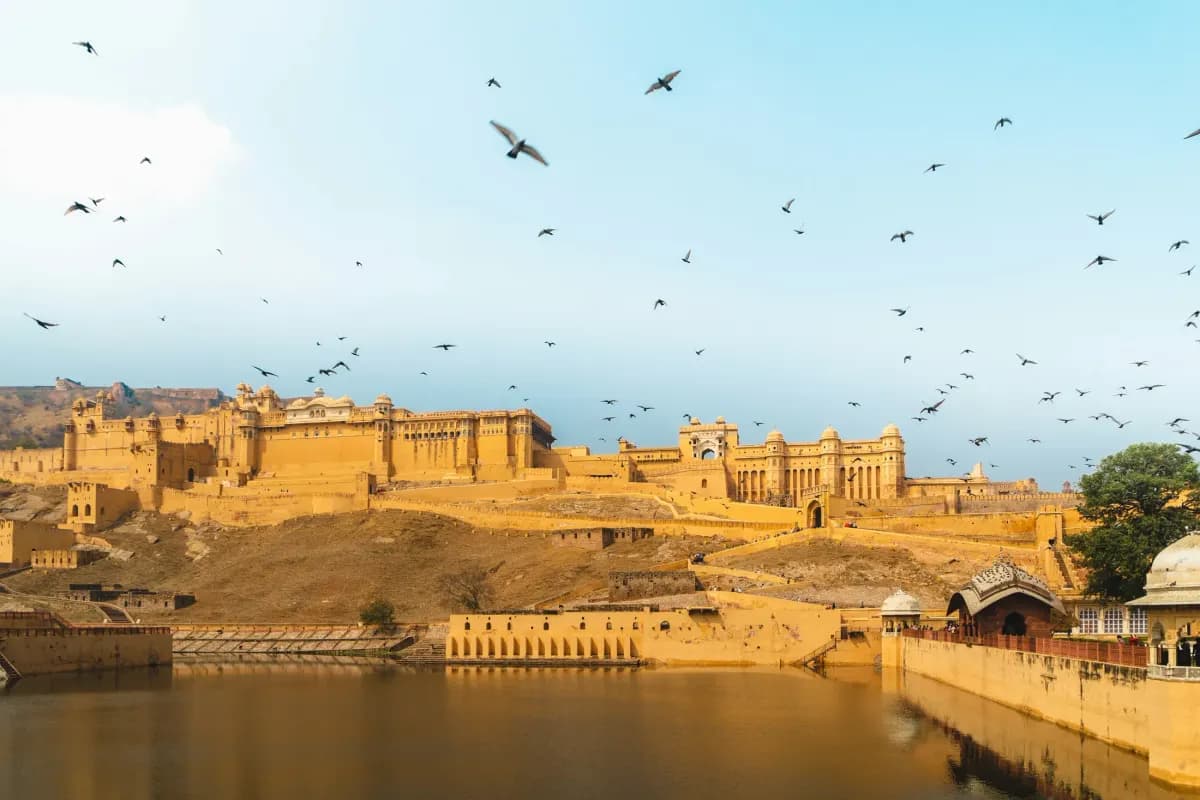
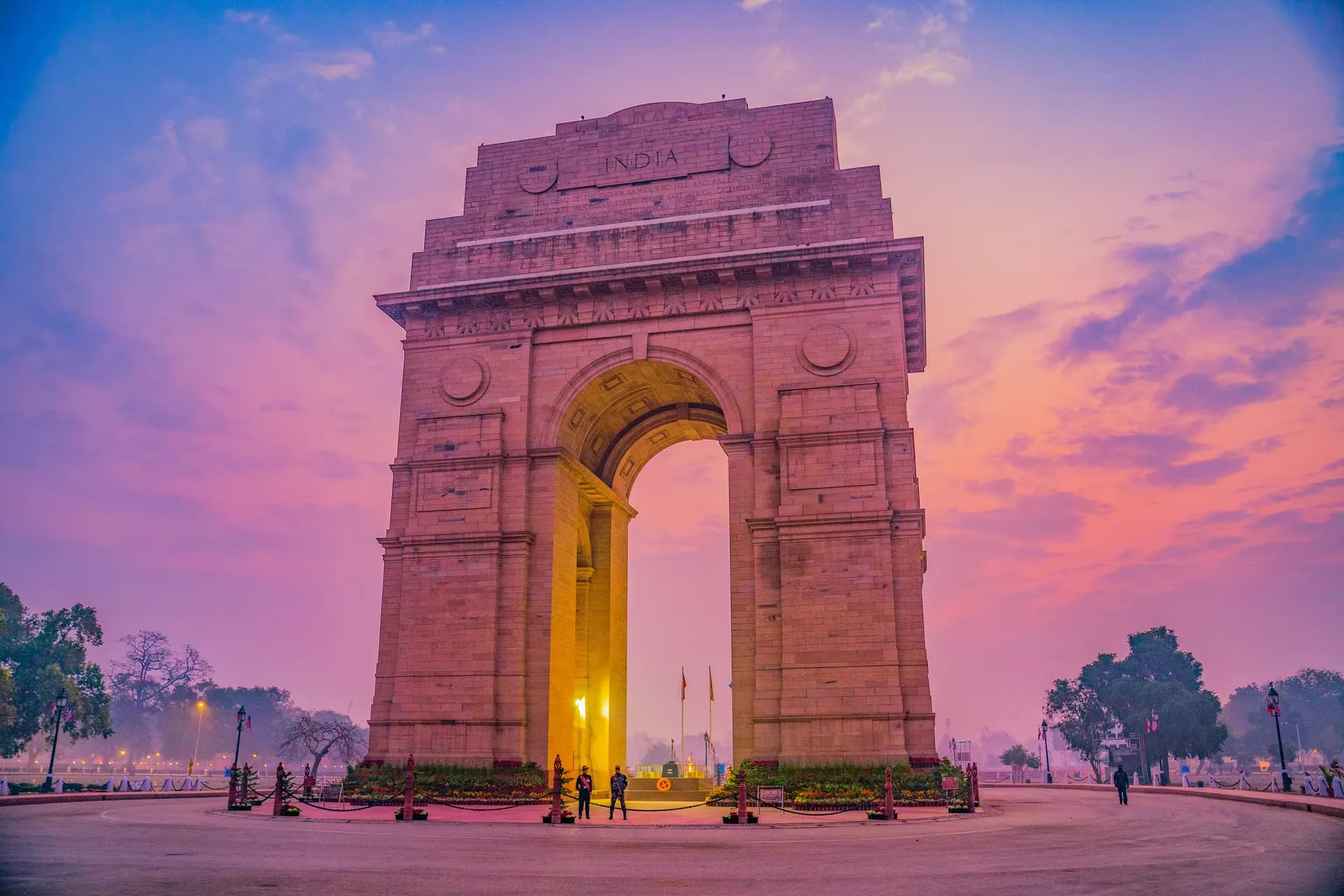
The Golden Triangle — Delhi, Agra and Jaipur — is the single most-booked circuit in Indian tourism, and for a genuinely good reason: it fits an enormous amount of what draws people to India into a trip most travellers can realistically fit into a week. Each city plays a different, complementary role. Delhi is where nearly every international flight lands and where Mughal and colonial history sit side by side — Humayun's Tomb, the Red Fort and Qutub Minar within the same city as British-built New Delhi. Agra exists almost entirely because of one building, though Agra Fort earns its own visit alongside it. And Jaipur, the anchor of Rajasthan, introduces the fort-and-palace architecture that most visitors associate with India generally, well before they've seen the rest of the state.
The 6-day classic route is built for exactly this — a genuine first-time introduction without needing two weeks off, or a longer trip you're not sure you're ready to commit to before you've actually visited India once. It's also, not coincidentally, the itinerary named most often on our country-specific guides for American, British and Australian travellers as the natural starting point, since it answers the question most first-time visitors are actually asking: what should I see if I only have one trip to India?
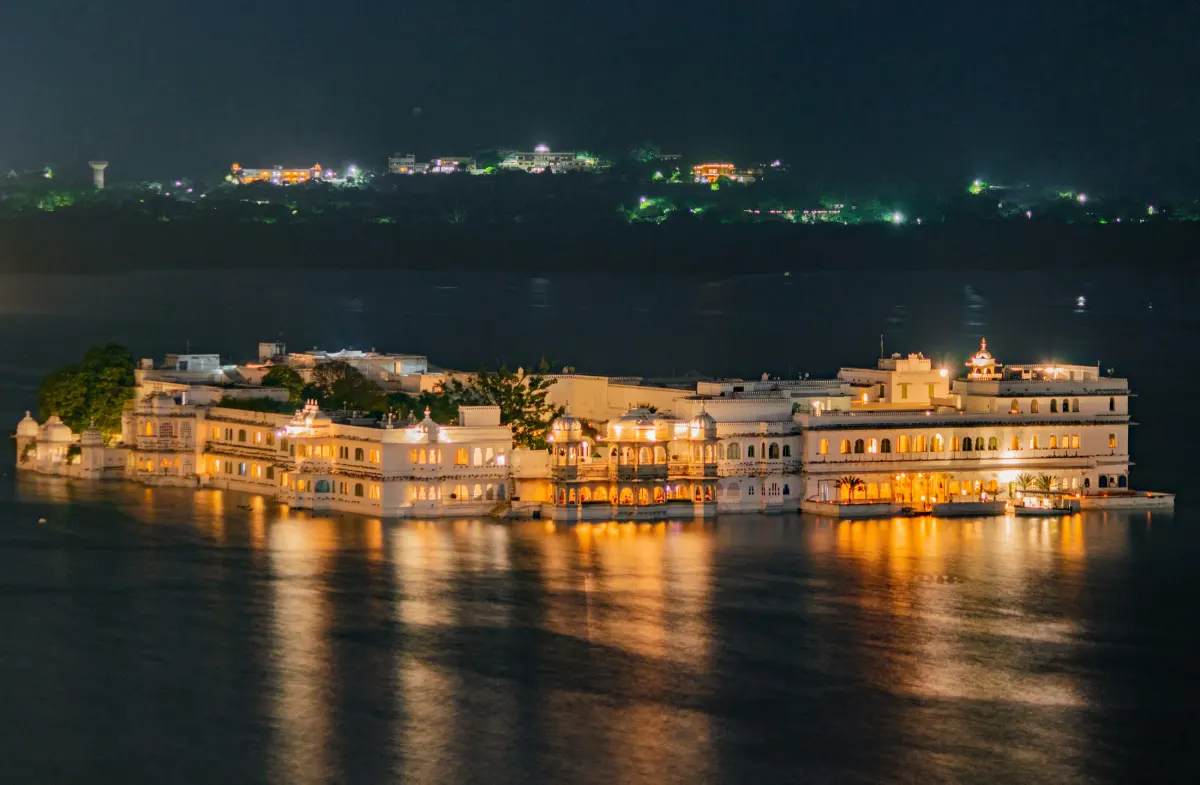
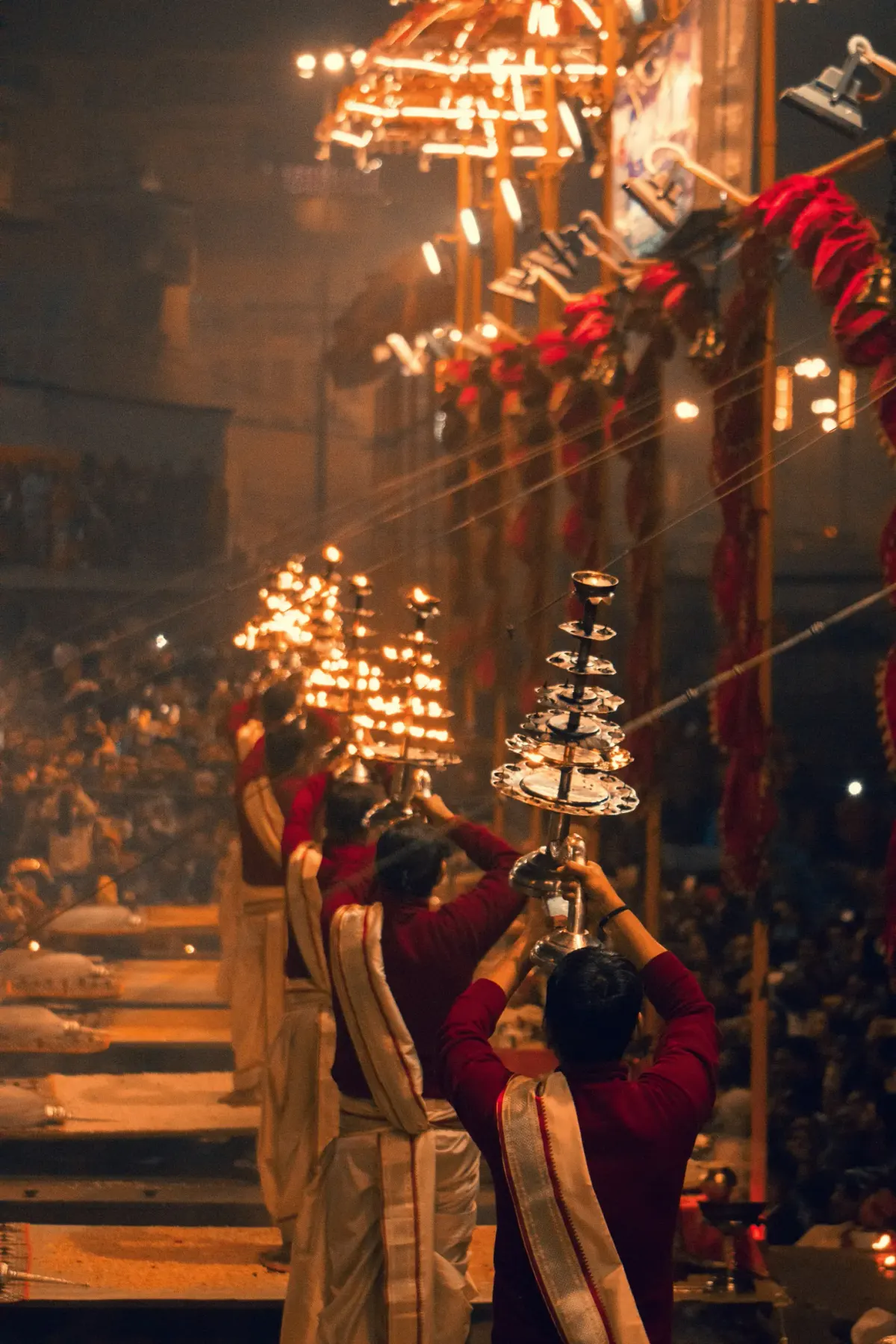
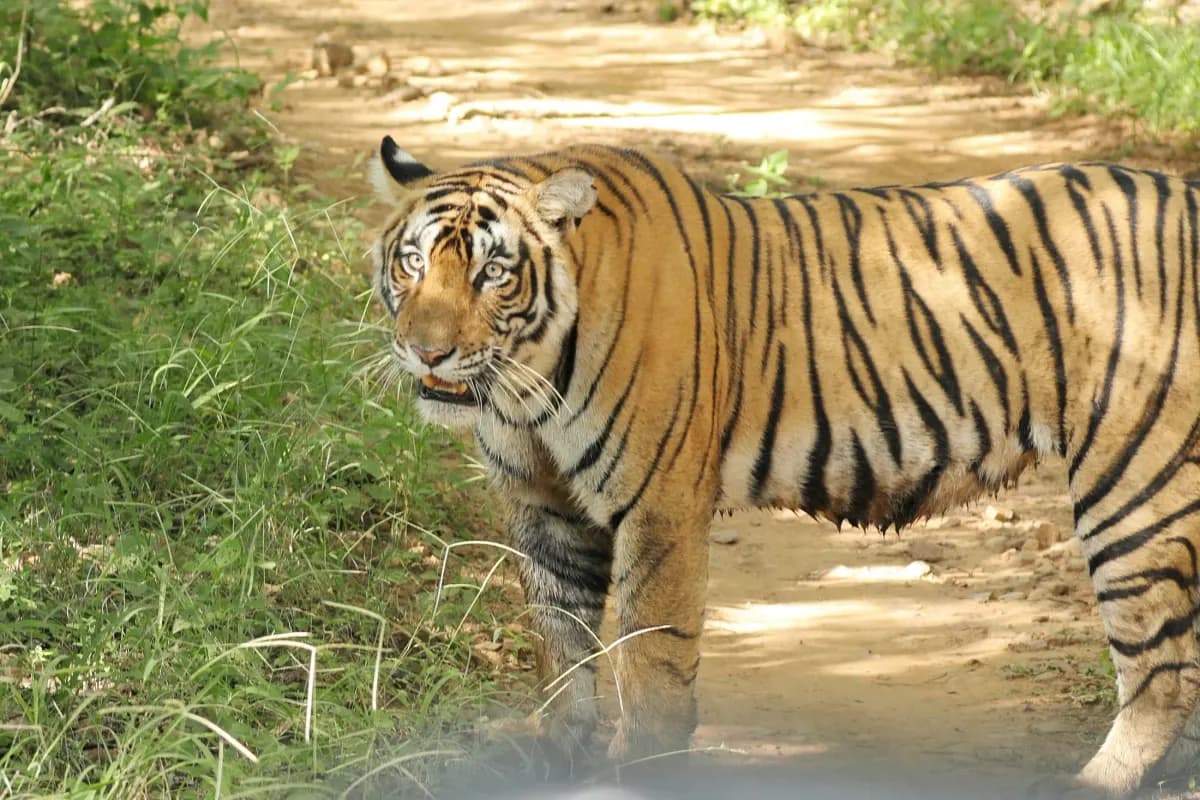
Once the classic route stops being enough, the other four options here each extend it in a different direction rather than simply adding more days to the same three cities. Adding Udaipur softens the pace with lake views and a noticeably more romantic register, which is why it's also a popular honeymoon extension — see our dedicated Taj Mahal Honeymoon itinerary if that's specifically what you're planning. Adding Varanasi takes the trip toward India's spiritual and religious landscape instead, at the ghats where cremation rituals and the nightly Ganga aarti have run continuously for centuries. Adding Ranthambore brings in wildlife — a real chance at a wild tiger sighting — without needing a separate wildlife-focused trip. And adding Ajmer & Pushkar goes deeper into Rajasthan's religious diversity, pairing a Sufi shrine with a Hindu pilgrimage lake barely fifteen kilometres apart.
Three of the sites on the classic route alone — the Taj Mahal, Agra Fort, and Jaipur's Jantar Mantar and walled Pink City — carry UNESCO World Heritage status, which is one reason this circuit anchors our dedicated UNESCO Heritage Sites itinerary too, alongside sites further afield in Delhi, Maharashtra and Odisha. If forts and palaces specifically are what draws you to Jaipur, our Palace & Fort Tours experience goes considerably deeper into that architectural tradition across four Rajasthan cities, of which Jaipur's Amber Fort is only the first.
Every version of this trip runs on a private vehicle and driver throughout — see our car rental fleet for the range — with an English-speaking guide at each stop rather than a fixed group tour schedule. If this is genuinely your first trip to India, our guides to India's e-Visa process and getting around the country cover the practical groundwork most first-time visitors ask about before their trip even starts. Tell us your dates and which of the five routes above interests you, and we'll build the exact itinerary around it.
Getting Around by Private Car



Golden Triangle Tours: Frequently Asked Questions
Can't find your answer? Our team responds within 2 hours on WhatsApp and within 12 hours by email.
The classic Delhi-Agra-Jaipur circuit runs 6 days, which is enough to see each city's main sights without rushing. If you'd like to add Udaipur, Varanasi, Ranthambore, or Ajmer and Pushkar, the extended versions run 8 to 9 days instead.
Delhi first (since it's where nearly every international flight lands), then Agra, then Jaipur, finishing with a flight or drive back to Delhi for departure — or continuing on to whichever extension you've added. This order also roughly follows the historical sequence of Mughal power moving from Delhi to Agra and, later, Rajput Jaipur's rise alongside it.
Yes — it's specifically why this is the most-booked circuit in Indian tourism. It covers an enormous amount of what draws people to India (Mughal history, the Taj Mahal, Rajput forts and palaces) in a timeframe most first-time visitors can realistically commit to, without requiring the longer trip a full Rajasthan or multi-region circuit would need.
Yes — our Golden Triangle with Ranthambore route adds two days at Ranthambore National Park between Jaipur and the rest of the trip, giving you a real chance at a wild tiger sighting without needing a separate wildlife-focused itinerary.
Less than you might expect — this is our most-booked circuit, and 4 to 8 weeks ahead is generally enough for hotel availability, even in peak season (October to March). It's a good option if you're planning a trip on a shorter timeline than a longer, multi-region itinerary would need.
Start Your Journey
Your Golden Triangle Trip Awaits.
Which Route Fits?
Not sure which version suits your dates and interests? Tell us what you have in mind and we'll help you pick — or build something in between.