Himachal Pradesh — Manali & Shimla
Pine-forested mountains, colonial-era hill station charm, and some of North India's best adventure activities — a cool-season escape from the plains.
Best Season
March to June, Oct to Dec
Ideal Trip Length
5 – 7 Days
Main Gateway
Chandigarh / Bhuntar (KUU)
Elevation
~2,050m (Manali)
Manali & Shimla
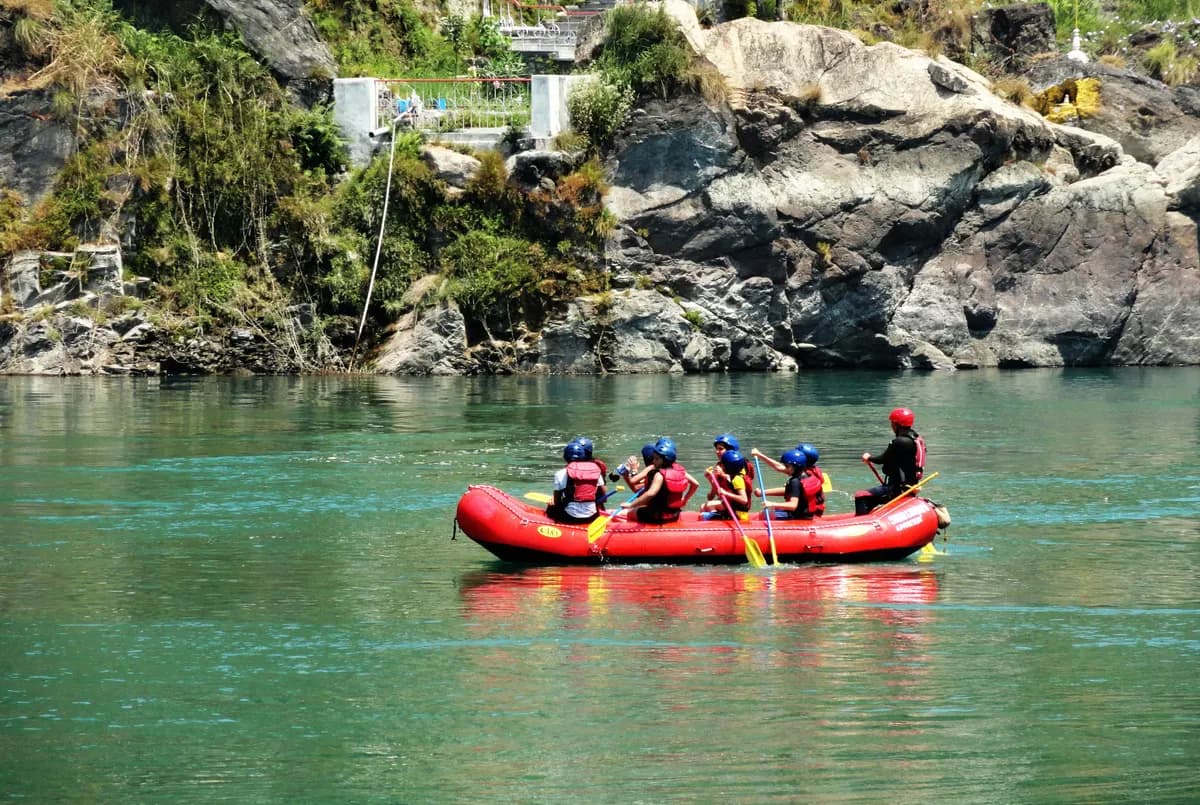
Himachal Pradesh sits in the western Himalayan foothills, and its two best-known towns offer genuinely different experiences under a single destination. Manali, on the Beas river, is North India's most popular base for adventure activities — paragliding over the Solang Valley, river rafting on the Beas, and treks that range from a gentle half-day walk to multi-day routes into the Kullu Valley's higher reaches. The town itself sits at around 2,050 metres, cool enough in summer to draw travellers escaping the heat of the plains and Rajasthan, and surrounded by cedar and pine forest that give it a genuinely alpine feel unusual for this part of India.
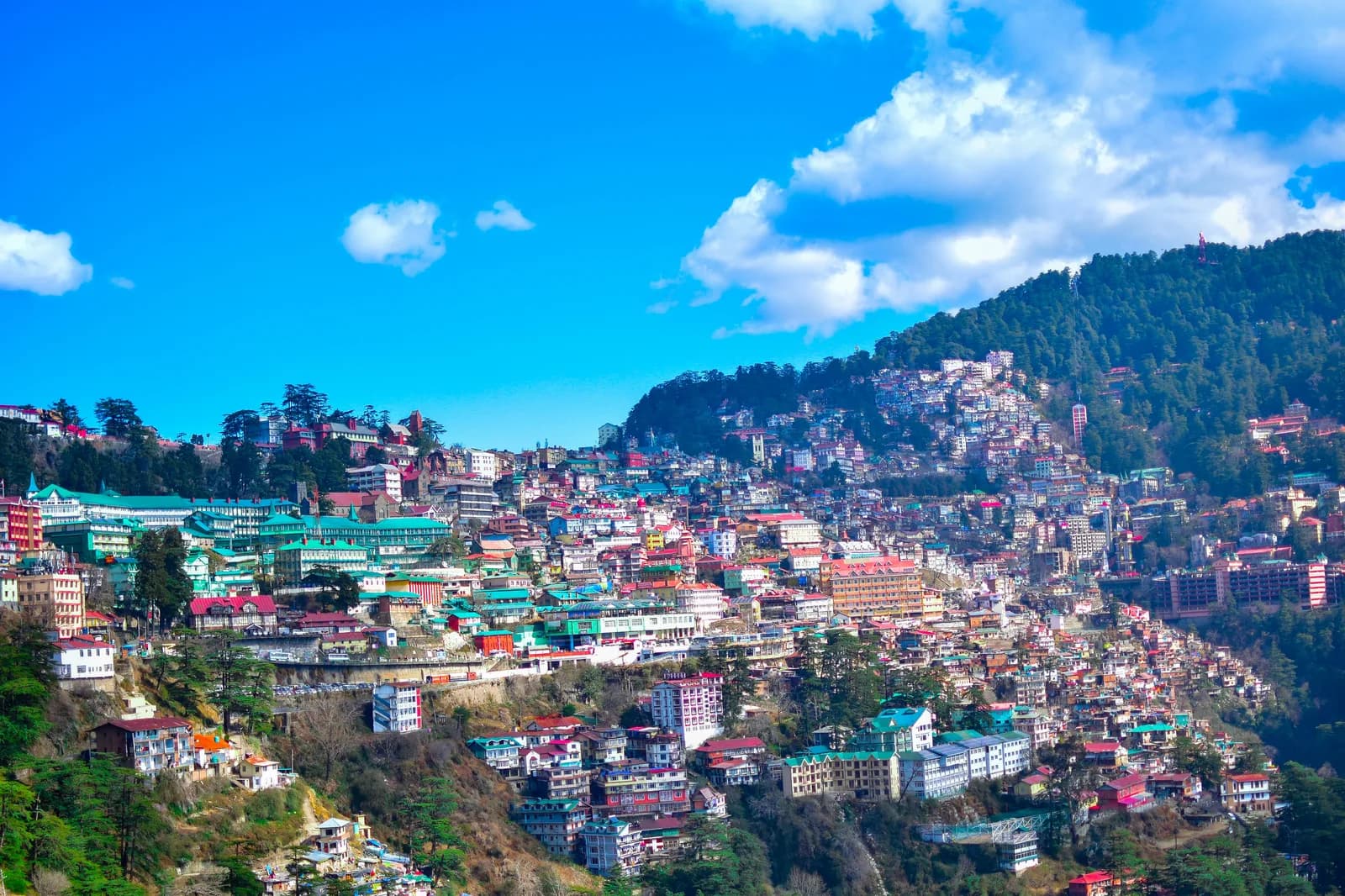
Shimla, Himachal's capital, carries a very different character. As the former summer capital of British India, it retains a distinctly colonial streetscape — timber-framed buildings, Christ Church, and the pedestrian Mall Road that still functions as the town's social centre much as it did under British administration. Reaching Shimla by the Kalka–Shimla toy train, a UNESCO-recognised narrow-gauge railway completed in 1903, is as much a part of the experience as the town itself — the line climbs through more than a hundred tunnels and several hundred bridges on its way up into the hills, a genuinely scenic journey rather than simply a means of transport.
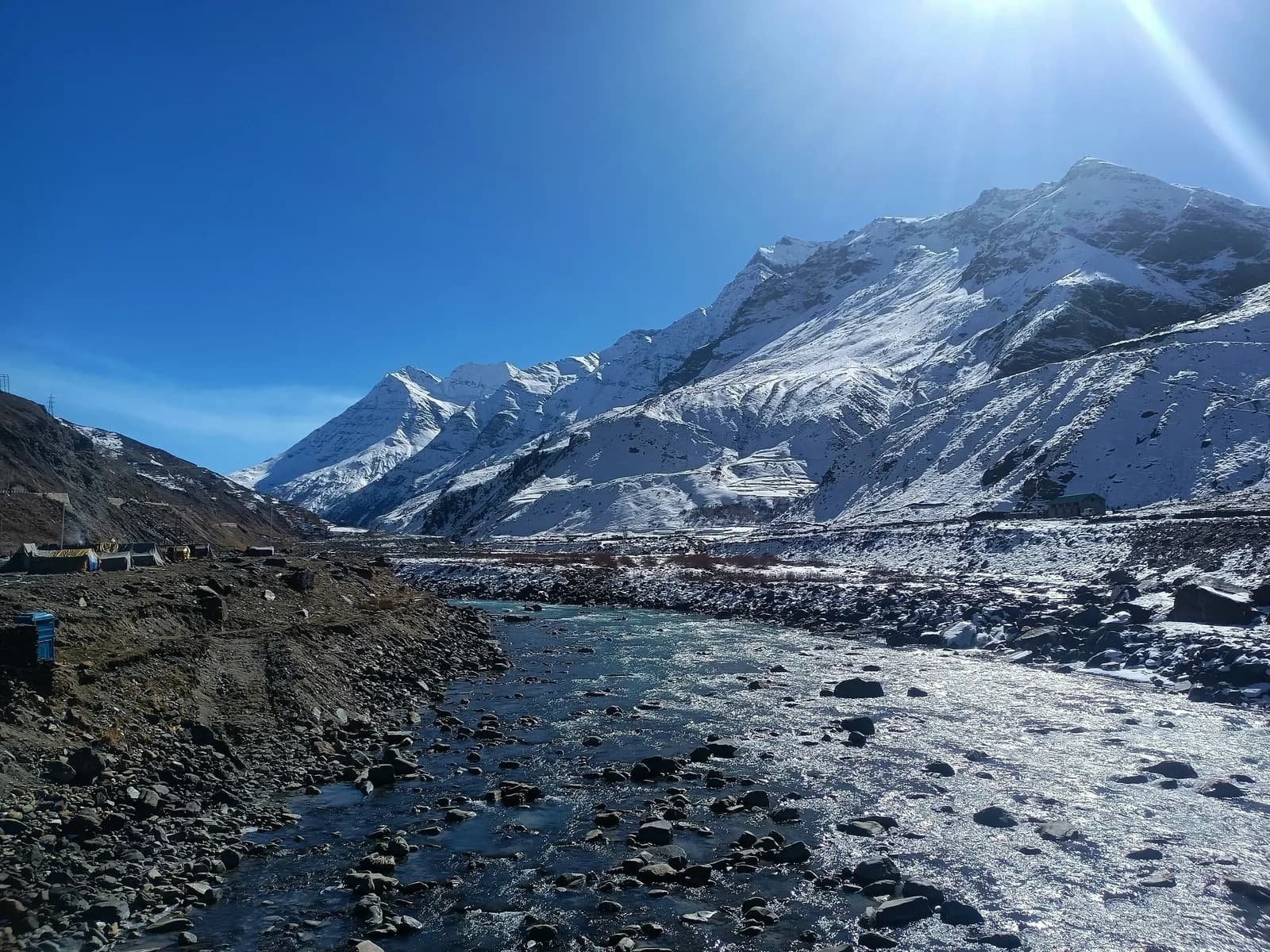
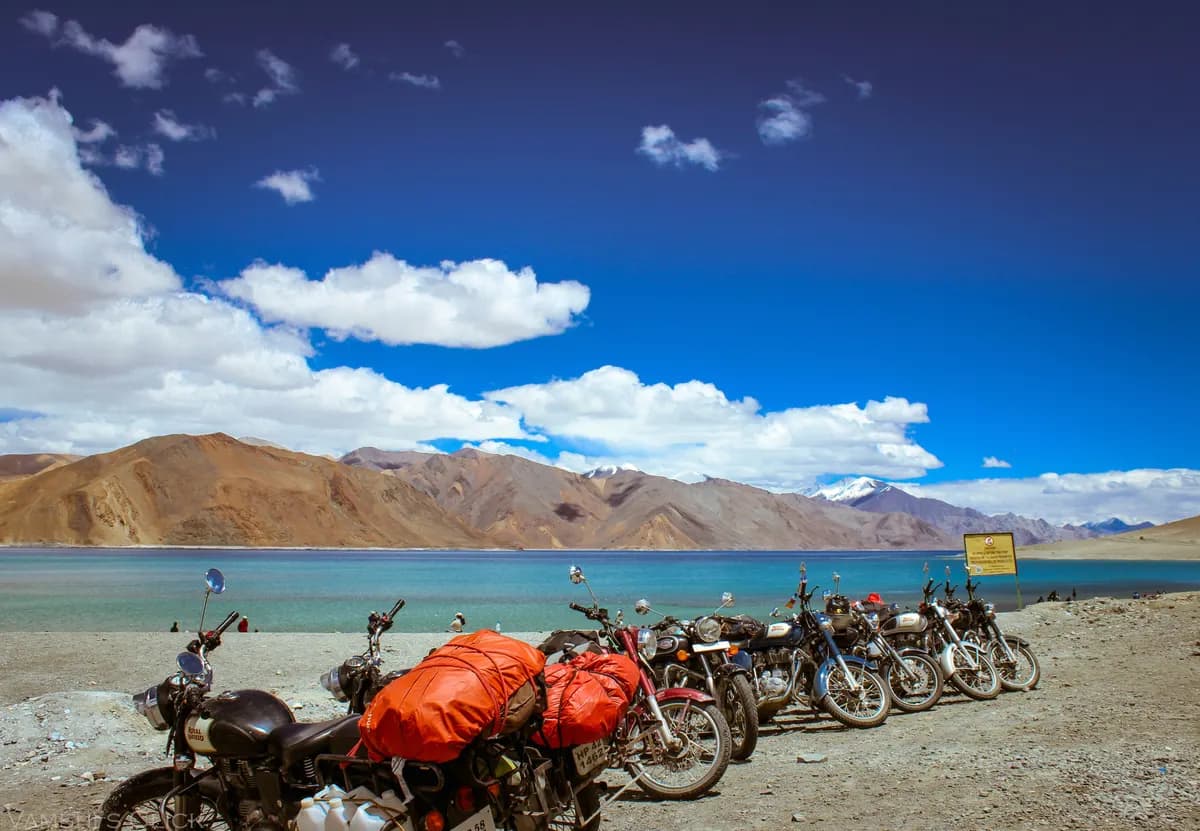
Together, Manali and Shimla make a natural pairing for a single Himachal itinerary, connected by a scenic road journey through the Kullu and Sutlej valleys. For travellers with more time, Manali also serves as the starting point for routes further into Lahaul-Spiti and, seasonally, onward to Ladakh via the Manali–Leh highway — making Himachal either a satisfying destination in its own right or the first leg of a longer Himalayan circuit. Local Himachali food and handicrafts add their own texture to a visit — Kullu shawls and caps are woven in distinctive local patterns, and dishes like siddu and dham reflect a mountain cuisine quite different from what most first-time visitors encounter elsewhere in North India. It works particularly well as a cool-season counterpoint to a Rajasthan or Golden Triangle itinerary, giving travellers a genuinely different landscape, pace and climate within the same overall trip rather than more of the heat, forts and desert scenery further south.
What to See
Getting There
By Air
Bhuntar Airport (KUU), near Kullu, is the closest airport to Manali, with limited seasonal flights from Delhi. Many travellers instead fly into Chandigarh and continue by road.
By Road
Chandigarh to Manali is roughly 7–8 hours by road, and Shimla is a shorter 4–5 hour drive from Chandigarh — both comfortable with a private driver and a stop along the way.
Toy Train to Shimla
The Kalka–Shimla toy train is a UNESCO-recognised heritage railway and a genuinely scenic way to arrive in Shimla, worth building into an itinerary as an experience in its own right.
What Makes This Different
Colonial-Era Hill Station Character
Shimla's Mall Road, Christ Church and timber-framed architecture reflect its history as British India's summer capital — a distinct heritage from the rest of North India.
Genuine Adventure Base
Manali is one of North India's main hubs for paragliding, river rafting on the Beas, and trekking — popular with both first-timers and experienced adventure travellers.
The UNESCO Kalka–Shimla Railway
A narrow-gauge mountain railway completed in 1903, recognised by UNESCO as a World Heritage Site — a scenic and historic way to reach Shimla.
A Cooler Summer Escape
Himachal's altitude makes it a natural warm-season counterpoint to Rajasthan and the plains, popular with travellers extending a longer India itinerary into early summer.
Gateway Toward Spiti & Ladakh
For travellers with more time, Manali is also the starting point for routes further into Lahaul-Spiti and, seasonally, on to Ladakh.
March–June and October–December
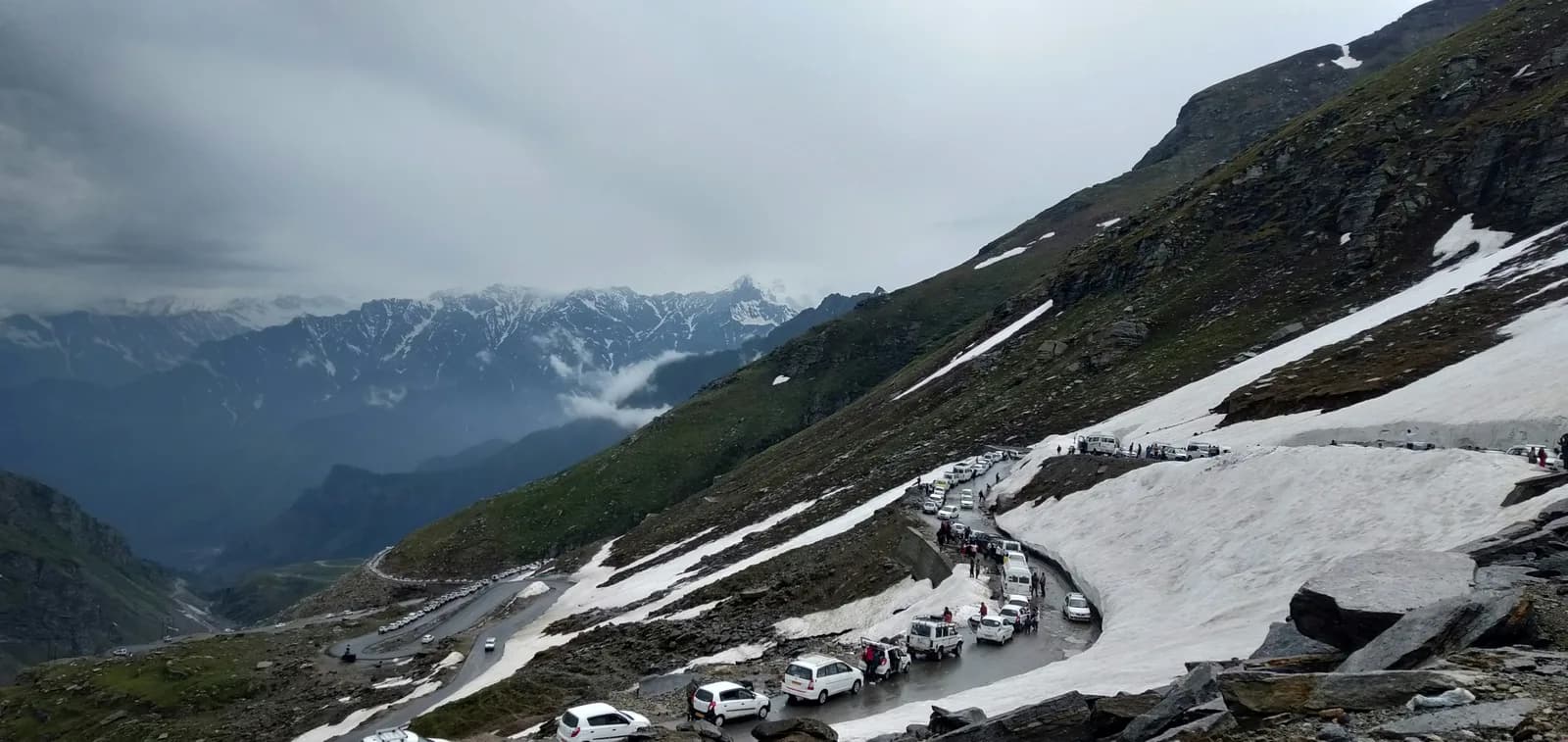
Spring through early summer brings mild, comfortable weather for both Manali and Shimla, while autumn offers clear skies after the monsoon. Winter transforms both towns under snow — beautiful, but with some higher routes and passes closed.
Nearby & Related Destinations
Getting Around by Private Car


Common Questions
What first-time visitors to Himachal (Manali & Shimla) usually want to know.
Can't find your answer? Our team responds within 2 hours on WhatsApp and within 12 hours by email.
Which is better to visit — Manali or Shimla?
They suit different trips rather than one being objectively better. Shimla offers colonial-era heritage and a gentler pace; Manali is the stronger base for adventure activities and mountain scenery. Many itineraries include both, connected by a scenic road journey.
Can we combine Himachal with a Ladakh trip?
Yes — the Manali–Leh highway connects the two directly, though it's only open roughly June through September. Outside that window, they're best visited as separate trips.
Is Himachal a good add-on to a Golden Triangle or Rajasthan itinerary?
Yes, particularly for travellers visiting in the warmer months looking for a cooler mountain contrast. It adds a genuinely different landscape and pace to a longer North India trip.
How many days should we plan?
5 to 7 days lets you properly cover both Manali and Shimla without rushing the road journey between them, plus time for at least one adventure activity or day trip.
They suit different trips rather than one being objectively better. Shimla offers colonial-era heritage and a gentler pace; Manali is the stronger base for adventure activities and mountain scenery. Many itineraries include both, connected by a scenic road journey.
Yes — the Manali–Leh highway connects the two directly, though it's only open roughly June through September. Outside that window, they're best visited as separate trips.
Yes, particularly for travellers visiting in the warmer months looking for a cooler mountain contrast. It adds a genuinely different landscape and pace to a longer North India trip.
5 to 7 days lets you properly cover both Manali and Shimla without rushing the road journey between them, plus time for at least one adventure activity or day trip.
Itinerary planned by Dhruv Poonia, Digital & Marketing Manager
Start Your Journey
Your Journey to Himachal Awaits.
When Will You Go?
Tell us how many days you have and what you'd like to see — we'll reply with a tailored itinerary and quote, usually within 24 hours.