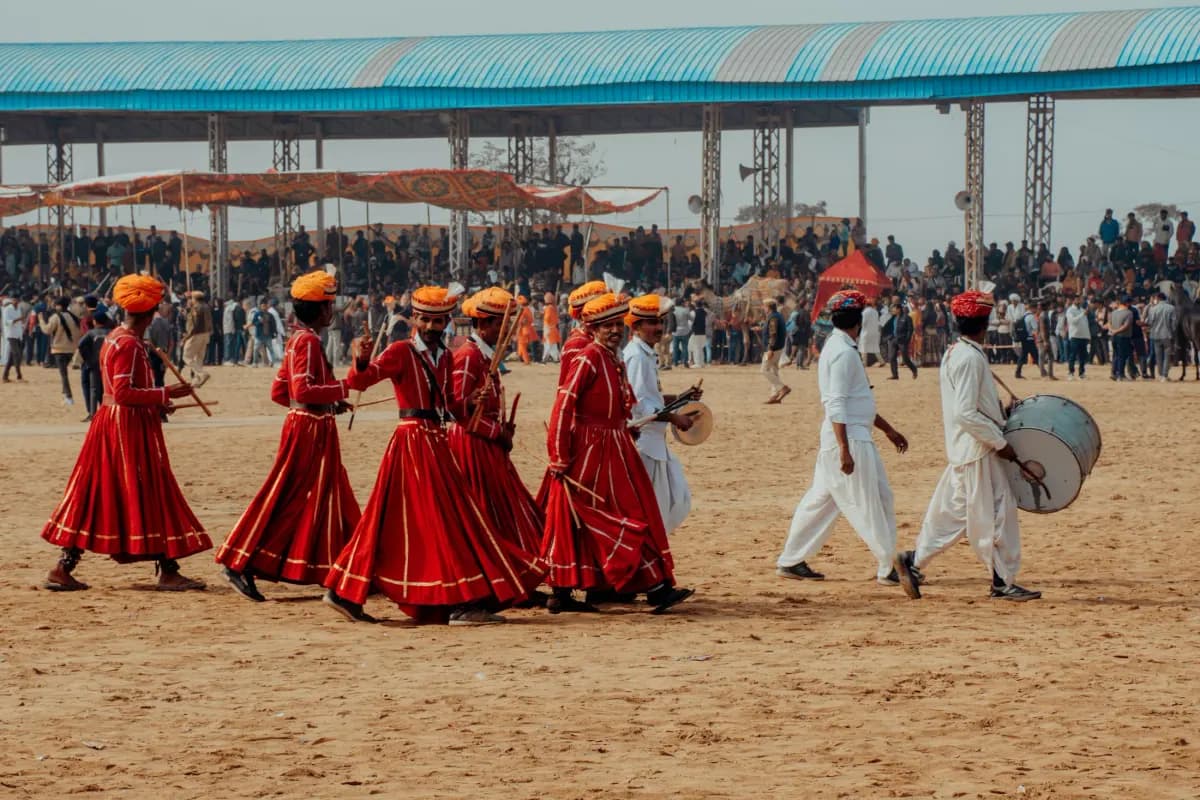
Time Your Trip Around a Real Celebration
India's festival calendar runs year-round — from the Pushkar Camel Fair to Diwali, Kumbh Mela and Kerala's Onam. Here's what to expect from each, and when to go.
Choose a Festival
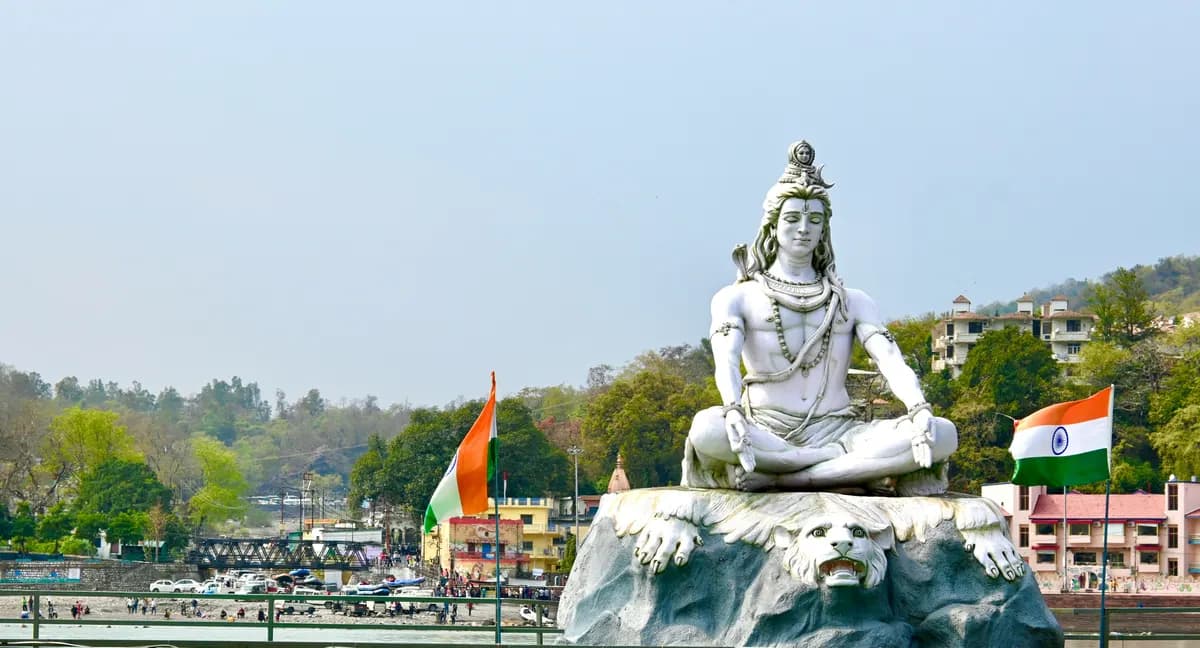
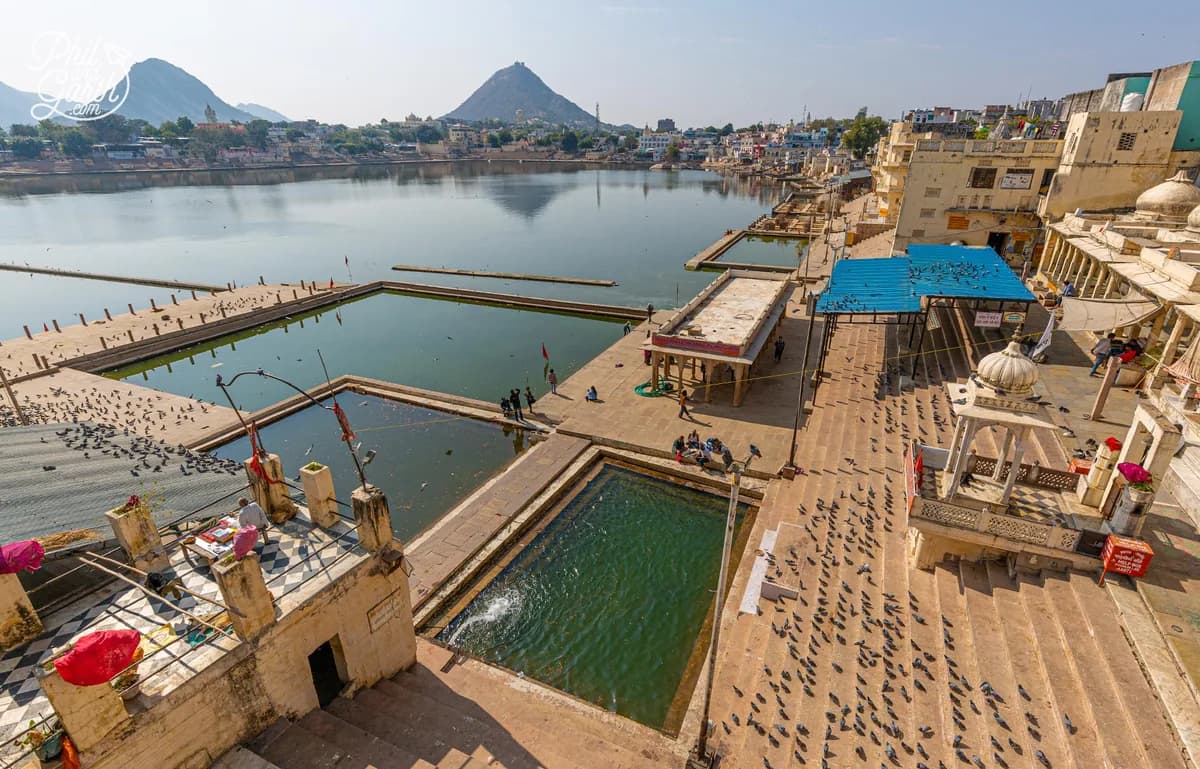
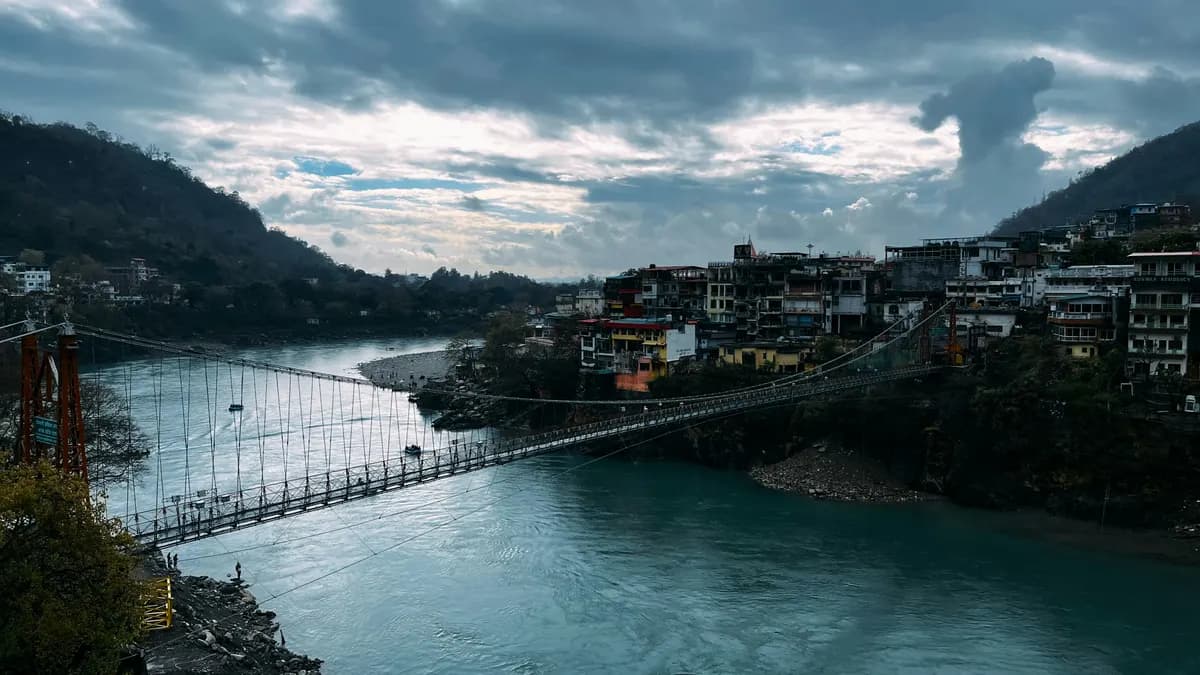
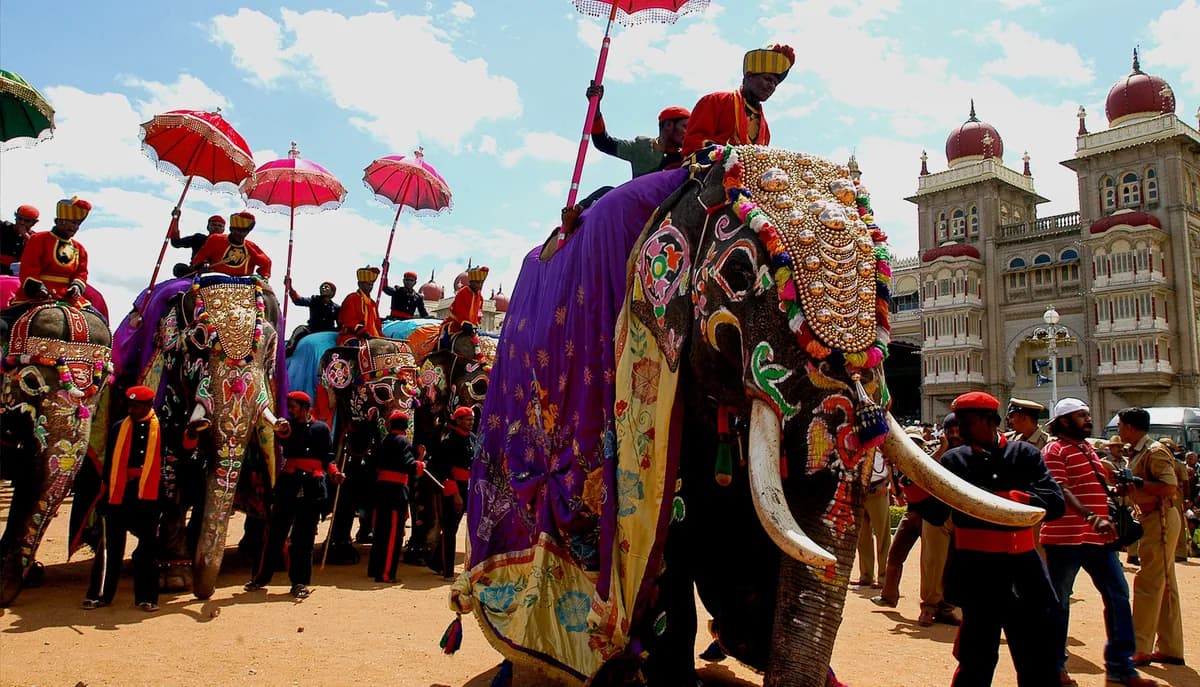
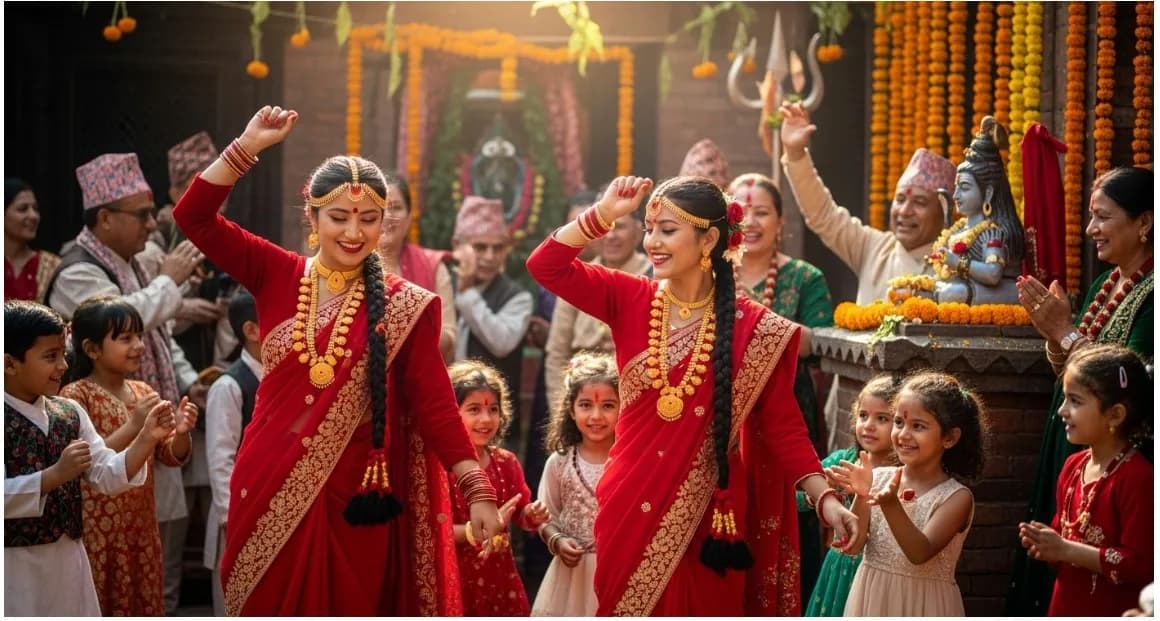
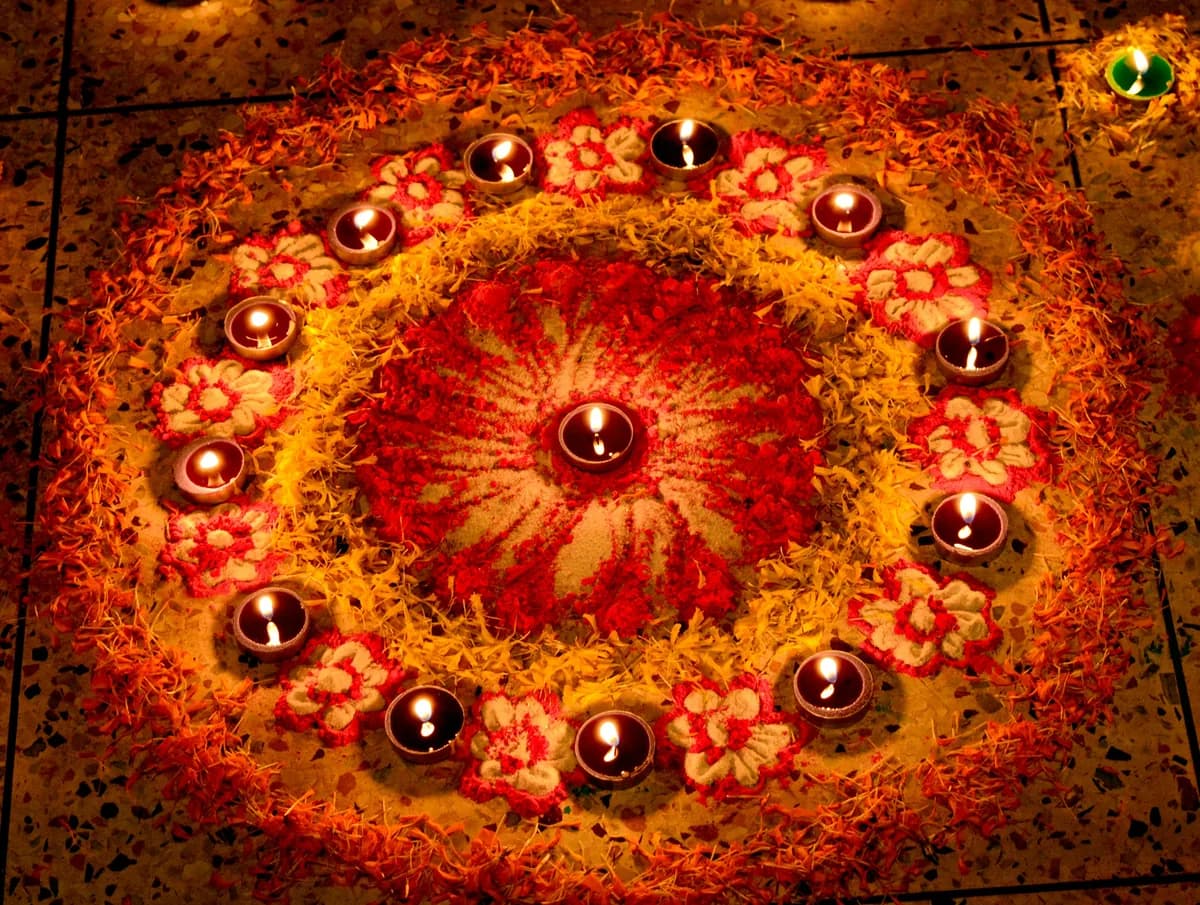
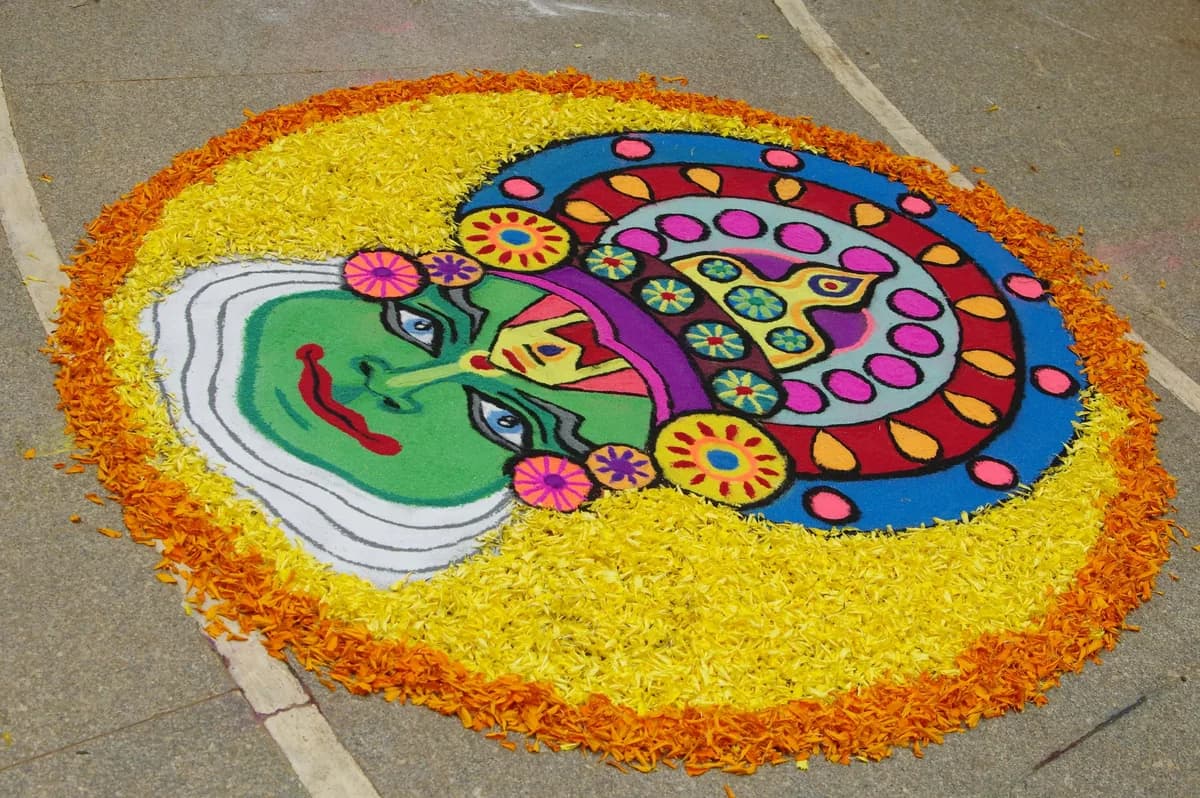
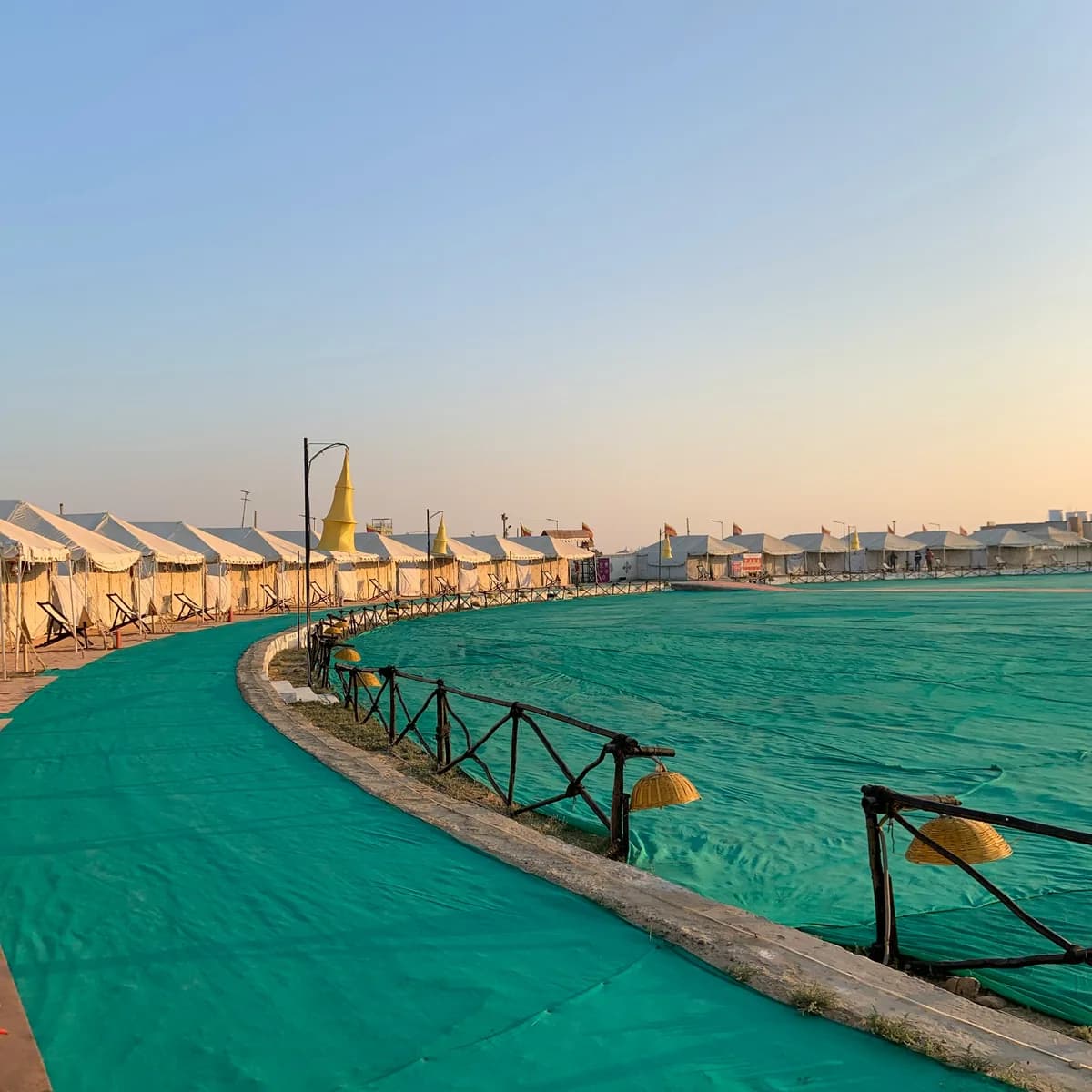
Planning a Trip Around an Indian Festival
India's festival calendar runs on several different systems at once — the Hindu lunar calendar, the Islamic calendar, the Gregorian calendar for a few fixed-date events, and Kumbh Mela's own 12-year rotation — so no single yearly pattern covers all eleven festivals above. Broadly, they fall into a few groups: religious pilgrimages tied to a specific date or cycle (Kumbh Mela, the Ajmer Urs), regional harvest and cultural festivals (Onam, Teej), desert culture and folk festivals unique to Rajasthan (the Pushkar Fair, the Camel Festival, Kutch Mahotsav), and colour or light festivals celebrated nationwide but seen most vividly in particular cities (Diwali, the Elephant Festival timed around Holi).
Timing a trip around one of these is different from a standard sightseeing itinerary in one important way: the festival date usually decides your travel window, rather than the other way around. That makes earlier planning genuinely worthwhile — accommodation near major festivals fills up months ahead, and several of these events (the Ajmer Urs, several Rajasthan festivals) also overlap naturally with our Pilgrimage Tours page, since religious pilgrimage and festival timing are closely linked for several of these occasions.
Most festival trips work best combined with a standard regional itinerary rather than built entirely around the event itself — timing a Rajasthan circuit to pass through Pushkar during the Camel Fair, for instance, rather than building a trip solely around four days in one town. For a deeper look at how each of these festivals fits into the wider year and where they overlap with other travel plans, see our full guide to India's cultural festivals. Tell us which festival interests you and roughly when, and we'll build the rest of the itinerary around it.
Helpful Travel Guides
- Top Cultural Festivals in IndiaPushkar, Diwali, Kumbh and others worth timing a trip around.Read the guide
- First Trip to India: What to Know Before You GoHow long to plan for, visas, seasons and what to book first.Read the guide
- India e-Visa Guide 2026Visa types, fees, stay limits and the e-Arrival Card.Read the guide
Festival Tours: Frequently Asked Questions
Can't find your answer? Our team responds within 2 hours on WhatsApp and within 12 hours by email.
Which Indian festival is worth planning a whole trip around?
The Pushkar Camel Fair and Kumbh Mela are the two most commonly requested — both are genuinely unlike anything else on a standard itinerary, and both are worth building your travel dates around rather than hoping to catch by chance. Diwali is a close third, especially seen in Varanasi or Amritsar.
How far in advance should I book a festival-timed trip?
Earlier than a standard sightseeing trip — accommodation near major festivals (Pushkar Fair, Kumbh Mela, Diwali in popular cities) fills up months ahead, and prices climb as dates approach. 3 to 6 months out is a safe window for the larger, more popular festivals.
Do festival dates change every year?
Most do, since many follow the Hindu lunar calendar (Diwali, Teej, Onam) or the Islamic calendar (the Ajmer Urs) rather than a fixed Gregorian date, and Kumbh Mela follows its own 12-year rotation between four host cities. Check the specific festival's page for the current year's dates before booking flights.
Can I combine a festival with a regular sightseeing itinerary?
Yes — this is how most of our festival-timed trips work in practice. Rather than building a trip entirely around one event, we typically time a standard Rajasthan, Golden Triangle or regional circuit so it passes through the right city on the right date, adding the festival as a highlight rather than the whole trip.
Are these festivals crowded, and is that a problem for foreign visitors?
Yes, genuinely crowded — that's part of what makes them worth seeing. Foreign visitors are welcomed at every festival on this page, though we'd recommend a guide for the larger events (Kumbh Mela especially) simply to navigate the scale of the crowds comfortably rather than for any safety concern specifically.
The Pushkar Camel Fair and Kumbh Mela are the two most commonly requested — both are genuinely unlike anything else on a standard itinerary, and both are worth building your travel dates around rather than hoping to catch by chance. Diwali is a close third, especially seen in Varanasi or Amritsar.
Earlier than a standard sightseeing trip — accommodation near major festivals (Pushkar Fair, Kumbh Mela, Diwali in popular cities) fills up months ahead, and prices climb as dates approach. 3 to 6 months out is a safe window for the larger, more popular festivals.
Most do, since many follow the Hindu lunar calendar (Diwali, Teej, Onam) or the Islamic calendar (the Ajmer Urs) rather than a fixed Gregorian date, and Kumbh Mela follows its own 12-year rotation between four host cities. Check the specific festival's page for the current year's dates before booking flights.
Yes — this is how most of our festival-timed trips work in practice. Rather than building a trip entirely around one event, we typically time a standard Rajasthan, Golden Triangle or regional circuit so it passes through the right city on the right date, adding the festival as a highlight rather than the whole trip.
Yes, genuinely crowded — that's part of what makes them worth seeing. Foreign visitors are welcomed at every festival on this page, though we'd recommend a guide for the larger events (Kumbh Mela especially) simply to navigate the scale of the crowds comfortably rather than for any safety concern specifically.
Start Your Journey
Your Festival Trip Awaits.
Which Will You Choose?
Tell us which festival interests you and your travel window — we'll build an itinerary around it, usually with a reply within 24 hours.