The Urs Festival, Ajmer
Six days of devotional Sufi music and pilgrimage at Ajmer Sharif Dargah, marking the anniversary of Khwaja Moinuddin Chishti — open to visitors of all faiths.
The Urs Festival, Ajmer
The Urs at Ajmer Sharif Dargah marks the anniversary of the death of Khwaja Moinuddin Chishti, the 12th-century Sufi saint whose shrine has drawn pilgrims for over 800 years, making it one of the most significant Sufi pilgrimage sites anywhere in South Asia. In Sufi tradition, a saint's death anniversary is understood as a union with the divine rather than simply a day of mourning, which gives the Urs its genuinely celebratory rather than solemn character — six days of devotional gathering, music and prayer rather than a quiet memorial.
The centrepiece of each night is qawwali, a devotional form of Sufi music performed live at the shrine, often continuing well into the night with growing intensity as musicians and audience alike become caught up in the performance. What distinguishes the Urs from many religious festivals is how genuinely open it is — the Dargah and the Urs specifically draw visitors and pilgrims of multiple faiths, reflecting the shrine's long history as a site of shared devotion across religious lines rather than a strictly single-faith gathering.
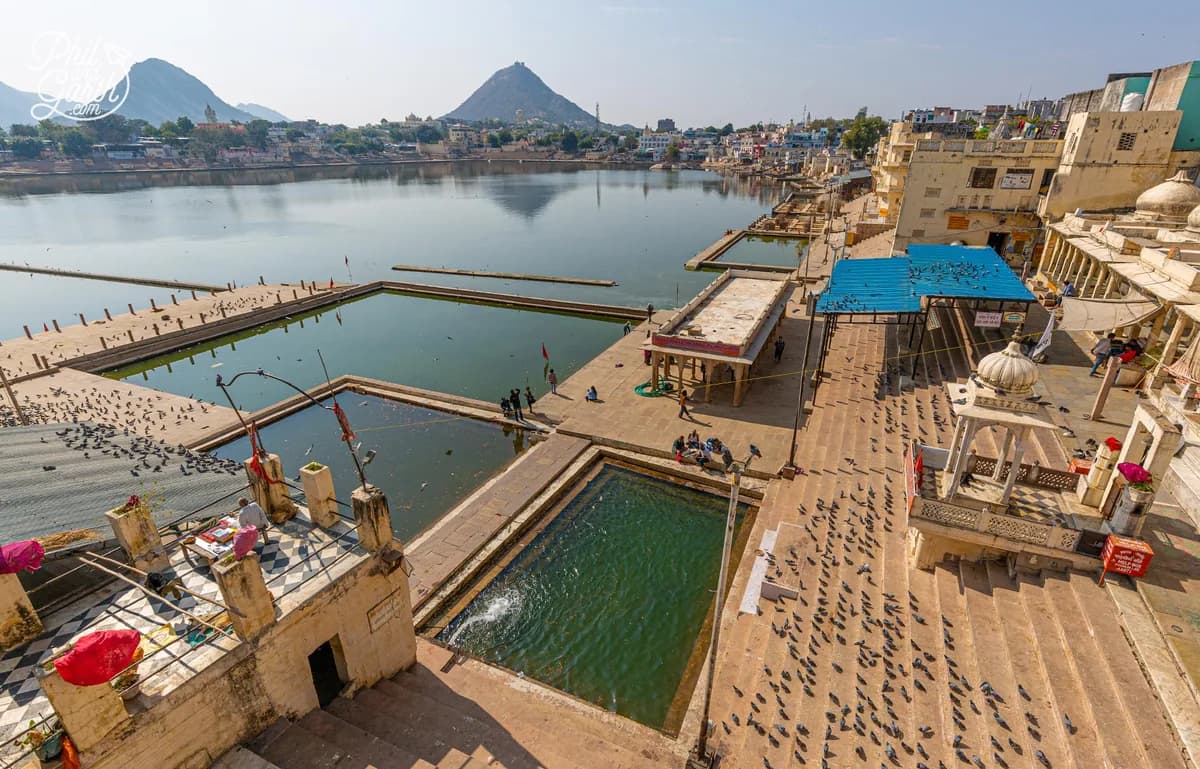
Ajmer itself sits a short drive from Pushkar, one of Rajasthan's most visited pilgrimage towns in its own right, making the two easy to combine on a single itinerary regardless of whether your visit is timed to the Urs specifically. Outside the festival period, Ajmer Sharif Dargah remains active as a pilgrimage site year-round, so a visit any time of year still offers a genuine sense of its significance, even without the added intensity of the Urs itself.
Where
Ajmer, Rajasthan
When
6 days, dates shift yearly on the Islamic lunar calendar
What to Expect
Qawwali Through the Night
Devotional Sufi music performances run through the night at the shrine, among the most powerful live musical traditions in India.
A Gathering Beyond Religious Lines
The Urs draws pilgrims and visitors of multiple faiths, reflecting the shrine's long history as a site of shared devotion.
The Dargah Itself
Ajmer Sharif Dargah is one of the most significant Sufi shrines in South Asia, active as a pilgrimage site year-round, not just during the Urs.
Close to Pushkar
Ajmer sits a short drive from Pushkar, making the two easy to combine on a single Rajasthan itinerary.
Related Destinations
Other Experiences
Helpful Travel Guides
- Top Cultural Festivals in IndiaPushkar, Diwali, Kumbh and others worth timing a trip around.Read the guide
- First Trip to India: What to Know Before You GoHow long to plan for, visas, seasons and what to book first.Read the guide
- India e-Visa Guide 2026Visa types, fees, stay limits and the e-Arrival Card.Read the guide
Common Questions
Everything international travellers ask before planning a trip around this festival.
Can't find your answer? Our team responds within 2 hours on WhatsApp and within 12 hours by email.
Can non-Muslim visitors attend the Urs?
Yes — the Dargah and the Urs festival welcome visitors of all faiths, and it's common for people of different religious backgrounds to attend and pay respects.
How many days does the Urs run?
Six days, with the most significant rituals concentrated around the actual anniversary date, which shifts yearly on the Islamic lunar calendar.
Is this easy to combine with a Rajasthan trip?
Yes — Ajmer is close to both Pushkar and Jaipur, so it fits naturally into a wider Rajasthan itinerary if your dates align with the festival.
What should visitors wear or know about visiting the Dargah?
Modest dress covering shoulders and knees is expected, and a head covering is customary for both men and women inside the shrine itself — we can brief you on specifics when planning your visit.
Is Ajmer worth visiting outside the Urs period?
Yes — the Dargah is active as a pilgrimage site throughout the year, so a visit any time still offers a genuine sense of its significance, without the added crowds and intensity of the festival period specifically.
Yes — the Dargah and the Urs festival welcome visitors of all faiths, and it's common for people of different religious backgrounds to attend and pay respects.
Six days, with the most significant rituals concentrated around the actual anniversary date, which shifts yearly on the Islamic lunar calendar.
Yes — Ajmer is close to both Pushkar and Jaipur, so it fits naturally into a wider Rajasthan itinerary if your dates align with the festival.
Modest dress covering shoulders and knees is expected, and a head covering is customary for both men and women inside the shrine itself — we can brief you on specifics when planning your visit.
Yes — the Dargah is active as a pilgrimage site throughout the year, so a visit any time still offers a genuine sense of its significance, without the added crowds and intensity of the festival period specifically.
Start Your Journey
Time Your Trip Around the Urs Festival.
When Will You Go?
Tell us your travel window and we'll build an itinerary around the festival, usually with a reply within 24 hours.