Best Time to Visit India in March
The last comfortable weeks in the plains before the heat builds, Holi's colour festival, and the start of the Himalayan foothill season.
North India Temps
14–32°C (Delhi, Rajasthan)
Himachal Temps
8–20°C
Crowds
Moderate, brief spike around Holi
Rainfall
Low, rising slightly in the south
What March Is Like
March is a transitional month, and where you go matters more than usual. Early March in Rajasthan, Delhi and Agra still offers pleasant, comfortable days, comparable to a mild February, but the heat climbs noticeably as the month goes on — by late March, midday temperatures in the desert can already push into the low thirties Celsius. It's still a workable month for the Golden Triangle, especially in the first half, but travellers sensitive to heat should lean toward early departures and plan indoor time during the hottest hours of the afternoon.
The shift happens gradually rather than all at once, which is worth understanding when picking your exact dates within the month. The first ten days of March often feel indistinguishable from late February — mornings still cool enough for a light jacket, afternoons warm but manageable. By the third week, the transformation is unmistakable, with afternoon temperatures in Jaipur and Agra regularly exceeding 30°C and the desert sun taking on real intensity by midday. Travellers booking a March trip do well to request the earliest dates the month allows if comfort is a priority, or to accept the trade-off if Holi's timing is the deciding factor instead.
March is also when Holi, India's exuberant festival of colour, usually falls — a genuinely unmissable experience for travellers happy to get thoroughly covered in coloured powder, particularly in Rajasthan and around Mathura and Vrindavan, where celebrations run for several days and are considered among the most vivid in the country. The festival marks the arrival of spring and the triumph of good over evil in Hindu tradition, and while the exact date shifts each year with the lunar calendar, it reliably falls somewhere in March, making this the one month where checking the specific festival date before booking genuinely matters.
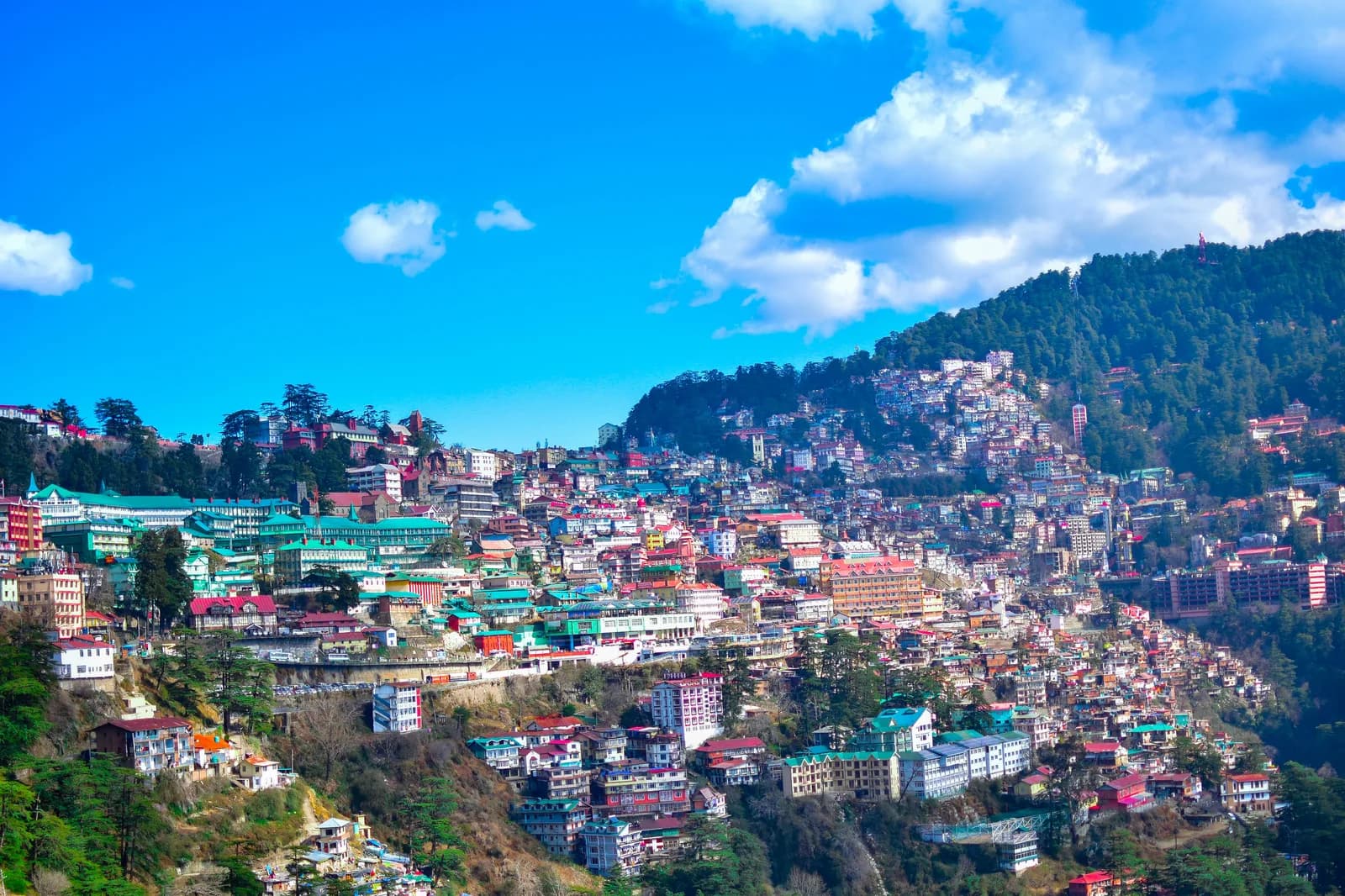
Meanwhile, the Himalayan foothills — Himachal, Rishikesh & Haridwar and the lower hill stations — are just waking up from winter, with clearing mountain views and the first hints of spring, making March a good month to start shifting itineraries northward and upward as the plains begin to warm. Orchards in Himachal's valleys begin showing their first blossoms toward the end of the month, a preview of April's fuller bloom, and the crowds that fill these hill stations from May onward haven't yet arrived, giving March a genuinely quieter, more contemplative character in the mountains.
Wildlife safaris continue to improve through March as the dry season deepens further. Ranthambore and Bandhavgarh often see excellent sighting conditions this month, as rising heat drives animals toward the diminishing water sources with increasing predictability — March sits comfortably within the strengthening trend that will peak in April and May, without yet requiring travellers to endure the most extreme midday heat those later months bring to an open safari jeep.
South India, by contrast, is moving in the opposite direction from the Himalayan foothills. Kerala and Tamil Nadu Beaches are warming up and becoming increasingly humid this month, past the comfortable dry stretch of January and February. It's still workable, particularly early in the month, but this is the point in the calendar where South India starts to lose its edge as the more comfortable half of a combined itinerary — travellers prioritising coastal comfort increasingly look toward the September–February window instead once March arrives.
For travellers whose trip is anchored around the Golden Triangle specifically, March poses a genuine scheduling question worth thinking through in advance: prioritise comfort by booking early in the month, or prioritise Holi by booking around its specific date even if that means warmer afternoons. Neither answer is wrong, but they lead to meaningfully different trips, and it's worth deciding which matters more before locking in dates rather than discovering the trade-off after arrival.
Delhi in March follows a similar arc to Rajasthan, moving from comfortably mild at the start of the month to genuinely warm by the close of it. The city's parks and gardens, particularly around Lodhi Garden and Humayun's Tomb, are especially pleasant in the first two weeks, before the shade of a monument's courtyard becomes the more appealing option later in the month. Sightseeing days that mix indoor museum visits with outdoor monument walks tend to work best for late-March Delhi itineraries specifically.
For travellers considering a longer, multi-week trip that spans the full transition, March offers a genuinely interesting structural option: begin in Rajasthan while it's still comfortable, then move north into Himachal or Rishikesh as the plains warm up, effectively chasing spring northward as it advances up the subcontinent. This kind of itinerary uses March's transitional character as a feature rather than a limitation, and it's a pattern several of our returning clients have specifically requested once they understood how the month actually behaves.
Gangaur, a Rajasthani festival dedicated to the goddess Gauri and celebrated especially by women, typically falls within a few weeks of Holi and adds a further, quieter layer of colour to a March Rajasthan itinerary — processions of decorated idols through the streets of Jaipur and Udaipur, with traditional dress and considerably less powder-throwing chaos than Holi itself, making it a good complementary experience for travellers who want festival atmosphere without Holi's full intensity.
Where to Go in March
Rajasthan & the Golden Triangle
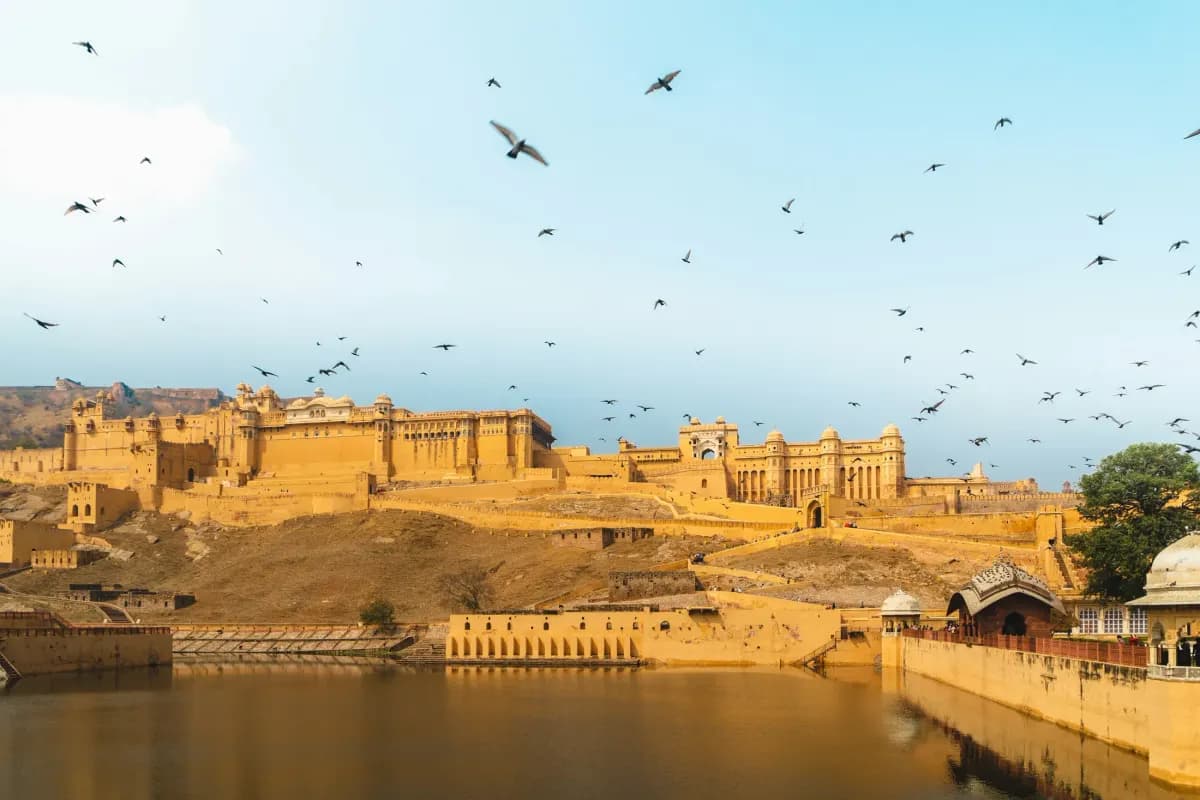
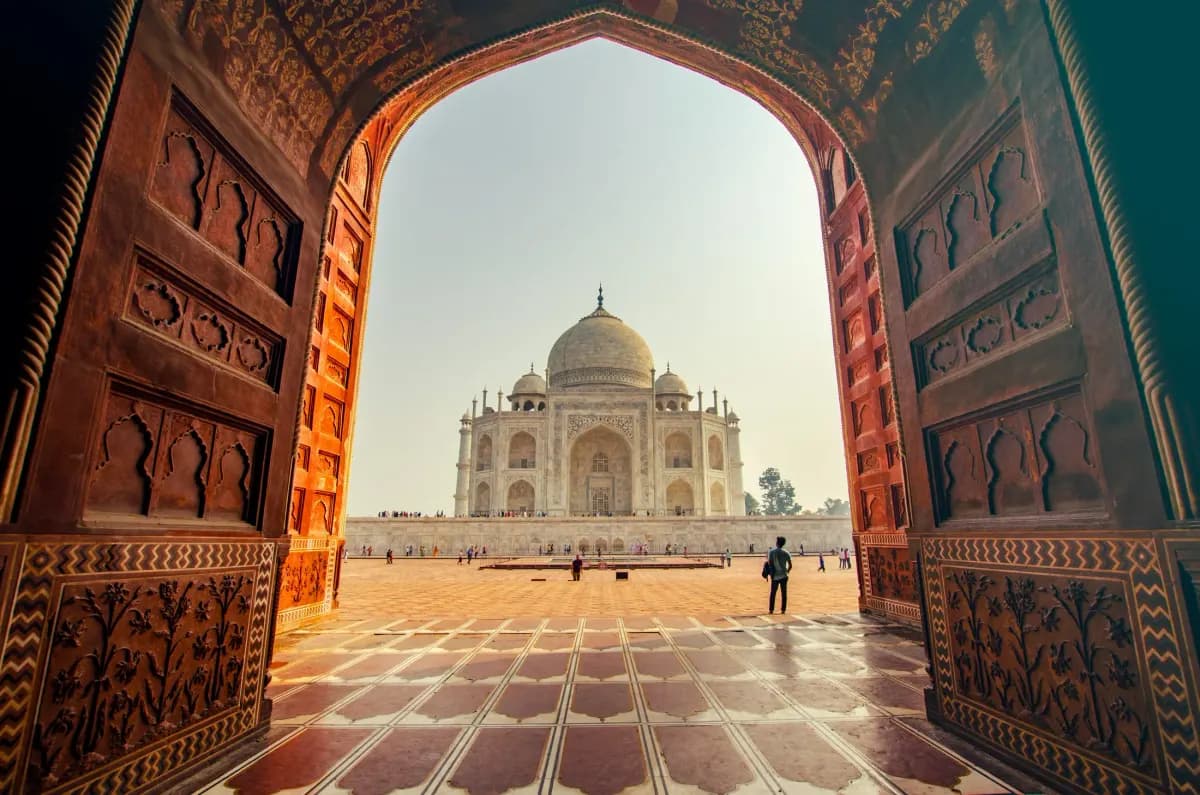
Comfortable early in the month, warming fast by late March — front-load outdoor sightseeing where possible, and consider requesting hotels with good air conditioning if travelling in the back half of the month. Jaipur and Agra both still work well through the first two to three weeks.
Himachal & Rishikesh
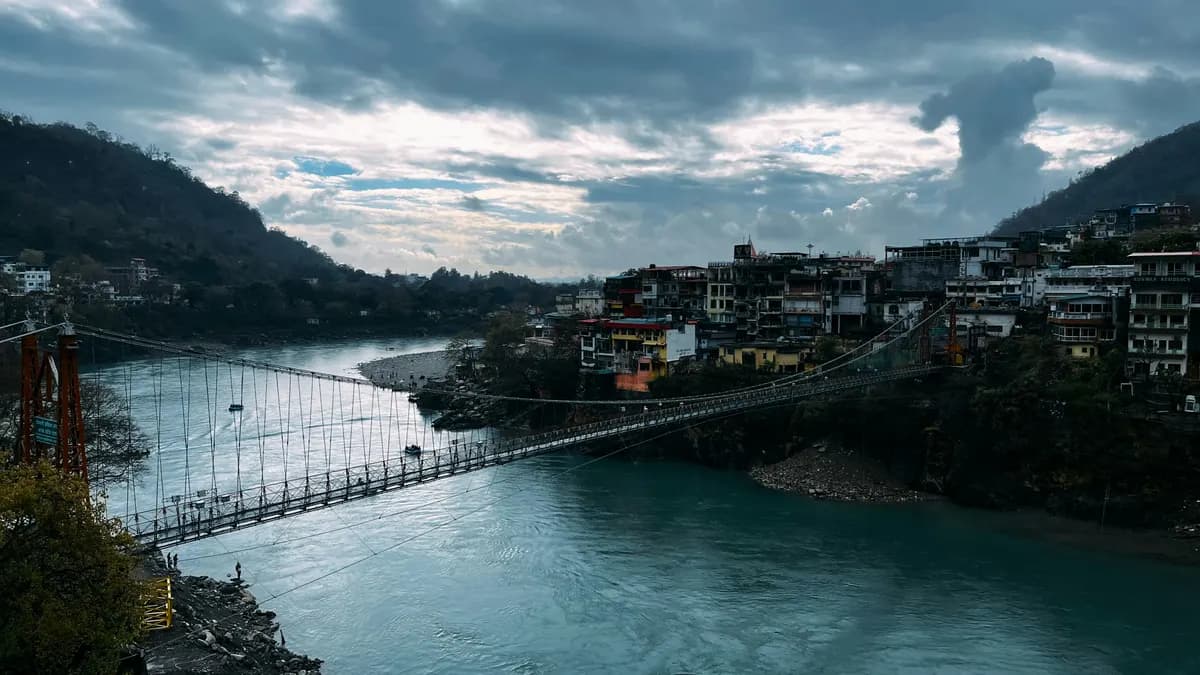
Spring is arriving — clearing skies, the first blossoming orchards by month's end, and a good window before the summer rush fills Himachal's hill stations. Rishikesh & Haridwar offers a similarly pleasant, less crowded riverside escape this month.
Kerala & South India
Warming up and becoming humid; still workable early in the month but past its most comfortable window. Travellers prioritising Kerala specifically increasingly look toward the cooler months on either side of the year instead.
Wildlife Parks
Often excellent — rising heat drives animals toward water sources, improving sighting odds at Ranthambore and Bandhavgarh, part of a strengthening trend that will continue through April and May.
Himalayas & Ladakh
Still largely snow-closed at higher altitudes; Leh & Ladakh is not yet accessible for most travellers, with the high passes typically remaining shut until at least late April.
Mathura & Vrindavan
Home to some of the most vivid and prolonged Holi celebrations in the country, drawing pilgrims and travellers specifically for the festival — worth a dedicated stop if Holi's timing lines up with your trip, with celebrations here often running for a full week rather than a single day.
Delhi Parks & Gardens
Lodhi Garden and the grounds around Humayun's Tomb are especially pleasant in early March, with mild temperatures and blooming flowerbeds — a good addition to a Delhi itinerary before the shade of a monument's courtyard becomes the more appealing option later in the month.
Why Come to India in March
Holi's Festival of Colour
One of India's most exuberant celebrations, especially vivid around Mathura and Vrindavan — a genuine once-in-a-trip highlight for travellers whose dates align.
The Last Comfortable Weeks
Early March still carries much of February's comfort in Rajasthan and Delhi, before the real heat of April and May takes hold.
Himalayan Foothills Waking Up
Himachal and Rishikesh clear into spring this month, with the first blossoms appearing and none of the summer crowds yet.
Strong Wildlife Sighting Odds
Ranthambore and Bandhavgarh both benefit from rising heat concentrating animals around shrinking water sources, ahead of the true peak in April–May.
What's Happening in March
Holi (date varies, usually March)
India's festival of colour — days of powder-throwing celebrations, especially vivid in Rajasthan and around Mathura and Vrindavan, marking the arrival of spring and the triumph of good over evil in Hindu tradition.
Jaipur Elephant Festival
A colourful procession and celebration held around Holi, featuring decorated elephants parading through Jaipur — worth combining with a Holi visit if your Rajasthan leg overlaps with the festival period.
Gangaur (March–April, Rajasthan)
A Rajasthani festival honouring the goddess Gauri, celebrated especially by women with processions, traditional dress and decorated idols carried through the streets of Jaipur and Udaipur.
Packing for March
March demands genuine flexibility in what you pack, since a single trip can span comfortable spring mornings in the mountains and building desert heat in the plains, sometimes within the same week if your itinerary moves quickly between regions. Travellers celebrating Holi specifically should plan for two distinct wardrobes within the same suitcase — one set of clothes they're happy to sacrifice to the festival, and their normal travel clothing for every other day of the trip.
- Light layers for Rajasthan's warming afternoons, plus a jacket for cooler mornings early in the month
- White or light-coloured, older clothing you don't mind staining if celebrating Holi
- A warmer layer if your route includes Himachal or Rishikesh's cooler mountain air
- Sunscreen and a hat — the sun strengthens noticeably through March
- Comfortable, breathable walking shoes for extended fort and temple sightseeing
- A reusable bag for washing Holi colours out of clothing before they set
March rewards travellers who plan around its transitional character rather than fighting it — these are the destinations that make the most of either half of the month's split personality, whether that means catching Rajasthan before the heat fully arrives or heading north into the Himalayan foothills as they wake up from winter.
Best Destinations for March
Tours to Book for March
March suits itineraries that either front-load the plains and finish in the cooler hills, or specifically target the classic Golden Triangle early in the month before the heat builds — both are genuinely workable, and the choice mostly comes down to whether Holi's timing matters to your trip more than optimising purely for comfort throughout.
Popular Packages This Month
How March Compares
March sits at the hinge point of the travel calendar, and the comparison that matters most is with itself — early March versus late March, rather than March versus another month entirely. Compared to February, the first half of March is nearly as comfortable, while the second half diverges noticeably, with real heat setting into Rajasthan and Delhi. Compared to April, March is meaningfully cooler and more forgiving for a plains-based itinerary, making it the better choice for travellers who want Golden Triangle sightseeing without April's building intensity. For travellers specifically chasing Holi, no other month is a substitute — the festival's exact date shifts with the lunar calendar but always falls in March, so this is simply the month to book if experiencing it matters more than optimising for temperature alone. Looking toward the Himalayas, March also marks a genuine turning point compared to the depths of winter in January and February — while Ladakh remains firmly closed, Himachal and the lower hill stations shift from cold and largely dormant to genuinely pleasant, making March the earliest month worth considering a Himalayan foothills extension at all.
Common Questions
What travellers usually ask before planning a trip around March.
Can't find your answer? Our team responds within 2 hours on WhatsApp and within 12 hours by email.
Is March too hot for a Golden Triangle trip?
Early March is usually still comfortable; by late March, midday heat in Rajasthan and Agra can already feel intense. If your dates are flexible, aim for the first half of the month.
Where does Holi happen, and is it worth planning around?
Holi is celebrated across most of North India, with particularly famous, days-long celebrations around Mathura and Vrindavan, and lively festivities across Rajasthan. It's a genuine highlight for travellers happy to get covered in colour — just expect closures and crowds around the festival days themselves.
Is March a good time for the Himalayan foothills?
Yes — Himachal and Rishikesh are just entering spring, with clearing views and blossoming orchards, ahead of the busier summer season from April onward.
Can we still visit Ladakh in March?
No — Ladakh's high passes remain snow-closed until at least late April or May most years, so March is still too early for that region.
What should we wear to celebrate Holi?
Older, light-coloured clothing you're happy to have permanently stained — the colours used are genuinely difficult to fully remove, and most travellers treat their Holi outfit as disposable afterward.
Is early March or late March better for wildlife safaris?
Late March generally edges out early March for sighting odds, since rising heat continues to concentrate animals around shrinking water sources, though the difference becomes much more pronounced by April and May.
How exactly does Holi's date get determined each year?
It follows the Hindu lunar calendar and falls on the full moon of the month of Phalguna, which typically lands somewhere in March — we confirm the exact date for your travel year when planning a Holi-timed itinerary.
Should we avoid South India entirely in March?
Not entirely, but it's past its most comfortable window — early March is still workable, though humidity is clearly building, and most travellers prioritising Kerala specifically choose a different month if their dates are flexible.
What is Gangaur, and is it worth experiencing alongside Holi?
Gangaur is a Rajasthani festival honouring the goddess Gauri, typically falling a few weeks after Holi, with processions and traditional dress rather than colour-throwing. It's a good complementary experience if your dates allow seeing both.
Is Delhi worth a full itinerary day in late March?
Yes, though it's worth mixing outdoor monument time with shaded or indoor stops like museums, since afternoon heat by late March makes a fully outdoor day noticeably more tiring than it would be a few weeks earlier.
Early March is usually still comfortable; by late March, midday heat in Rajasthan and Agra can already feel intense. If your dates are flexible, aim for the first half of the month.
Holi is celebrated across most of North India, with particularly famous, days-long celebrations around Mathura and Vrindavan, and lively festivities across Rajasthan. It's a genuine highlight for travellers happy to get covered in colour — just expect closures and crowds around the festival days themselves.
Yes — Himachal and Rishikesh are just entering spring, with clearing views and blossoming orchards, ahead of the busier summer season from April onward.
No — Ladakh's high passes remain snow-closed until at least late April or May most years, so March is still too early for that region.
Older, light-coloured clothing you're happy to have permanently stained — the colours used are genuinely difficult to fully remove, and most travellers treat their Holi outfit as disposable afterward.
Late March generally edges out early March for sighting odds, since rising heat continues to concentrate animals around shrinking water sources, though the difference becomes much more pronounced by April and May.
It follows the Hindu lunar calendar and falls on the full moon of the month of Phalguna, which typically lands somewhere in March — we confirm the exact date for your travel year when planning a Holi-timed itinerary.
Not entirely, but it's past its most comfortable window — early March is still workable, though humidity is clearly building, and most travellers prioritising Kerala specifically choose a different month if their dates are flexible.
Gangaur is a Rajasthani festival honouring the goddess Gauri, typically falling a few weeks after Holi, with processions and traditional dress rather than colour-throwing. It's a good complementary experience if your dates allow seeing both.
Yes, though it's worth mixing outdoor monument time with shaded or indoor stops like museums, since afternoon heat by late March makes a fully outdoor day noticeably more tiring than it would be a few weeks earlier.
Start Your Journey
Your March Trip Awaits.
Where Will You Go?
Tell us your travel dates and where you'd like to go — we'll build an itinerary around the right regions for that time of year, usually with a reply within 24 hours.