Best Time to Visit India in February
Often the best all-round month of the year — Rajasthan is still cool and dry, and the south is warming into its own sweet spot.
North India Temps
8–24°C (Delhi, Rajasthan)
South India Temps
22–32°C (Kerala, Tamil Nadu)
Crowds
Peak, easing toward month's end
Rainfall
Minimal nationwide
What February Is Like
If there's a single month with the fewest weak spots anywhere in the country, it's February. Rajasthan, Delhi and Agra hold on to most of January's cool, dry, low-haze conditions, with daytime temperatures climbing a few degrees into the low-to-mid twenties Celsius — comfortable rather than cold. Morning fog in Delhi becomes noticeably less common than in January, which also makes flight schedules more reliable, and the sense of a slow thaw across the whole country is genuinely tangible by the second half of the month.
The improvement over January is subtle but real. Nights in Jaisalmer rarely drop as low as they did a few weeks earlier, and by late February the coldest mornings of the year are firmly behind the desert. This makes February a favourite among travellers who love January's clarity but would rather not pack quite as heavy a jacket, or who found the idea of near-freezing desert mornings a step too far. The trade-off, such as it is, comes only in the form of continued high demand — February remains squarely inside peak season, and the calmer weather doesn't translate into calmer hotel availability.
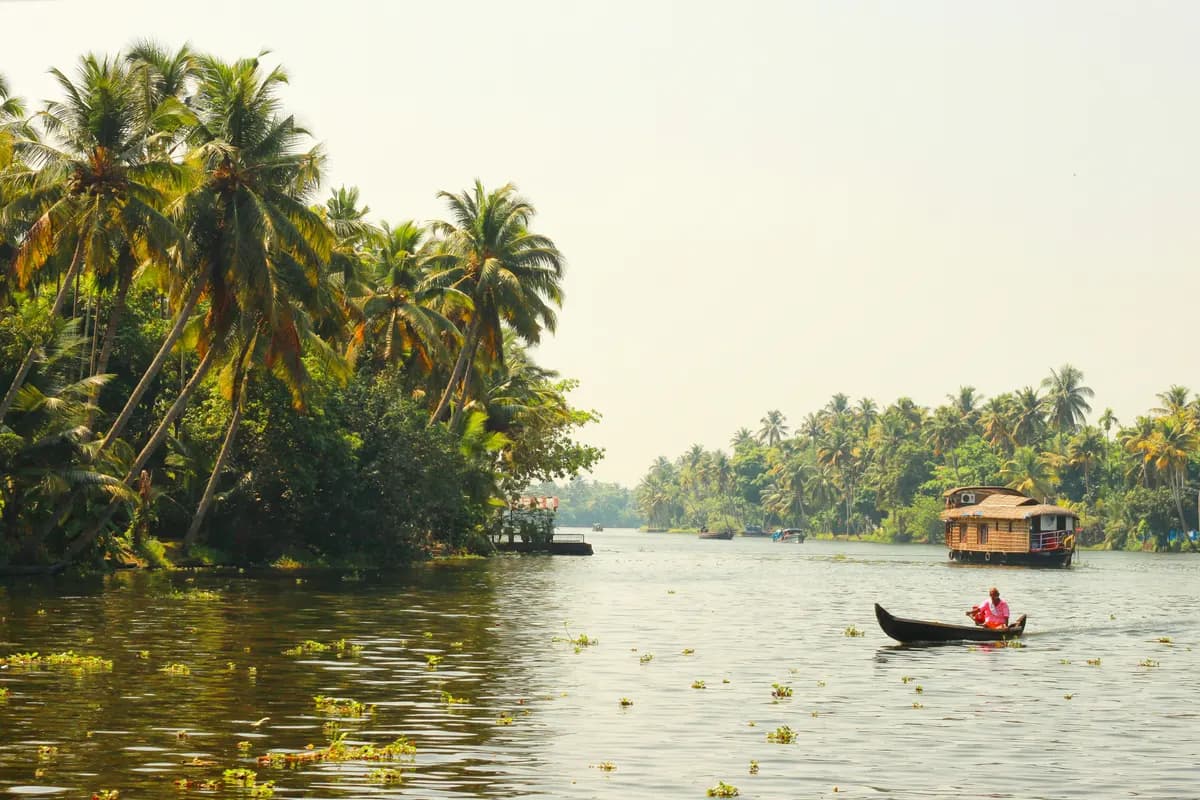
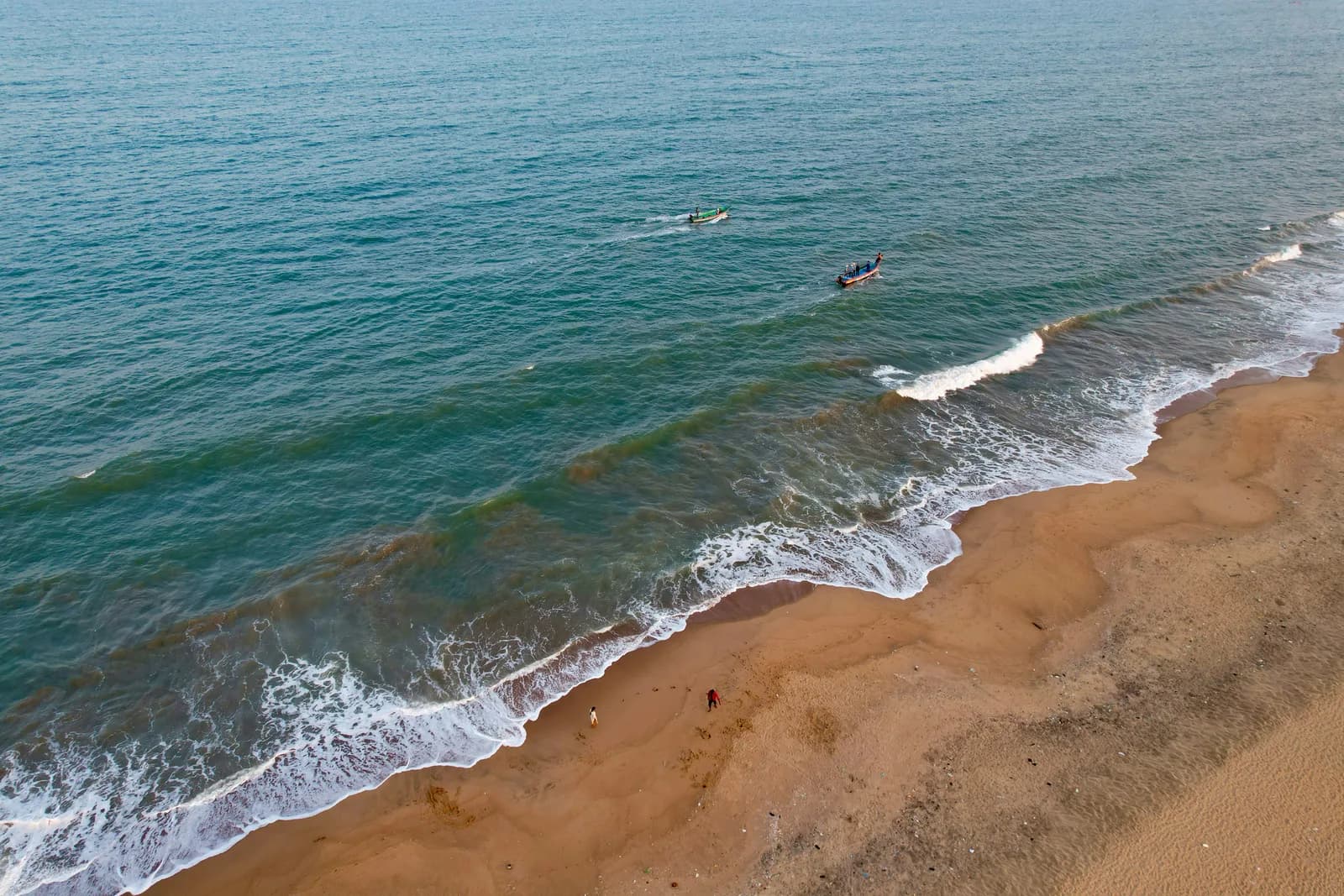
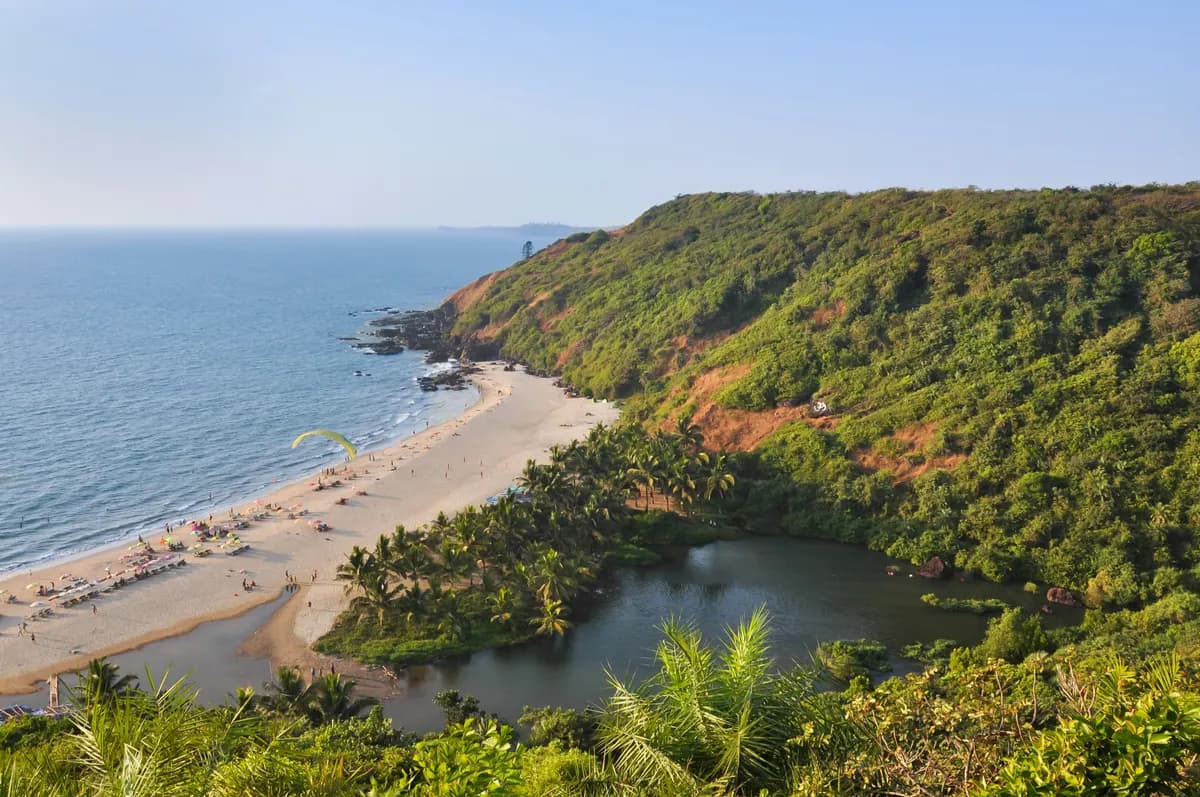
Further south and along the coasts, February is arguably at its peak: Kerala, Goa and Tamil Nadu Beaches are warm, dry and humidity-free, ahead of the far more intense heat that builds from March onward. Daytime temperatures along the coast typically sit in the high twenties to low thirties, without the muggy, sticky quality that arrives once humidity climbs later in spring. Backwater houseboats, beach afternoons and coastal fort visits all work at close to their most comfortable this month, and it's genuinely one of the best windows of the entire year for South India specifically.
It's also the month for two of Rajasthan's most colourful desert festivals, both of which reward travellers whose dates happen to align. The Jaisalmer Desert Festival, in particular, transforms the town for a few days into a celebration of Rajasthani desert culture — camel races, folk music, turban-tying competitions — that's genuinely worth timing a Jaisalmer stop around if your schedule allows it. These aren't staged tourist performances so much as long-running local traditions that happen to welcome visitors warmly.
Wildlife safaris continue to improve through February as the dry season deepens. Ranthambore and Bandhavgarh both see thinning vegetation and reduced water availability start to concentrate animals more predictably than in January, which begins nudging tiger sighting odds upward — a trend that continues through March and peaks properly in April and May. February safaris sit in a genuinely comfortable middle ground: cool enough mornings for a pleasant open-jeep ride, with sighting conditions already noticeably better than at the start of the year.
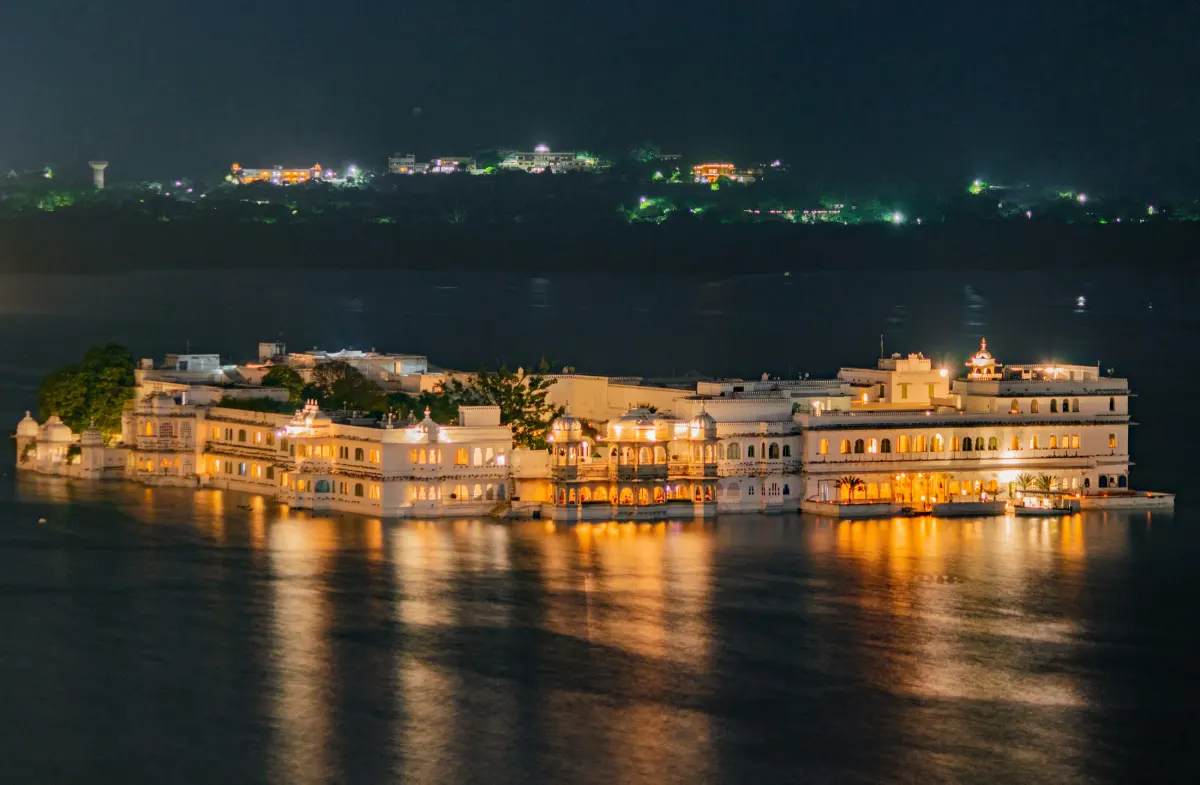
The one real trade-off across the entire month remains peak tourist season nationwide, so hotel rates stay elevated and popular sights are busy — a fair exchange for near-ideal weather almost everywhere at once, but worth planning around rather than being surprised by. Travellers who book two to three months ahead generally have the widest choice of heritage properties in Jaipur, Udaipur and Jaisalmer; those booking closer to the date can still travel comfortably, just with a narrower hotel shortlist.
For travellers weighing a North-and-South combination trip, February is arguably the single easiest month of the year to plan one in. Domestic flight connections between Rajasthan or Delhi and Kerala's airports run frequently, and neither leg of the trip asks you to compromise on weather to accommodate the other — a genuinely rare alignment that makes February worth prioritising if a combined itinerary is on the table.
The desert stretch of Rajasthan deserves particular mention this month. Jaisalmer, sitting deep in the Thar Desert, sees daytime temperatures that are genuinely pleasant for walking the fort's sandstone lanes without the punishing midday sun that arrives from April onward, while nights have shed most of January's near-freezing chill without yet losing their crispness entirely. It's this specific balance — warm enough by day, cool enough by night to still feel atmospheric around a desert campfire — that makes February one of the better months for an overnight camel safari and desert camp experience, alongside the added bonus of the Desert Festival itself if your dates align with it.
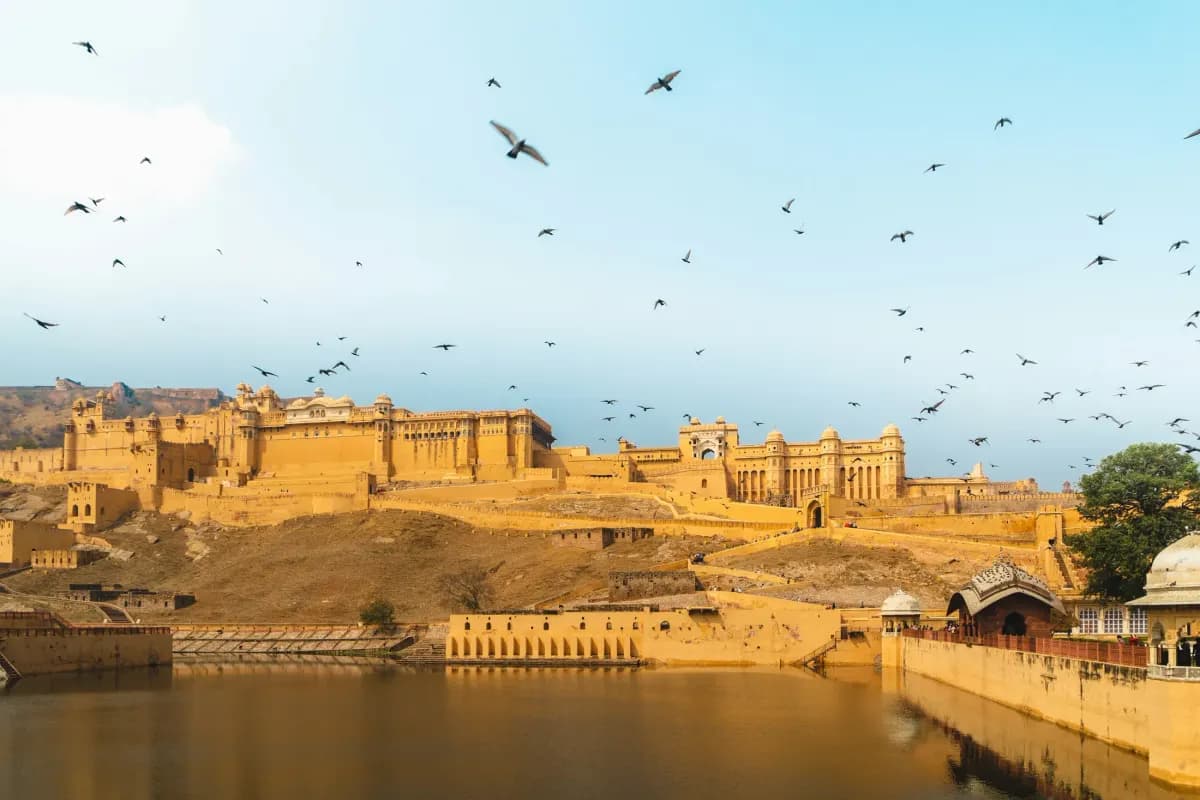
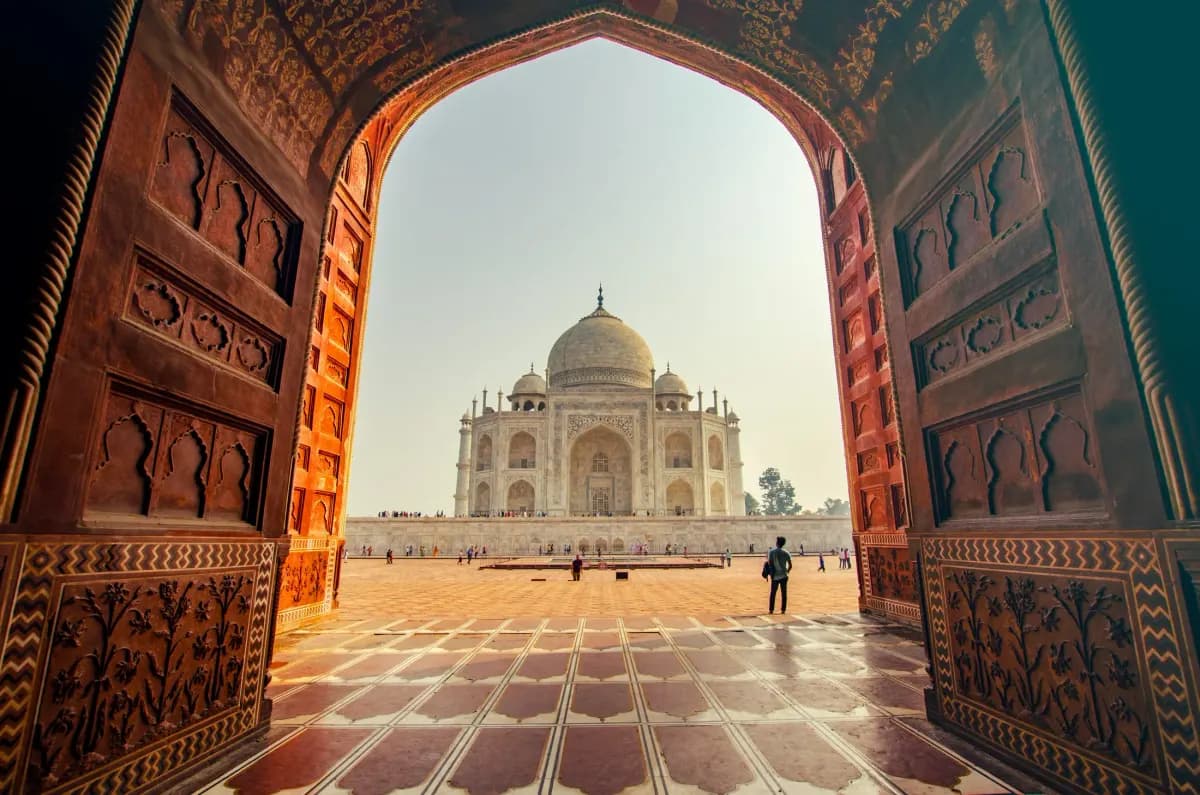
Photography-minded travellers tend to particularly favour February for one further reason: the combination of clear skies and a slightly lower sun angle than midsummer gives soft, warm light for much of the day rather than the harsh overhead glare that develops as the year progresses toward the pre-monsoon months. Sunrise and sunset at monuments like the Taj Mahal or Amber Fort carry a particular quality of light in February that many repeat visitors specifically plan around, timing their visit to these hours rather than the middle of the day regardless of the month.
It's also worth noting how February behaves differently at each end of the country in terms of humidity, since this affects comfort more than temperature alone. The north stays genuinely dry throughout, with low humidity making even the warmer afternoons feel comfortable rather than oppressive. The south, while warm, hasn't yet built up the heavier humidity that arrives with the approach of the pre-monsoon season in April — meaning a Kerala visit in February feels warm and pleasant rather than muggy, a distinction that becomes much more pronounced by the time May arrives.
Travellers building a longer trip sometimes ask whether February or March makes a better closing month, if the itinerary runs from January through to spring. February generally wins that comparison for pure comfort, since March brings noticeably warmer afternoons in Rajasthan by its second half, though March does offer Holi as a genuine cultural draw that February simply doesn't have. Neither choice is wrong; it depends on whether weather comfort or festival timing matters more to the specific trip being planned.
For anyone still deciding between a February trip focused purely on the Golden Triangle versus a longer route that adds Rajasthan's western desert towns, February's mild-but-not-yet-hot conditions make the extension a genuinely easier sell than it would be even a month or two later. Jaisalmer and Jodhpur both add real driving time to an itinerary, and doing that driving in comfortable February conditions rather than a hotter April makes the extra days feel considerably less demanding.
Where to Go in February
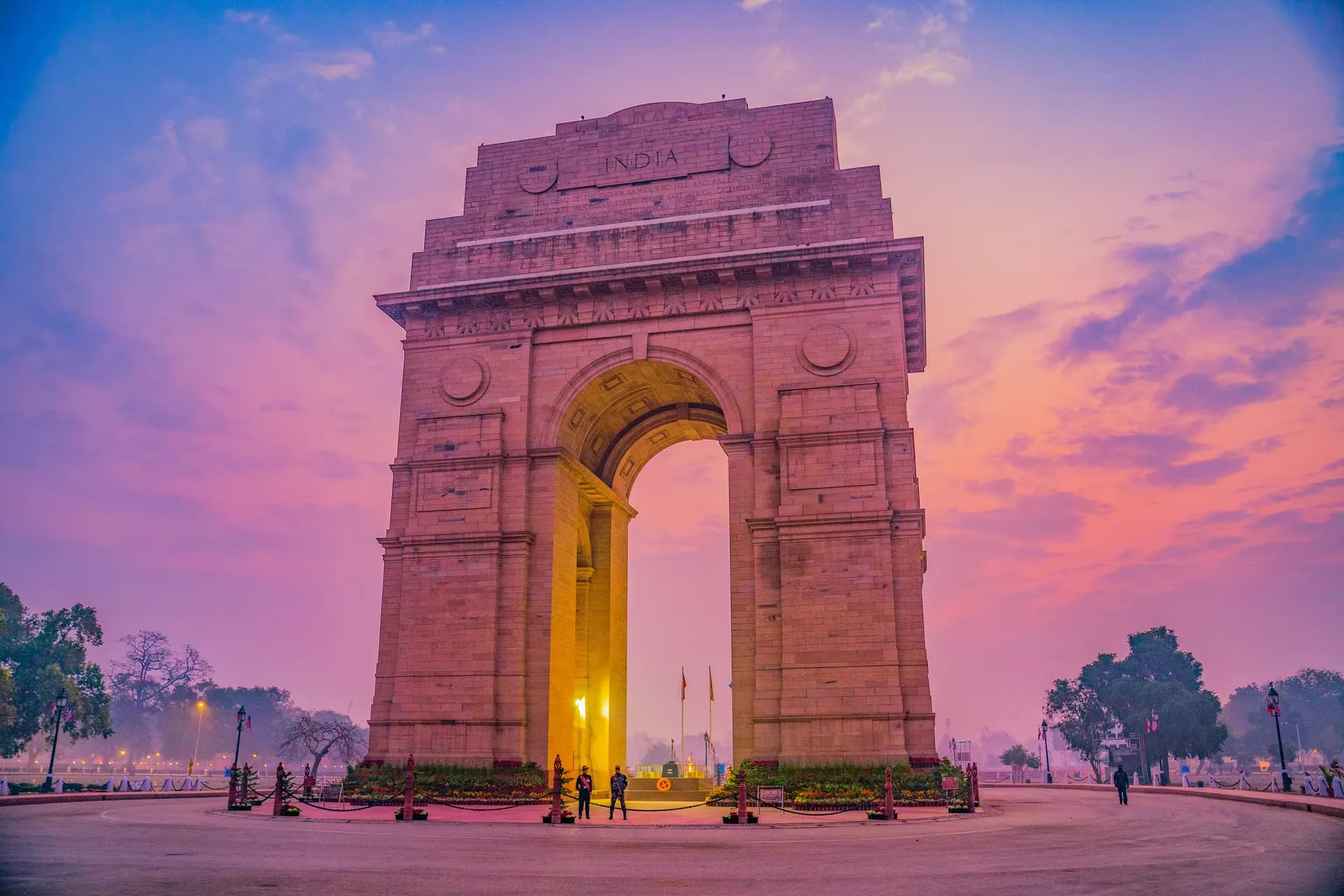
Rajasthan & the Golden Triangle
Still cool and dry, warming gently from January's coldest mornings — many travellers rate February even higher than January for overall comfort, since the desert chill has softened without the midday heat yet building. Jaipur and Jodhpur both sit in a genuinely comfortable stretch this month, and evening rooftop dinners overlooking either city's old town skyline are far more pleasant than they'd be a month earlier without a heavy jacket.
Kerala, Goa & Tamil Nadu
Warm, dry and at their most comfortable before the real heat of March–May sets in. Kerala's backwaters and Goa's beaches are both arguably at their year-round best this month, with none of the humidity that builds later, and Tamil Nadu Beaches offer similarly comfortable coastal conditions for travellers extending further along the southern coastline.
Delhi
Noticeably less fog than January, with more reliable morning flight schedules and clearer skies generally — a good sign the capital is easing out of its coldest, haziest stretch of winter, though air quality can still vary day to day depending on wind conditions.
Wildlife Parks
Good and steadily improving — vegetation continues to thin at Ranthambore, Sariska and Bandhavgarh, bringing animals closer to shrinking water sources and nudging tiger sighting odds upward compared to January, a trend that will keep strengthening into March and April.
Himalayas & Ladakh
Still deep winter at altitude; most high mountain regions including Leh & Ladakh remain snow-closed, with reopening still months away and no realistic way to visit before the spring thaw begins in earnest.
Jaisalmer & the Thar Desert
Home to the Desert Festival this month — a major highlight for travellers with flexible dates, and the desert's daytime warmth is comfortable without yet approaching the punishing heat of April and May, making it one of the better windows for an overnight camel safari and desert camp.
Why Come to India in February
The Fewest Weak Spots of Any Month
Rajasthan stays cool and comfortable while South India warms into its own best window — a genuinely rare simultaneous alignment across the country.
The Jaisalmer Desert Festival
A colourful, long-running celebration of Rajasthani desert culture, worth building a Jaisalmer stop around if your dates allow it.
Improving Wildlife Odds
Tiger sighting rates begin climbing noticeably above January's levels as vegetation thins and water sources shrink at the major reserves.
The Easiest Month for a North-South Trip
Rajasthan and Kerala are simultaneously near their best, making a combined itinerary easier to plan than in almost any other month.
What's Happening in February
Jaisalmer Desert Festival
A colourful three-day celebration of Rajasthani desert culture — camel races, folk music, turban-tying contests and traditional dance, held against the backdrop of the Thar Desert's golden dunes.
Vasant Panchami
A spring festival marking the start of the season, celebrated with yellow clothing, kite flying and prayers to the goddess Saraswati in parts of North India.
Nagaur Fair (early February, some years)
One of Rajasthan's largest cattle and camel fairs, held in the town of Nagaur — a quieter, more locally-focused alternative to Pushkar's better-known November fair, for travellers who want a genuinely unstaged rural festival experience.
Losar (Tibetan New Year, some years)
The Tibetan New Year, celebrated with particular warmth in Himalayan Buddhist communities and among the Tibetan exile population in India — a meaningful cultural moment for travellers whose route touches the Himalayan foothills or Dharamshala area around this time.
Packing for February
February's milder mornings mean the heavy winter layers of January can be scaled back slightly, though evenings in the desert still call for a proper layer, and a South India leg needs an entirely different, lighter wardrobe than the north. Travellers combining both regions in one trip should pack with the assumption that they'll be swapping wardrobes roughly halfway through, rather than trying to find clothing that works equally well in both climates.
- A light-to-medium jacket for Rajasthan's cooler mornings and evenings
- Breathable daytime layers for warming midday temperatures
- Beachwear and light cotton clothing if your route includes Kerala or Goa
- Comfortable walking shoes for fort and palace sightseeing
- A hat and sunscreen — February's sun is stronger than January's
- A light scarf for temple visits and cooler evenings alike
February rewards a genuinely ambitious itinerary better than almost any other month, since so much of the country is simultaneously at or near its best — these are the destinations where that alignment matters most, and where the case for adding an extra region to your route is strongest.
Best Destinations for February
Tours to Book for February
February's uniformly good weather means the classic Golden Triangle route works exactly as well as any extended version of it — the deciding factor is usually how much time you have, not which regions are worth the detour this particular month, since the desert towns, the lake city and the wildlife reserves are all pulling their weight simultaneously.
Popular Packages This Month
How February Compares
February sits between two good options rather than one clear winner. Compared to January, it trades the very coldest, clearest desert mornings for milder temperatures and a genuinely better window for South India specifically, at the cost of no meaningful downside. Compared to March, February is still reliably comfortable across the whole country, while March's heat starts to bite by its second half in Rajasthan and Delhi — travellers with flexible dates who want to maximise comfort generally choose February over March if forced to pick one. The only real argument for waiting past February is Holi, which falls in March most years and is worth experiencing if the festival itself matters more to your trip than shaving a few degrees off the daytime heat. Looking further ahead, neither April nor May come close to matching February's comfort for a plains-based itinerary, since both months bring serious heat to Rajasthan and Delhi well before any compensating advantage kicks in elsewhere in the country.
Common Questions
What travellers usually ask before planning a trip around February.
Can't find your answer? Our team responds within 2 hours on WhatsApp and within 12 hours by email.
Is February better than January to visit India?
For many itineraries, yes — Rajasthan and the Golden Triangle stay cool and dry while South India and the coasts warm into their own comfortable season, giving February a genuinely wide sweet spot across the country.
Is it too early for Kerala's backwaters in February?
Not at all — February is one of Kerala's most reliable months, warm and dry well ahead of the pre-monsoon humidity that builds from April.
Are hotel prices still high in February?
Yes — it remains peak season across most of the country, so book well ahead, particularly for heritage hotels in Rajasthan.
Can we combine Rajasthan and Kerala in one February trip?
Yes — this is one of the few times of year both regions are simultaneously at their best, making a combined North-and-South itinerary especially rewarding this month.
Is the Jaisalmer Desert Festival worth planning a trip around?
If your dates allow it, yes — it's a genuine, long-running local celebration rather than a staged show, and a good reason to build in extra time in Jaisalmer specifically this month.
How does wildlife safari quality in February compare to January?
Noticeably better and still improving — thinning vegetation and shrinking water sources at Ranthambore and Bandhavgarh mean February sightings tend to edge out January's, though the peak of the dry season is still a couple of months away.
Is late February warmer than early February?
Yes, gradually — the shift toward March's heat begins to show by the final week or so, particularly in Rajasthan and Delhi, though it's still a comfortable month throughout.
Should we book flights within India well in advance for February?
It's a good idea, particularly for the Rajasthan-to-Kerala route many combined itineraries use — February remains peak season, and popular routes can fill up as far ahead as a month or two.
Is February a good month for photography specifically?
Yes — clear skies combined with a gentler sun angle than midsummer give soft, warm light for much of the day, and many repeat visitors specifically time monument visits to sunrise or sunset for this reason regardless of the month.
How humid is South India in February compared to later months?
Noticeably less humid than April or May — February sits ahead of the pre-monsoon humidity build-up, so Kerala in particular feels warm and pleasant rather than muggy this month.
Is Rajasthan's western desert region — Jaisalmer and Jodhpur — easier to add in February than later months?
Yes — the extra driving time these towns require is far more comfortable in February's mild conditions than in the building heat of March or April, making this one of the better months to extend a Golden Triangle trip westward.
Does February have any real weather downside at all?
Very little — the closest thing to a drawback is that peak-season pricing and crowds haven't eased at all compared to January, so the trade-off is entirely about cost and availability rather than weather.
For many itineraries, yes — Rajasthan and the Golden Triangle stay cool and dry while South India and the coasts warm into their own comfortable season, giving February a genuinely wide sweet spot across the country.
Not at all — February is one of Kerala's most reliable months, warm and dry well ahead of the pre-monsoon humidity that builds from April.
Yes — it remains peak season across most of the country, so book well ahead, particularly for heritage hotels in Rajasthan.
Yes — this is one of the few times of year both regions are simultaneously at their best, making a combined North-and-South itinerary especially rewarding this month.
If your dates allow it, yes — it's a genuine, long-running local celebration rather than a staged show, and a good reason to build in extra time in Jaisalmer specifically this month.
Noticeably better and still improving — thinning vegetation and shrinking water sources at Ranthambore and Bandhavgarh mean February sightings tend to edge out January's, though the peak of the dry season is still a couple of months away.
Yes, gradually — the shift toward March's heat begins to show by the final week or so, particularly in Rajasthan and Delhi, though it's still a comfortable month throughout.
It's a good idea, particularly for the Rajasthan-to-Kerala route many combined itineraries use — February remains peak season, and popular routes can fill up as far ahead as a month or two.
Yes — clear skies combined with a gentler sun angle than midsummer give soft, warm light for much of the day, and many repeat visitors specifically time monument visits to sunrise or sunset for this reason regardless of the month.
Noticeably less humid than April or May — February sits ahead of the pre-monsoon humidity build-up, so Kerala in particular feels warm and pleasant rather than muggy this month.
Yes — the extra driving time these towns require is far more comfortable in February's mild conditions than in the building heat of March or April, making this one of the better months to extend a Golden Triangle trip westward.
Very little — the closest thing to a drawback is that peak-season pricing and crowds haven't eased at all compared to January, so the trade-off is entirely about cost and availability rather than weather.
Start Your Journey
Your February Trip Awaits.
Where Will You Go?
Tell us your travel dates and where you'd like to go — we'll build an itinerary around the right regions for that time of year, usually with a reply within 24 hours.