Chitwan — Jungle Safaris & One-Horned Rhinos
Sal forest, riverside grassland, and one of the last strongholds of the greater one-horned rhinoceros — a complete change of pace from Nepal's mountains and temples.
Best Season
October–March (Dry Season)
Ideal Trip Length
2 – 3 Days
Main Gateway
Bharatpur Airport (BHR), 20 min flight from Kathmandu
Languages Spoken
Nepali, Tharu, English
Jungle Safaris & One-Horned Rhinos
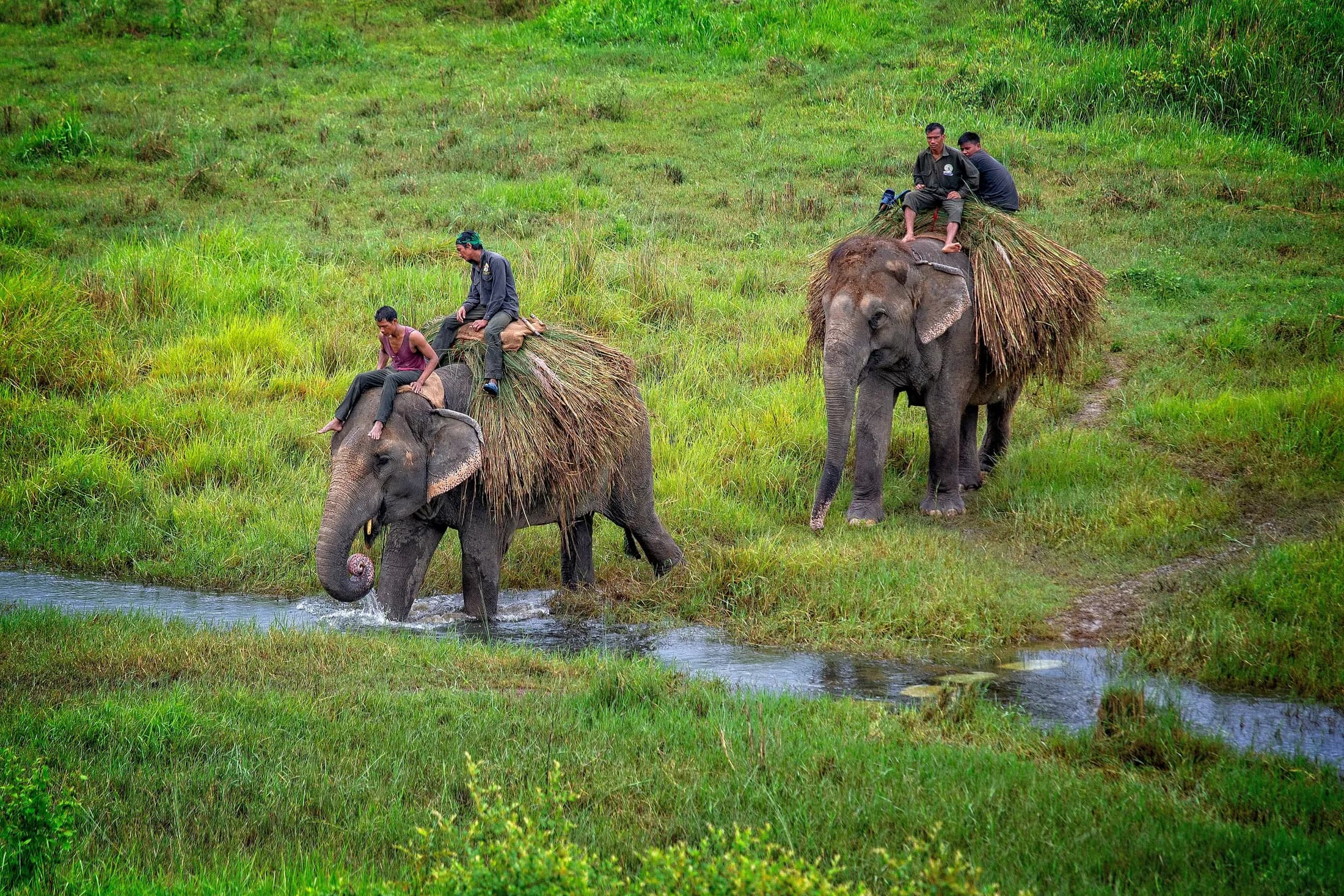
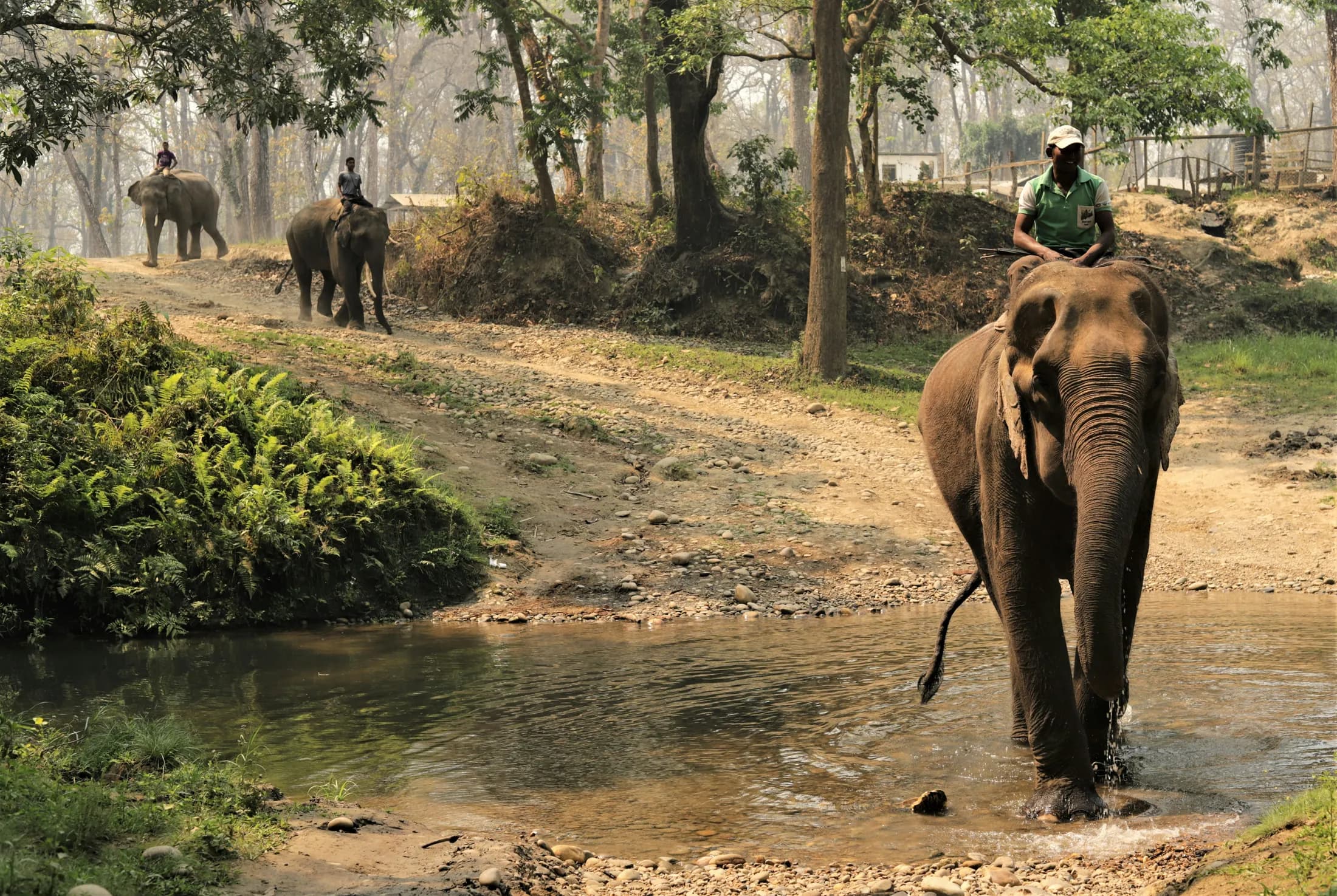
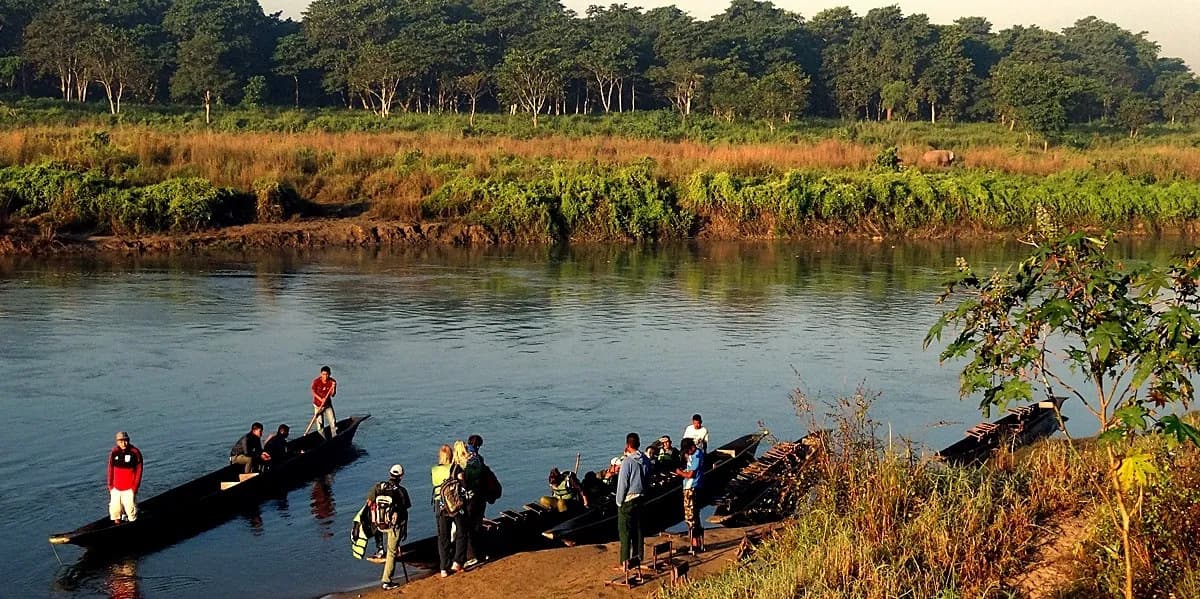
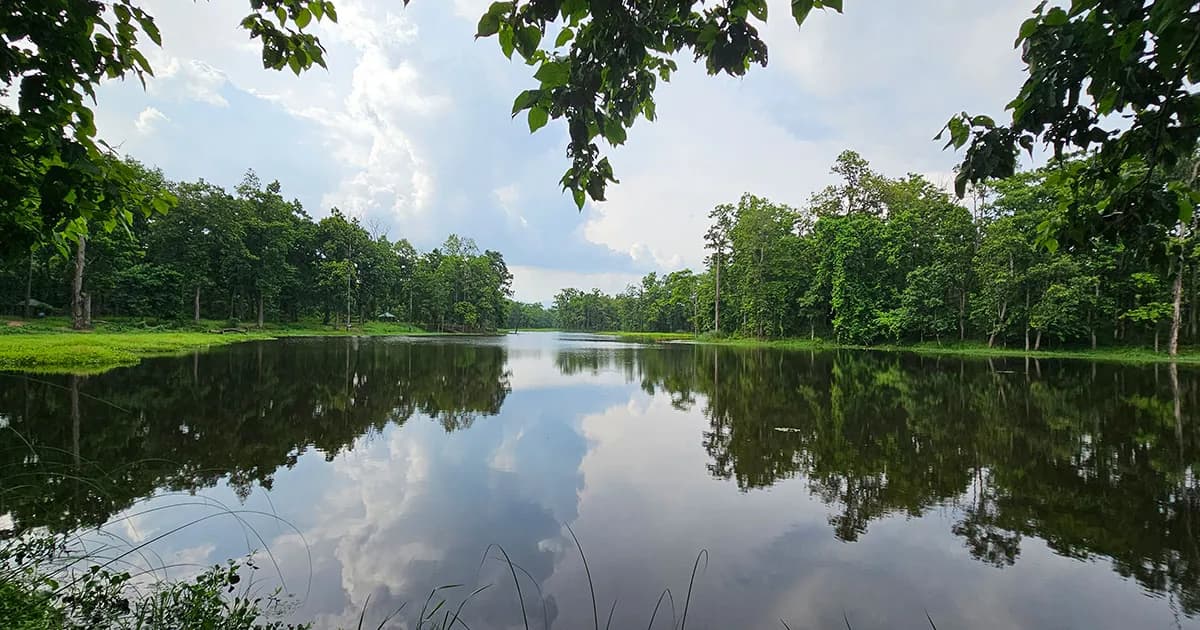
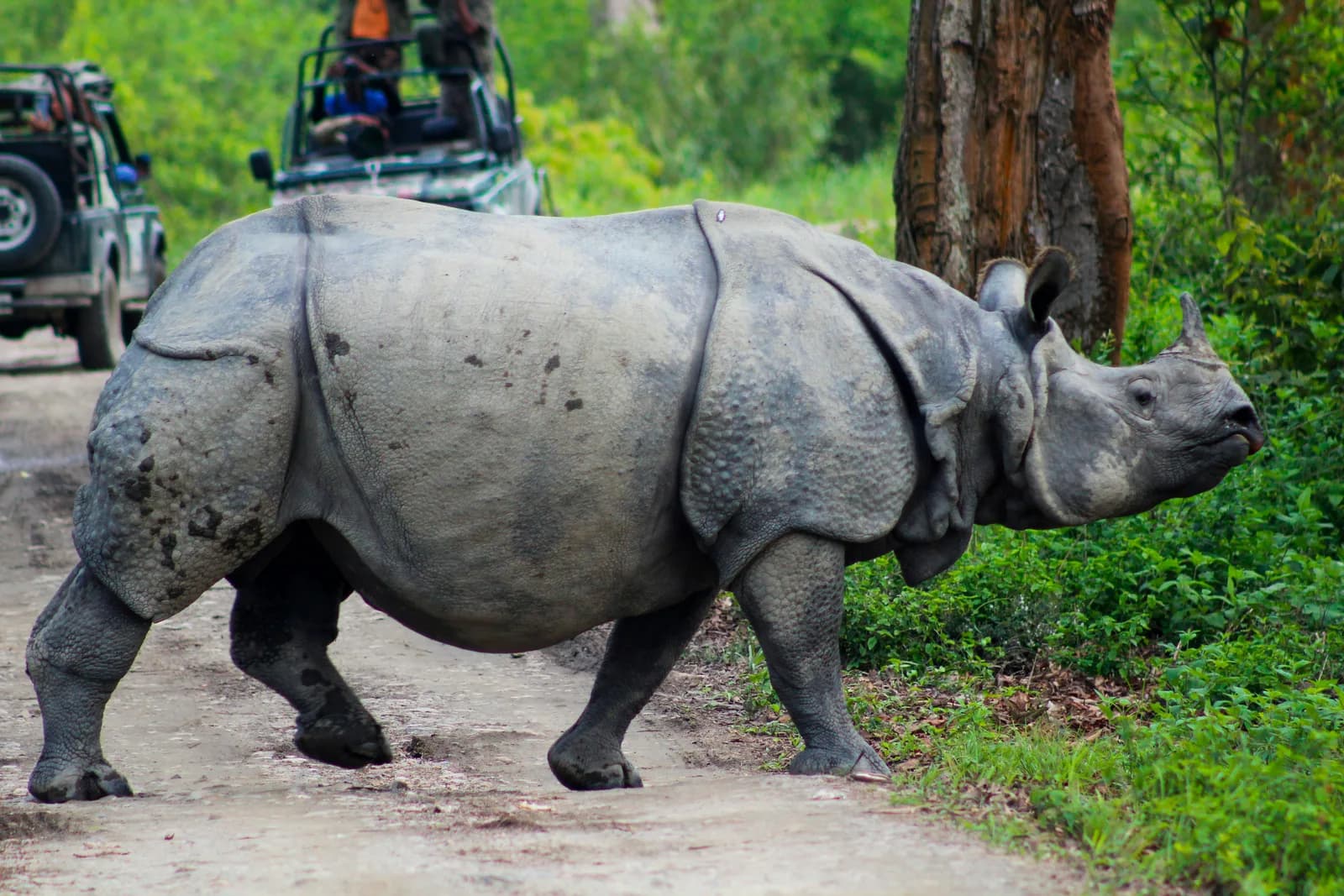
Chitwan National Park sits in Nepal's lowland Terai region, a world away from the mountain views and temple squares most visitors associate with the country. Dense sal forest gives way to tall elephant grass and the braided channels of the Rapti and Narayani rivers, and it's here that the greater one-horned rhinoceros — one of Asia's great conservation success stories — can still be reliably spotted from a jeep or a quiet dugout canoe. The park is also a growing stronghold for the Bengal tiger, alongside gharial and mugger crocodiles basking along the riverbanks and an exceptional range of birdlife, which is what draws serious birdwatchers to the nearby Bishazari Tal wetlands as much as the main safari routes.
Sauraha, the small town that serves as the park's main gateway, is built around this rhythm of jeep safaris, canoe rides and quiet mornings watching the Rapti River. It's also the best place to spend time with the Tharu community, the indigenous people native to this part of Nepal, whose villages, distinctive mud-and-thatch architecture and evening stick-dance performances offer a genuinely different cultural thread from the Hindu and Buddhist heritage further north. Reached by a short flight or a scenic drive from either Kathmandu or Pokhara, Chitwan works best as the third stop on a Nepal itinerary — the wildlife counterpart to the temples and the mountain views that come before it.
What to See
Getting There
By Air from Kathmandu
A short 20-minute flight connects Kathmandu to Bharatpur Airport, just outside Chitwan National Park — the fastest way in, especially if time is limited.
By Road from Kathmandu or Pokhara
A 5 to 6 hour scenic drive from Kathmandu, or roughly 4 to 5 hours from Pokhara, along routes that pass through Nepal's lowland Terai region.
Typical Pairing
Chitwan is usually added as a third stop on a Nepal circuit alongside Kathmandu and Pokhara, giving a wildlife safari to complement the temples and mountain views.
What Makes This Different
A Stronghold for the One-Horned Rhino
Chitwan National Park is one of the last places on Earth where the greater one-horned rhinoceros can be reliably seen in the wild, alongside a growing Bengal tiger population.
Jungle, Not Mountains
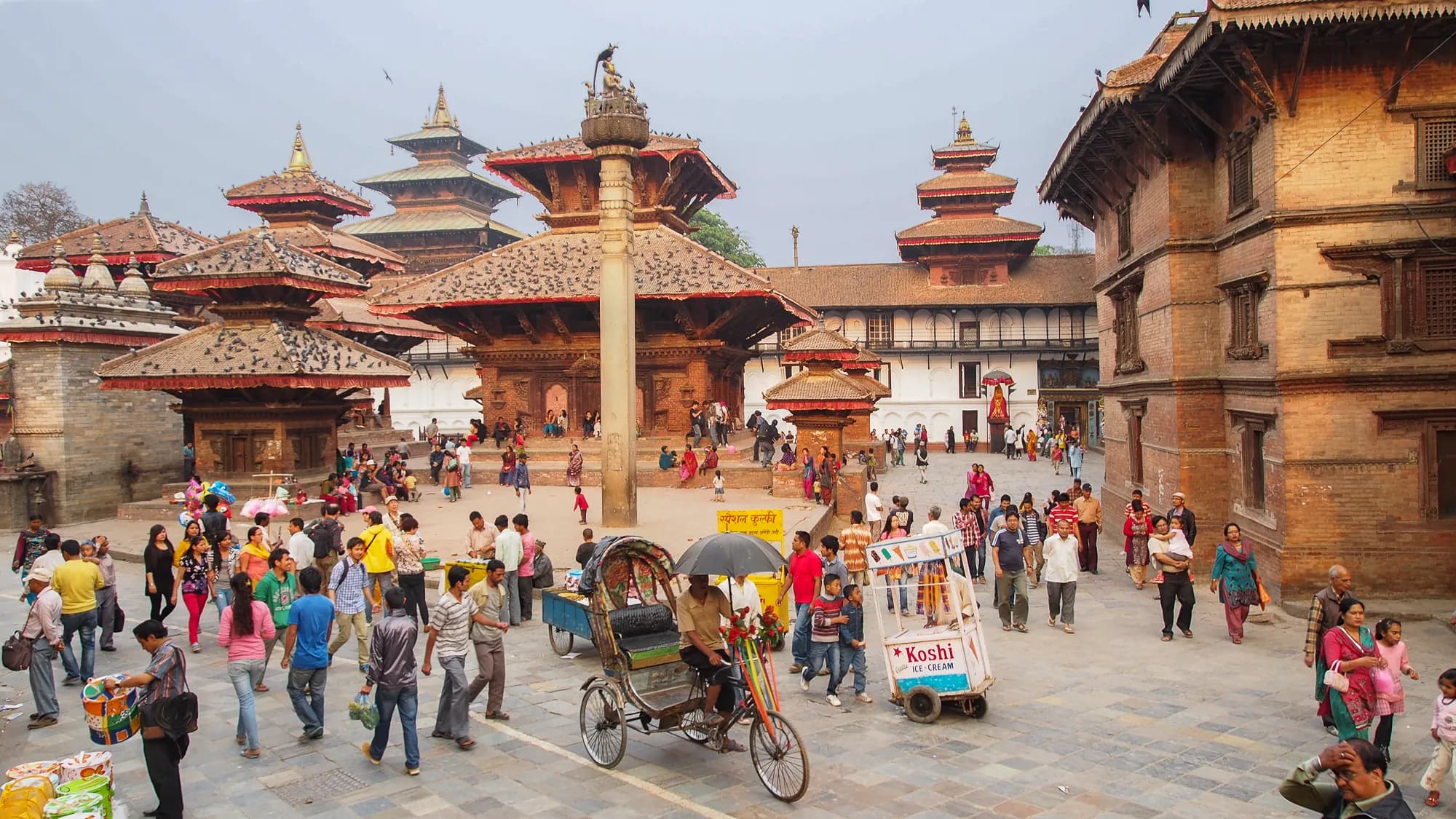
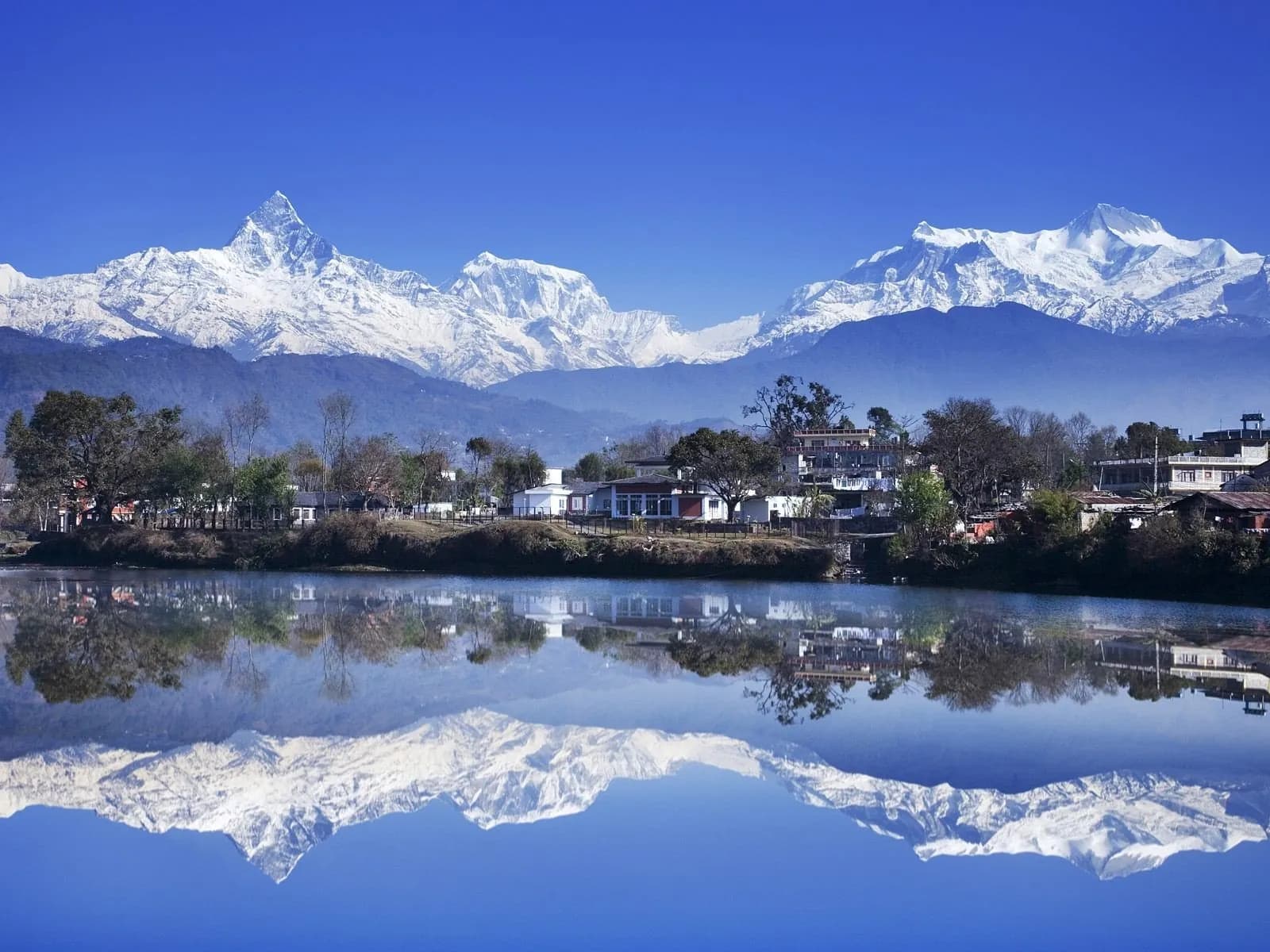
Where Kathmandu and Pokhara are about temples and Himalayan views, Chitwan flips the script entirely — lowland sal forest, rivers and grassland safari country.
Genuine Indigenous Culture
The Tharu community's villages, cuisine and stick-dance performances offer a side of Nepal that has little to do with Kathmandu's Buddhist and Hindu heritage sites.
A UNESCO World Heritage Park
Chitwan was one of the first national parks in South Asia to earn UNESCO recognition, reflecting decades of successful conservation work on its rhino population.
An Easy Third Stop
A short flight or drive from either Kathmandu or Pokhara means Chitwan slots naturally into a Nepal itinerary without adding real logistical complexity.
October–March is Best
The dry season gives the clearest wildlife sightings, as shorter grass and lower water levels bring animals closer to the rivers and safari routes. The monsoon (June–September) makes much of the park difficult to access.
Nearby & Related Destinations
Getting Around by Private Car


Common Questions
What first-time visitors to Chitwan usually want to know.
Can't find your answer? Our team responds within 2 hours on WhatsApp and within 12 hours by email.
How many days should we plan for Chitwan?
2 to 3 days is enough for an elephant or jeep safari, a canoe ride, and time at the Bishazari Tal wetlands, with a reasonable chance of spotting rhinos and a range of birdlife.
When is the best time for wildlife viewing?
October to March, the dry season, gives the clearest sightings, since the grass is shorter and animals gather more predictably around water sources.
Are the safaris on foot, elephant-back, or by vehicle?
All three are offered — jeep safaris cover the most ground, elephant-back safaris move quietly through tall grassland, and guided walking safaris and canoe rides give a closer perspective in specific zones.
Do we need a separate visa for Nepal?
Yes, Nepal requires its own visa, though most nationalities can get a visa on arrival at Tribhuvan International Airport in Kathmandu — we'll confirm the current requirements for your passport when planning your trip.
2 to 3 days is enough for an elephant or jeep safari, a canoe ride, and time at the Bishazari Tal wetlands, with a reasonable chance of spotting rhinos and a range of birdlife.
October to March, the dry season, gives the clearest sightings, since the grass is shorter and animals gather more predictably around water sources.
All three are offered — jeep safaris cover the most ground, elephant-back safaris move quietly through tall grassland, and guided walking safaris and canoe rides give a closer perspective in specific zones.
Yes, Nepal requires its own visa, though most nationalities can get a visa on arrival at Tribhuvan International Airport in Kathmandu — we'll confirm the current requirements for your passport when planning your trip.
Itinerary planned by Dhruv Poonia, Digital & Marketing Manager
Start Your Journey
Your Journey to Chitwan Awaits.
When Will You Go?
Tell us how many days you have and what you'd like to see — we'll reply with a tailored itinerary and quote, usually within 24 hours.