Wildlife & Tiger Safari Tours
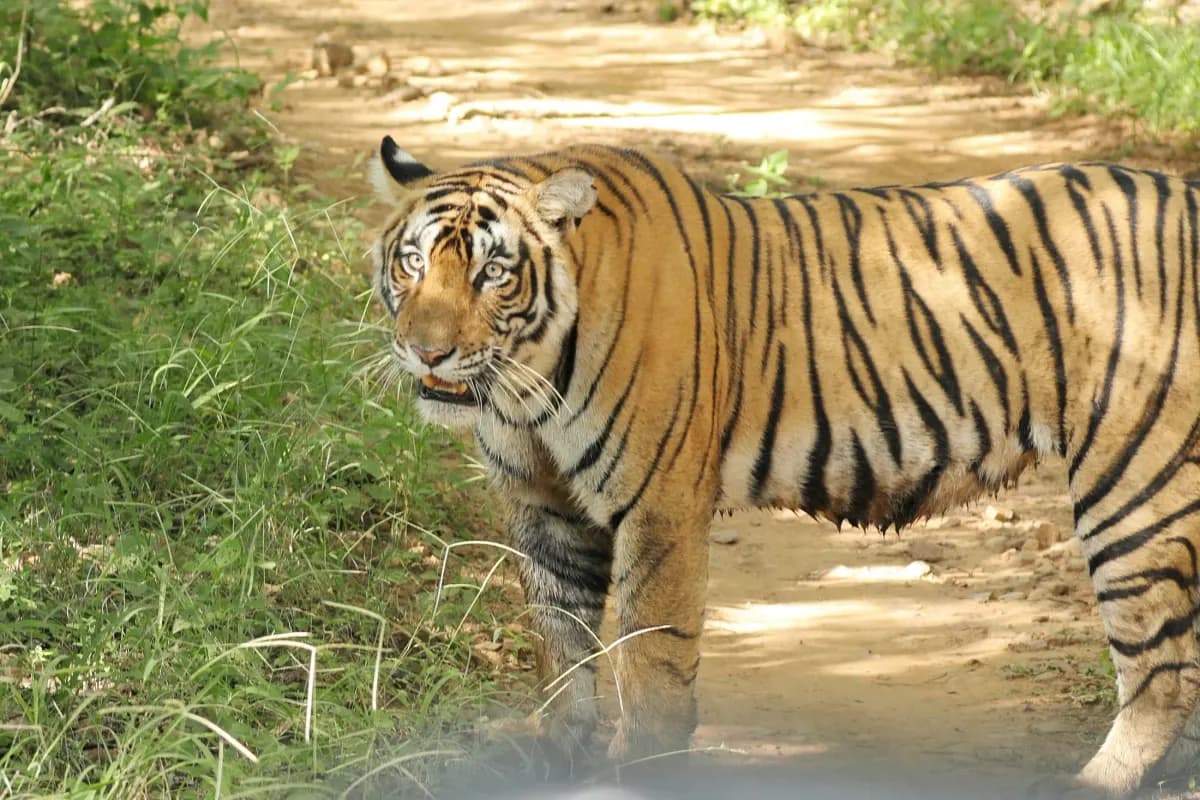
India holds roughly 70% of the world's wild tigers, spread across reserves with genuinely different landscapes — the difference between these routes is which one, and which animal, you're actually after.
Tours from $300 per person
*Indicative price in USD. Final quote provided in INR or USD based on your preference. Price varies by travel dates, group size and hotel category.
Wildlife & Tiger Safari Packages
Where These Tours Actually Go
Planning a Wildlife & Tiger Safari Trip
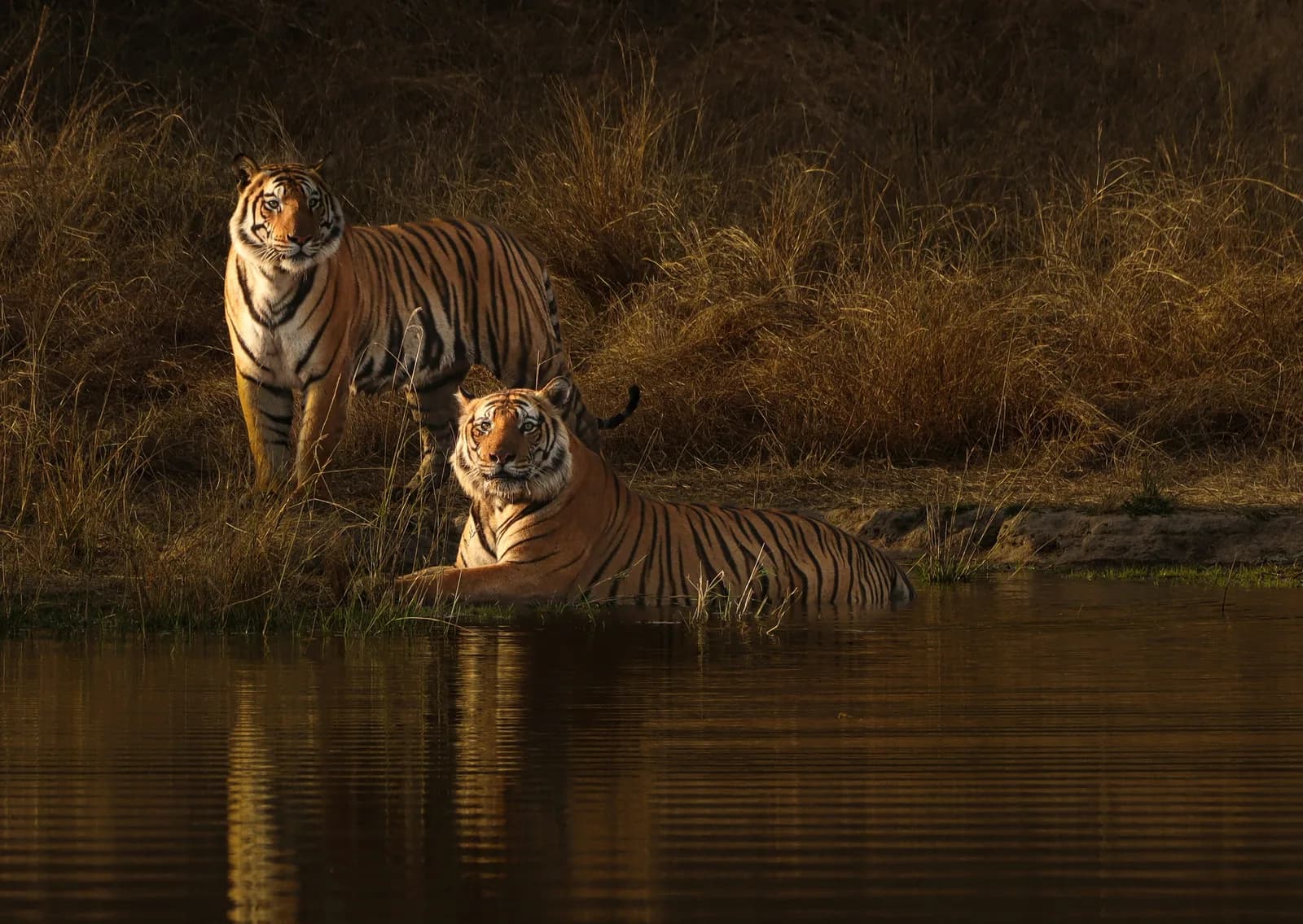
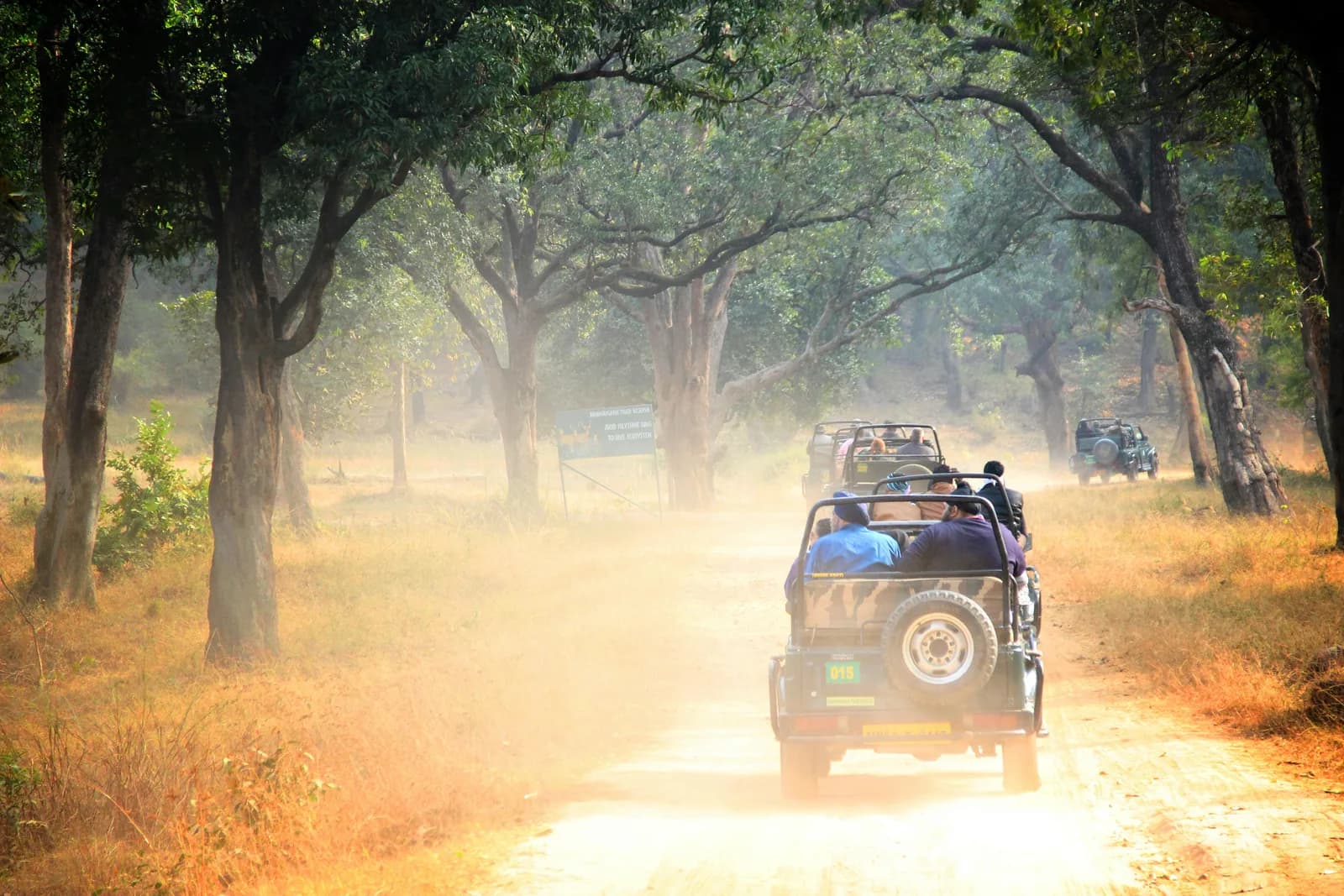
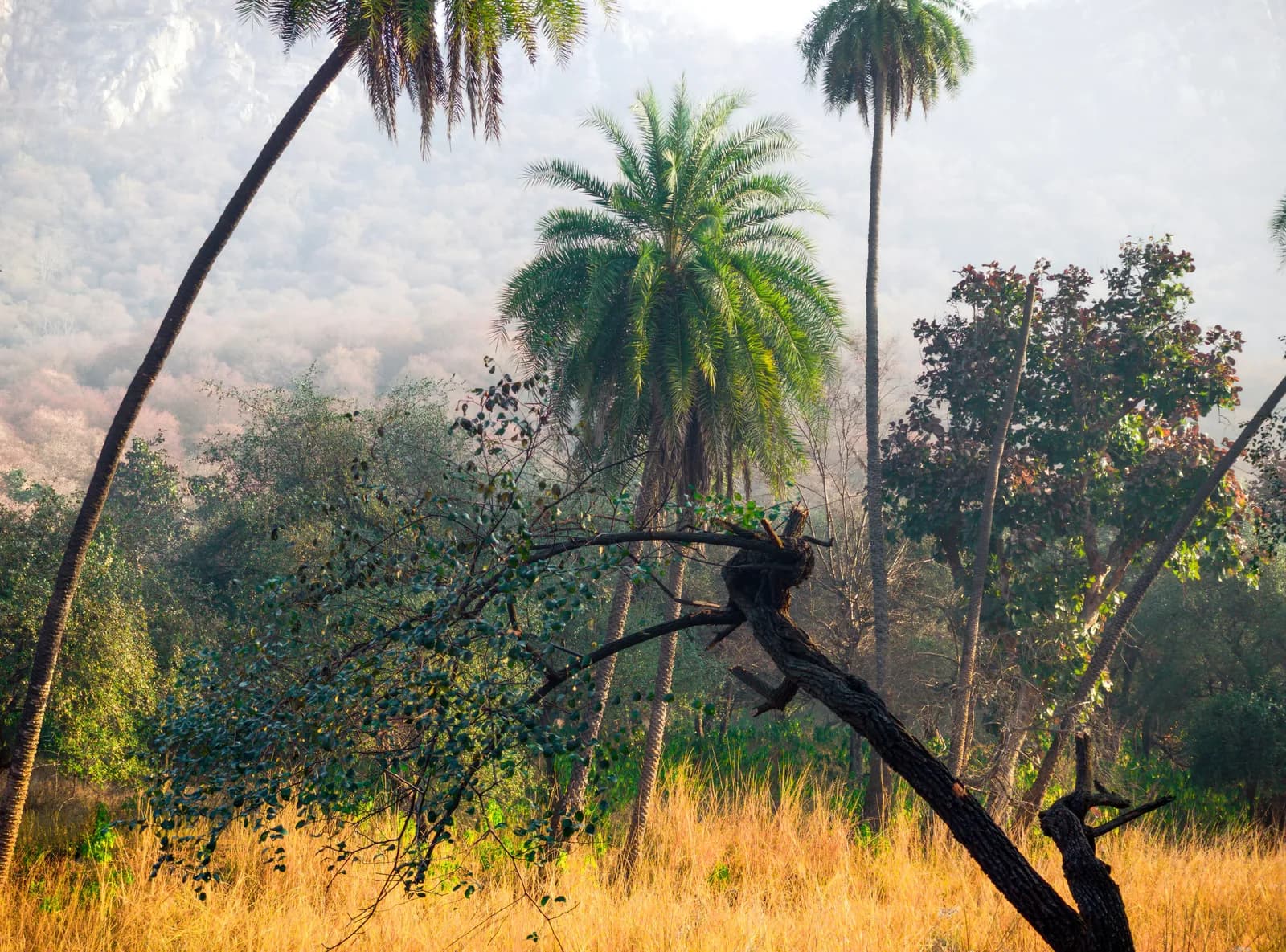
India holds roughly 70% of the world's wild tiger population, spread across reserves with genuinely different landscapes, terrain and safari styles rather than one interchangeable experience repeated in different states. The five routes above reflect that range deliberately — Ranthambore and Sariska in Rajasthan's dry deciduous forest, close enough to combine with a Rajasthan circuit; Bandhavgarh, Kanha and Pench in Madhya Pradesh, widely considered India's best tiger-density reserves; Kaziranga in Assam, a completely different ecosystem built around rhinos and grassland rather than tigers and forest; and Periyar in Kerala, explored by boat rather than jeep.
Ranthambore is the reserve most first-time visitors reach first, both because of its fame and its location — close enough to Jaipur to combine naturally with a Rajasthan itinerary, with the added novelty of a ruined 10th-century fort standing inside the park boundary itself, visible from several safari routes. Sariska, a couple of hours further into Rajasthan, offers a quieter alternative with lower visitor numbers, following a genuine tiger reintroduction programme after the park's original tigers were lost to poaching in the mid-2000s.
Madhya Pradesh's reserves — Bandhavgarh, Kanha and Pench — are widely considered India's strongest for an actual tiger sighting, with Bandhavgarh in particular holding one of the highest tiger densities of any reserve in the country. Kanha, meanwhile, is often credited as the landscape that inspired Rudyard Kipling's Jungle Book, and Pench sits close enough to combine both reserves in one trip. These three run as a dedicated route distinct from the Rajasthan reserves above, since combining Rajasthan and Madhya Pradesh's parks in one trip usually adds more travel time than sightseeing time.
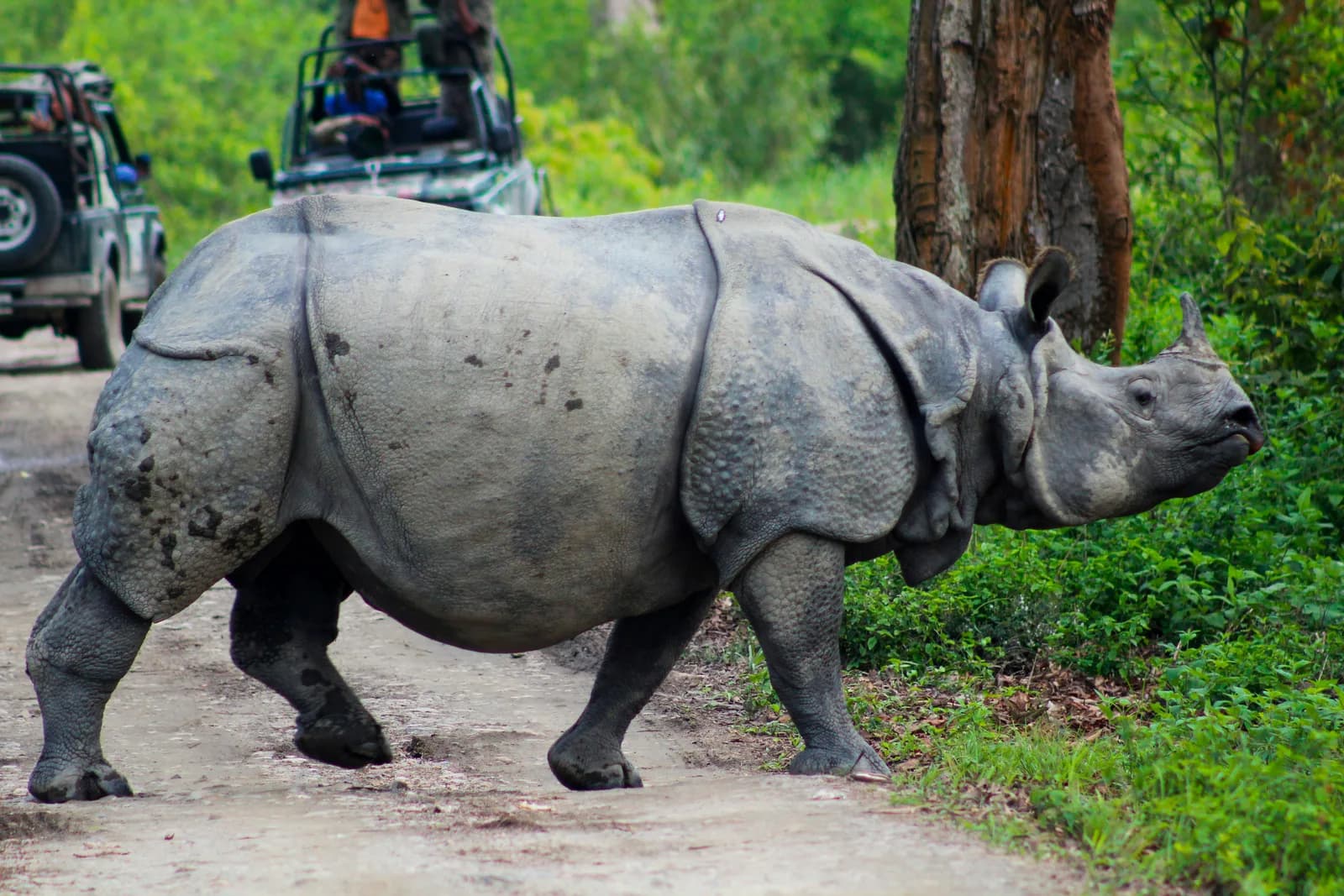
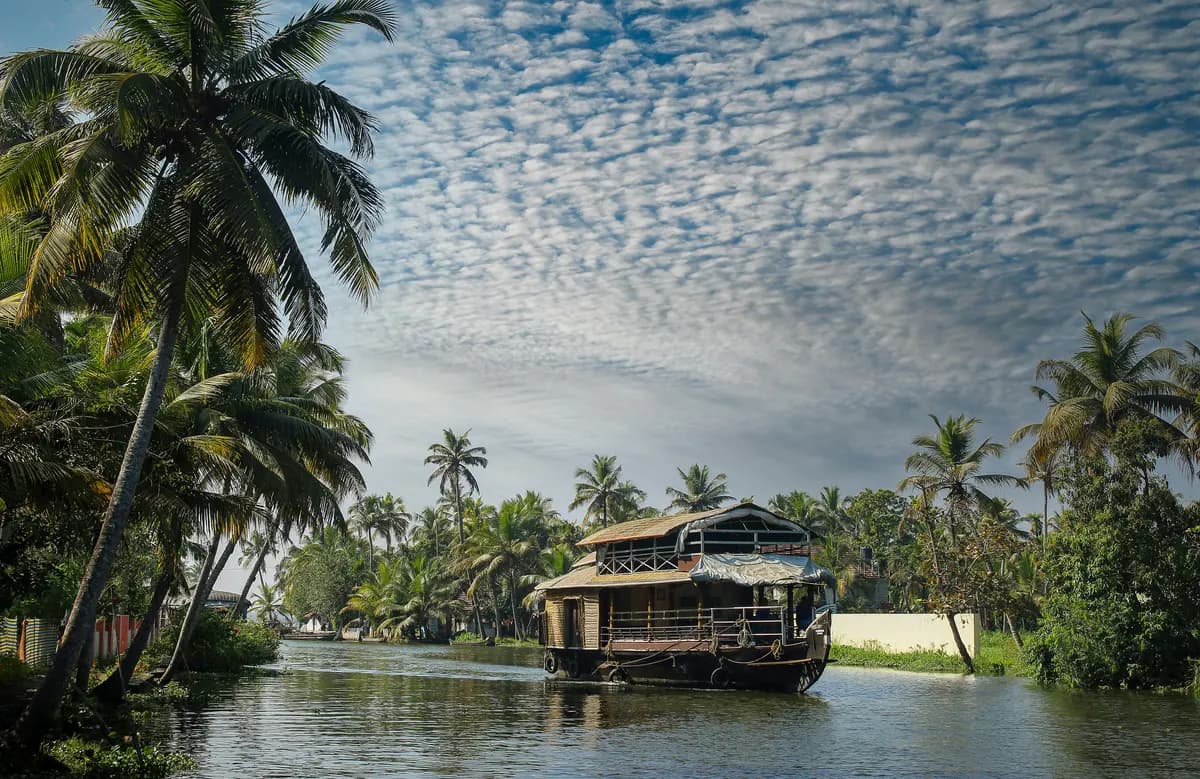
Kaziranga, a UNESCO World Heritage Site on the Brahmaputra floodplain in Assam, is a genuinely different kind of wildlife trip — grassland and wetland rather than forest, elephant-back or jeep safaris rather than the same format repeated, and the one-horned rhinoceros as the headline species rather than tigers, alongside wild elephants, water buffalo and over 500 recorded bird species. It's a considerable distance from India's other major reserves, so it works best either as its own dedicated trip or combined with a wider Northeast India itinerary rather than tacked onto a Rajasthan or Madhya Pradesh route. Periyar, near Thekkady in Kerala, is different again — one of the few tiger reserves explored primarily by boat, gliding across Periyar Lake watching for elephants and other wildlife along the shoreline, and easily combined with a wider Kerala circuit.
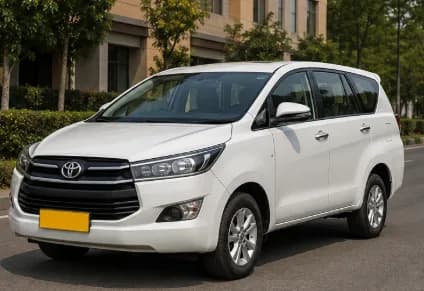
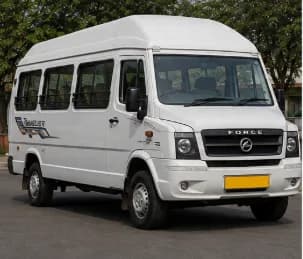
Every route here runs with a private vehicle and driver for transfers, with safari vehicles and permits arranged separately as part of your itinerary — tiger reserve safaris require advance permit bookings that fill up during peak season, so earlier booking genuinely matters more here than on a standard sightseeing itinerary. See our car rental fleet for the range of vehicles we use for transfers between parks and cities. Tell us which reserve or region interests you most, and how it fits with the rest of your trip, and we'll build the itinerary and permits around it.
Getting Around by Private Vehicle

Helpful Travel Guides
- India Health & Vaccination GuideGeneral health and vaccination guidance before you travel.Read the guide
- Getting Around India: Flights, Trains & RoadsHow to move between cities, and why a private driver works.Read the guide
- First Trip to India: What to Know Before You GoHow long to plan for, visas, seasons and what to book first.Read the guide
Wildlife & Tiger Safari Tours: Frequently Asked Questions
Can't find your answer? Our team responds within 2 hours on WhatsApp and within 12 hours by email.
Which tiger reserve has the best chance of an actual sighting?
Bandhavgarh in Madhya Pradesh is widely considered to have the highest tiger density of any Indian reserve, giving it a strong reputation for sightings, though no reserve can guarantee one on any single safari. Ranthambore is a close second in reputation and considerably easier to combine with a Rajasthan itinerary.
How far in advance do I need to book a safari permit?
As early as possible — tiger reserve safari permits are limited and fill up well ahead during peak season (November to April), sometimes weeks in advance for popular zones. We handle permit booking as part of your itinerary, but earlier notice gives access to better zones and time slots.
Can I combine a tiger safari with a Rajasthan or Golden Triangle trip?
Yes, easily for Ranthambore or Sariska, both within reach of a standard Rajasthan circuit. Bandhavgarh, Kanha and Pench sit further away in Madhya Pradesh and work better as their own dedicated trip or combined with each other rather than added onto a Rajasthan itinerary.
What's different about Kaziranga compared to the other reserves?
Kaziranga is built around rhinos and grassland rather than tigers and forest — it's a UNESCO World Heritage Site on the Brahmaputra floodplain in Assam, home to roughly two-thirds of the world's one-horned rhinoceros population, and a considerable distance from India's other major reserves, so it works best as its own trip or part of a Northeast India itinerary.
What's the best time of year for a tiger safari?
November through April is the main safari season across most reserves, with the hotter, drier months (March-April) often producing better sightings as animals gather near remaining water sources. Most parks close for some or all of the June-to-September monsoon.
Bandhavgarh in Madhya Pradesh is widely considered to have the highest tiger density of any Indian reserve, giving it a strong reputation for sightings, though no reserve can guarantee one on any single safari. Ranthambore is a close second in reputation and considerably easier to combine with a Rajasthan itinerary.
As early as possible — tiger reserve safari permits are limited and fill up well ahead during peak season (November to April), sometimes weeks in advance for popular zones. We handle permit booking as part of your itinerary, but earlier notice gives access to better zones and time slots.
Yes, easily for Ranthambore or Sariska, both within reach of a standard Rajasthan circuit. Bandhavgarh, Kanha and Pench sit further away in Madhya Pradesh and work better as their own dedicated trip or combined with each other rather than added onto a Rajasthan itinerary.
Kaziranga is built around rhinos and grassland rather than tigers and forest — it's a UNESCO World Heritage Site on the Brahmaputra floodplain in Assam, home to roughly two-thirds of the world's one-horned rhinoceros population, and a considerable distance from India's other major reserves, so it works best as its own trip or part of a Northeast India itinerary.
November through April is the main safari season across most reserves, with the hotter, drier months (March-April) often producing better sightings as animals gather near remaining water sources. Most parks close for some or all of the June-to-September monsoon.
Itinerary planned by Dhruv Poonia, Digital & Marketing Manager
Start Your Journey
Your Wildlife Safari Awaits.
Which Reserve Fits?
Not sure which reserve suits your dates and interests? Tell us what you have in mind and we'll help you pick — or build something in between.