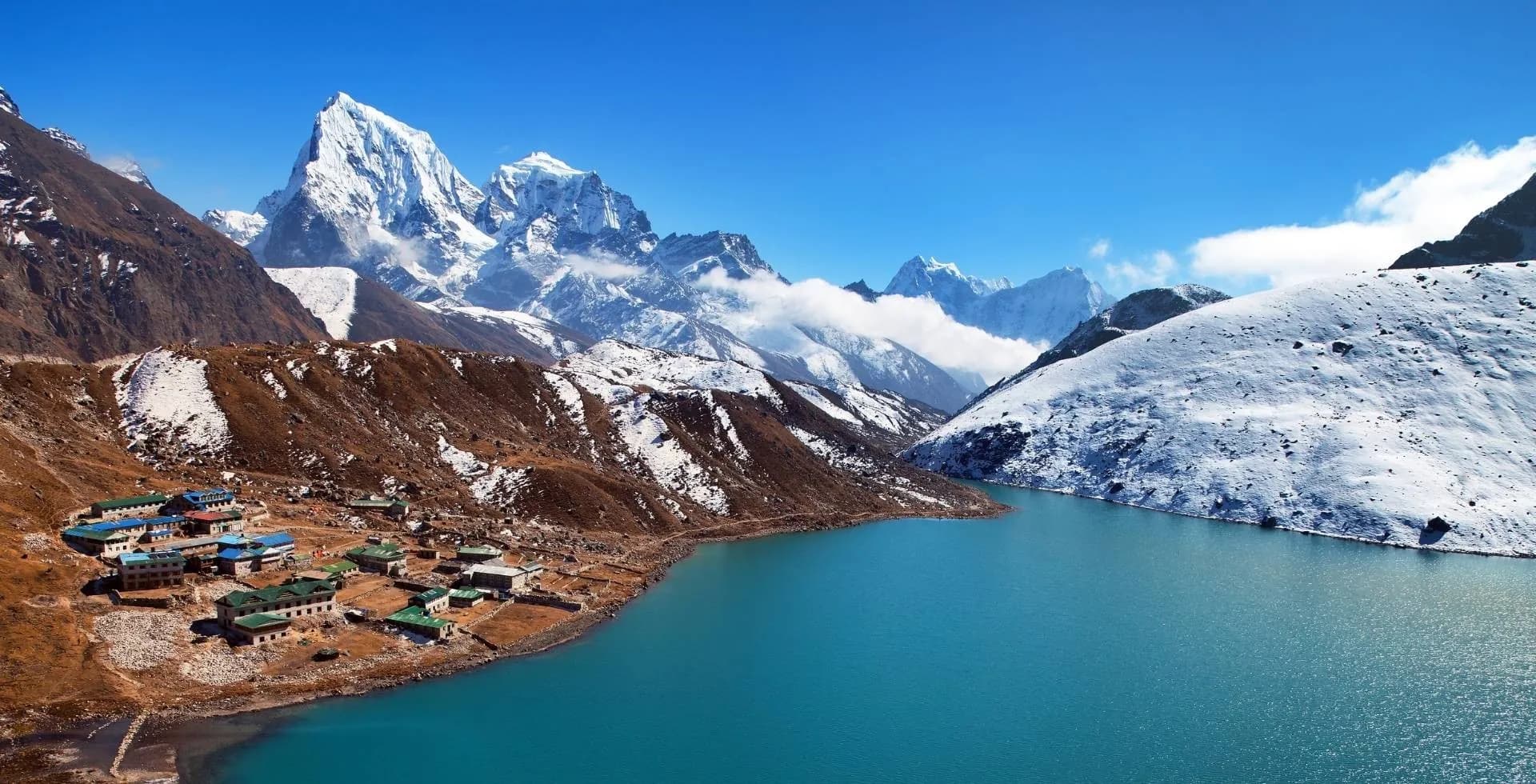
Everest Region — See the World's Highest Peak
A scenic flight for a morning, or a classic trek for two weeks — two very different ways to see Everest, both starting in Kathmandu.
Best Season
October–November & March–May
Ideal Trip Length
1 Day (Flight) or 12–14 Days (Trek)
Main Gateway
Lukla (for trekking) or direct flight from Kathmandu
Languages Spoken
Nepali, Sherpa, English
See the World's Highest Peak
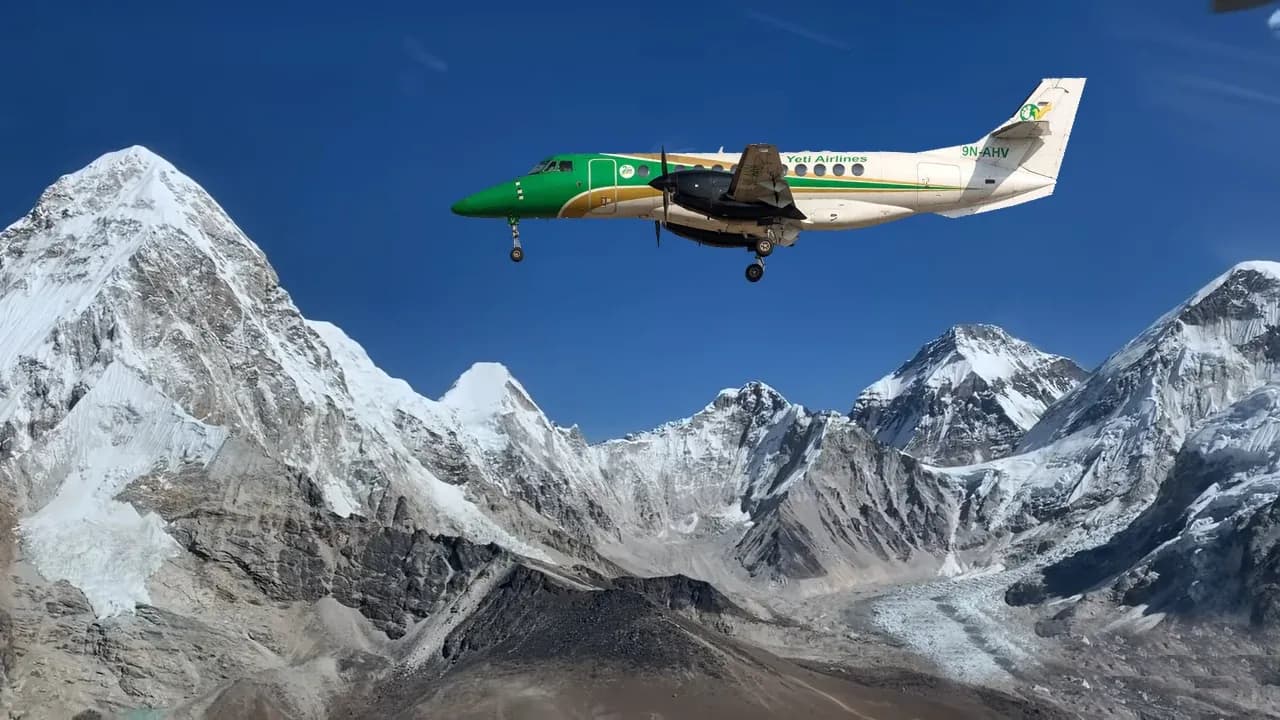
The Everest region — known locally as the Khumbu — is home to the highest point on Earth, and there are two genuinely different ways to experience it. Most of our clients choose the Everest mountain flight: a roughly one-hour scenic flight from Kathmandu that loops within view of Everest and its neighbouring peaks before returning the same morning, with no trekking, permits or particular fitness required. For travellers with the time and fitness for something more serious, the Everest Base Camp trek is the best-known trekking route in the world — a 12 to 14 day round trip from Lukla, climbing steadily through Sherpa villages to the foot of the mountain itself.
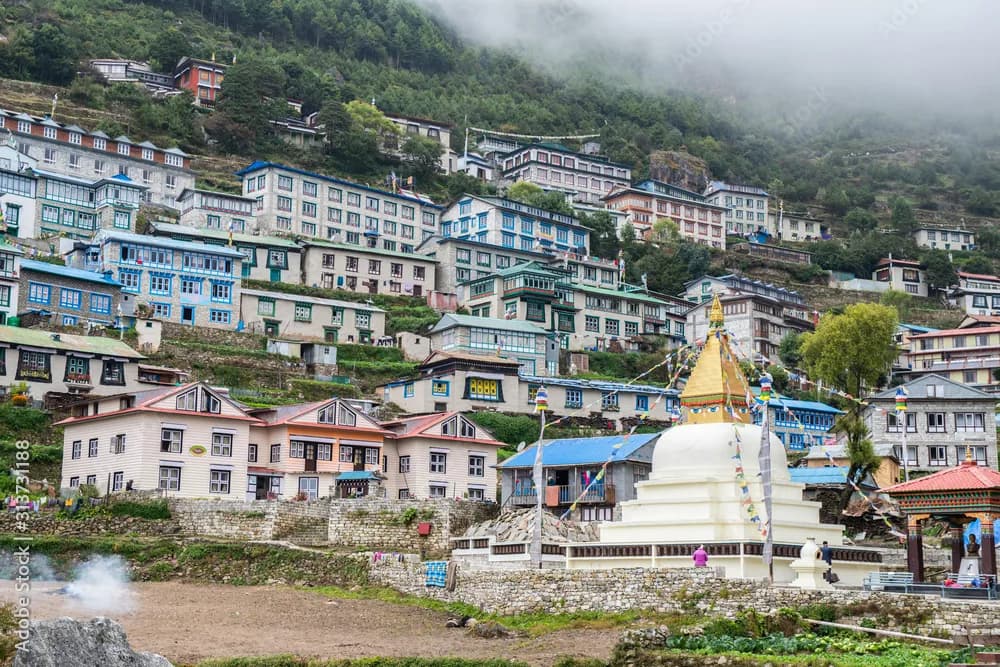
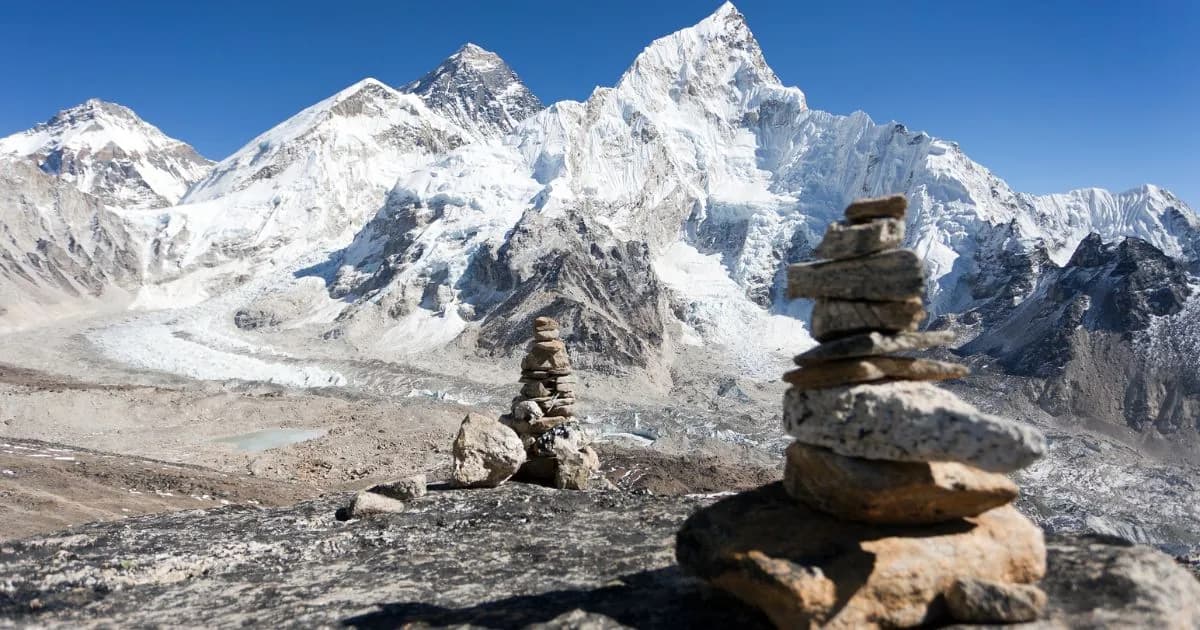
Along the trek, Namche Bazaar serves as the region's main hub, a terraced market town built into a natural amphitheatre where trekkers pause to acclimatise, while Tengboche Monastery — the largest in the Khumbu — offers one of the route's most photographed views, framed against Everest and Ama Dablam. Most trekkers turn back at Kala Patthar, a viewpoint above base camp that actually offers a better look at Everest's summit than base camp itself. Whether by flight or on foot, this entire region sits within Sagarmatha National Park, a UNESCO World Heritage Site, and is inseparable from the Sherpa culture and mountaineering history that define it.
What to See
Getting There
Mountain Flight (No Trek)
A direct scenic flight departs from Kathmandu, loops within view of Everest and the surrounding peaks, and returns the same morning — no permits, gear or fitness required.
Flight to Lukla (For Trekkers)
Trekkers fly from Kathmandu to Lukla's Tenzing–Hillary Airport, a short but dramatic mountain flight, before starting the trek on foot the same day.
No Road Access
The Everest region has no road network — flying to Lukla or joining a scenic flight are the only practical ways in, since the trek itself takes over a week to reach on foot from the nearest road.
What Makes This Different
The Highest Point on Earth
Whether from a mountain flight window or the trail itself, few travel experiences carry the same weight as seeing Everest's summit with your own eyes.
Two Ways to Experience It
A short scenic flight suits travellers on a tighter schedule, while the full Everest Base Camp trek suits those with the time and fitness for a serious multi-day trek — most of our clients choose the former.
Living Sherpa Culture
The Khumbu region is home to the Sherpa people, whose mountaineering history, monasteries and villages give the trek as much cultural depth as scenery.
A UNESCO-Protected Landscape
Sagarmatha National Park, which contains Everest and the surrounding peaks, is a UNESCO World Heritage Site protecting one of the world's most extreme high-altitude ecosystems.
A Genuine Bucket-List Destination
Few places carry the same universal recognition — a flight past Everest or a trek to its base is the kind of experience that anchors an entire trip.
October–November & March–May are Best
These windows give the clearest mountain views and the most stable flying conditions, for both the scenic flight and the trek. The summer monsoon (June–September) brings poor visibility and a higher risk of flight delays.
Nearby & Related Destinations
Getting Around by Private Car


Common Questions
The questions we hear most from travellers planning a trip to Everest Region.
Can't find your answer? Our team responds within 2 hours on WhatsApp and within 12 hours by email.
Do we have to trek to see Everest?
No — the Everest mountain flight from Kathmandu takes about an hour, flies within view of the summit, and requires no trekking, permits or special fitness. It's what most of our clients choose.
How long does the Everest Base Camp trek take?
The classic route takes 12 to 14 days round trip from Lukla, including acclimatisation days — it's a serious undertaking that suits travellers with the time and fitness for a multi-day trek.
Is the flight to Lukla safe?
Lukla's short mountain runway makes it one of the more dramatic airports in the world, and flights are sometimes delayed by weather — we build buffer days into any Everest region itinerary to account for this.
When is the best time to visit?
October to November and March to May give the clearest mountain views and the most stable flying conditions, for both the scenic flight and the trek.
No — the Everest mountain flight from Kathmandu takes about an hour, flies within view of the summit, and requires no trekking, permits or special fitness. It's what most of our clients choose.
The classic route takes 12 to 14 days round trip from Lukla, including acclimatisation days — it's a serious undertaking that suits travellers with the time and fitness for a multi-day trek.
Lukla's short mountain runway makes it one of the more dramatic airports in the world, and flights are sometimes delayed by weather — we build buffer days into any Everest region itinerary to account for this.
October to November and March to May give the clearest mountain views and the most stable flying conditions, for both the scenic flight and the trek.
Itinerary planned by Dhruv Poonia, Digital & Marketing Manager
Start Your Journey
Your Journey to Everest Awaits.
When Will You Go?
Tell us how many days you have and what you'd like to see — we'll reply with a tailored itinerary and quote, usually within 24 hours.