Best Time to Visit India in July
Peak monsoon across most of the country — and peak season in Ladakh, the one region the rains barely touch.
North India Temps
26–35°C, humid, wet
Ladakh Temps
10–25°C, dry
Crowds
Low nationally; Ladakh busy
Rainfall
Heavy across most of the country
What July Is Like
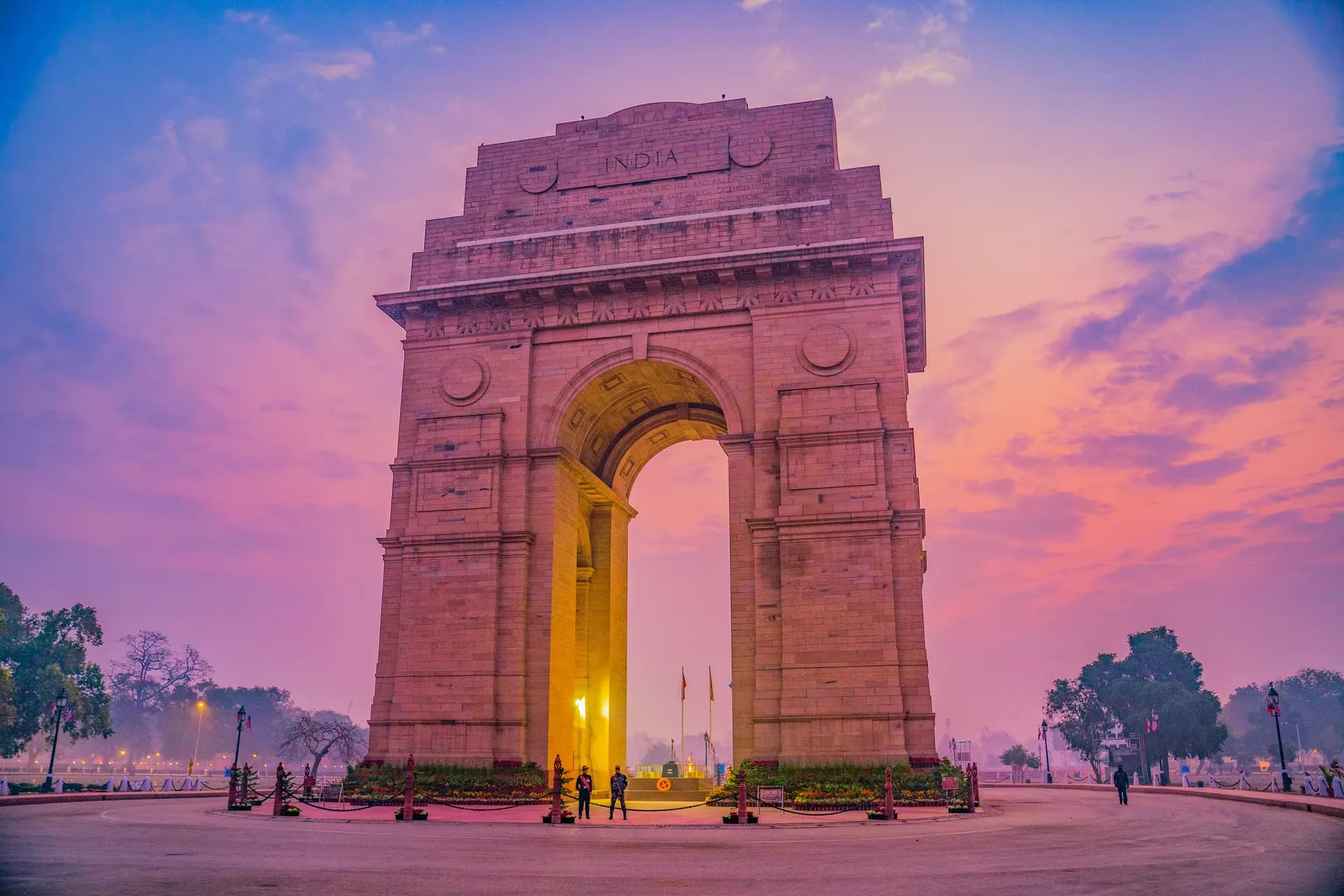
By July, the monsoon has typically spread across almost the entire country, including reaching Rajasthan and Delhi in the north-west, the last major region to receive it each year. Heavy, humid rain becomes the dominant feature of most itineraries this month, and it genuinely reshapes what a trip looks like — outdoor monument visits get interrupted by sudden downpours, roads can be affected in heavier-rainfall regions like the Western Ghats, and the classic Golden Triangle circuit is generally best avoided this month unless your dates are entirely fixed and non-negotiable.
It's worth understanding why the monsoon matters so much to daily life across India, beyond simply being an inconvenience for visitors. The monsoon rains that arrive by July are what much of the country's agriculture depends on for the entire year, and a strong, well-timed monsoon is genuinely good news nationally even as it complicates a July sightseeing trip. Locals in most regions welcome the rain's arrival after months of building heat, and there's a palpable sense of relief in the air even on days when the rain itself makes outdoor plans difficult.
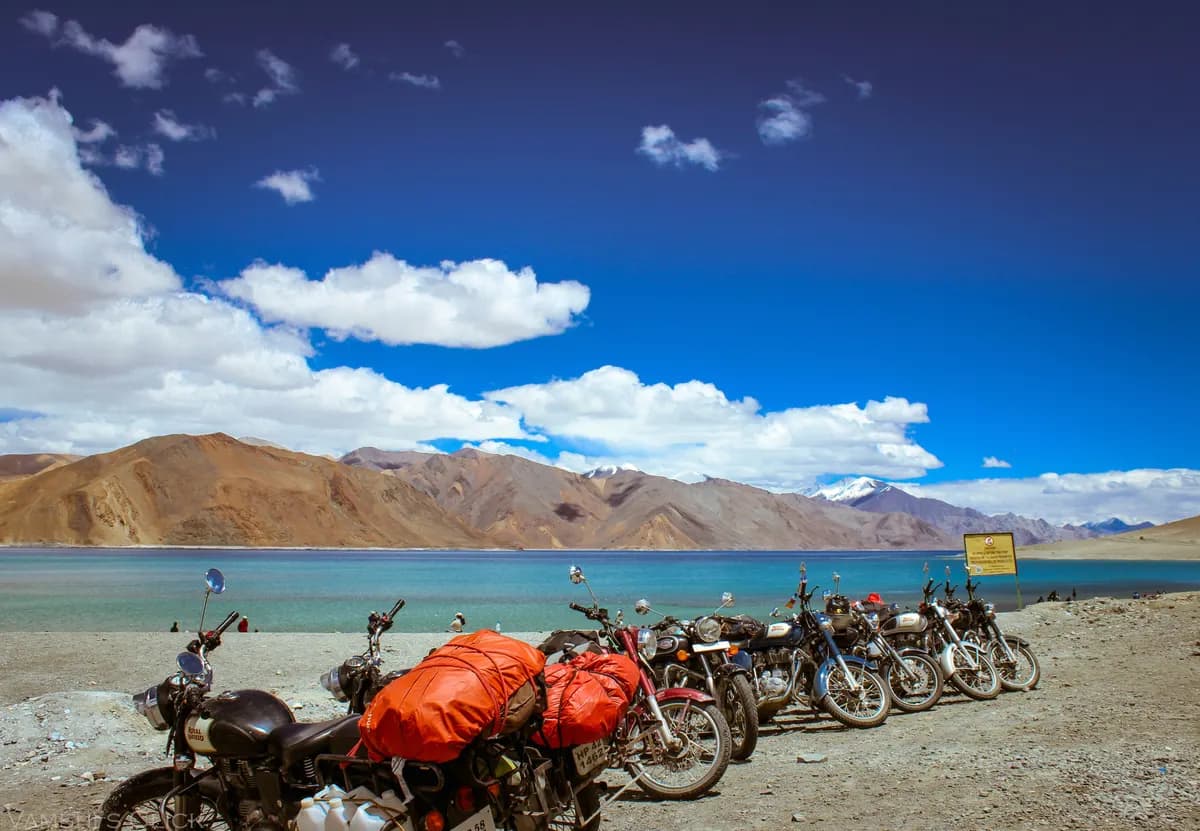
Leh & Ladakh remains the standout exception to all of this. Still firmly inside its dry season thanks to the rain shadow effect that protects it from the monsoon's moisture, July is one of the two or three best months of the year to visit — warm days, cool nights, fully open mountain passes, and none of the disruption affecting the rest of the country. The contrast between a July Ladakh trip and a July trip almost anywhere else in India could hardly be starker, and it's this exact contrast that makes Ladakh such a popular July destination for travellers whose dates fall within the traditional monsoon season.
Some travellers with rain-tolerant itineraries also head to the Western Ghats specifically for monsoon scenery — waterfalls in full flow, intensely green hillsides, and a dramatic, moody atmosphere that photographers in particular find genuinely compelling. This is a deliberate choice for a specific kind of trip rather than a substitute for a first-time India itinerary, and it suits travellers who've already done a conventional Golden Triangle circuit and are looking for something different on a return visit.
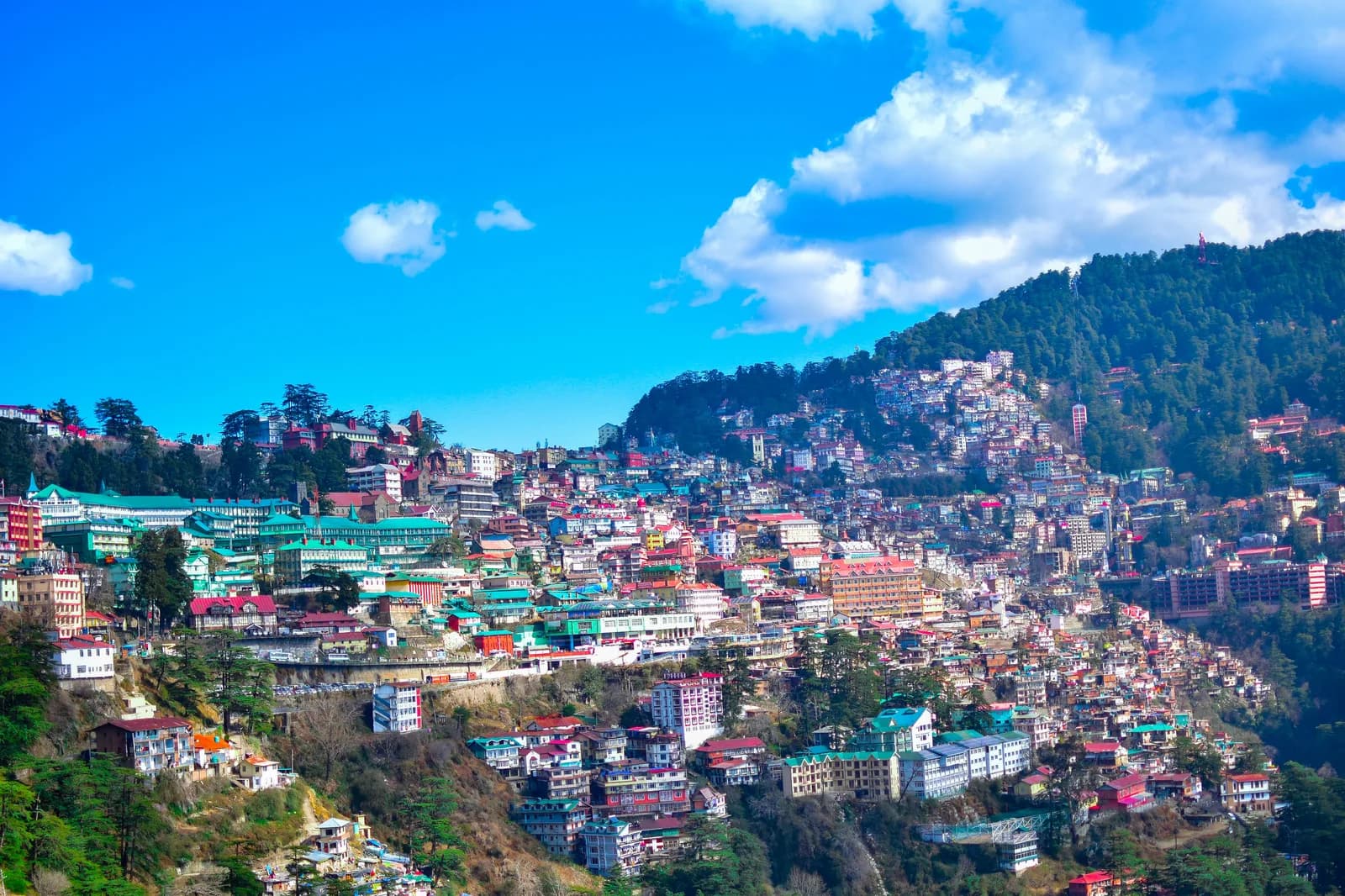
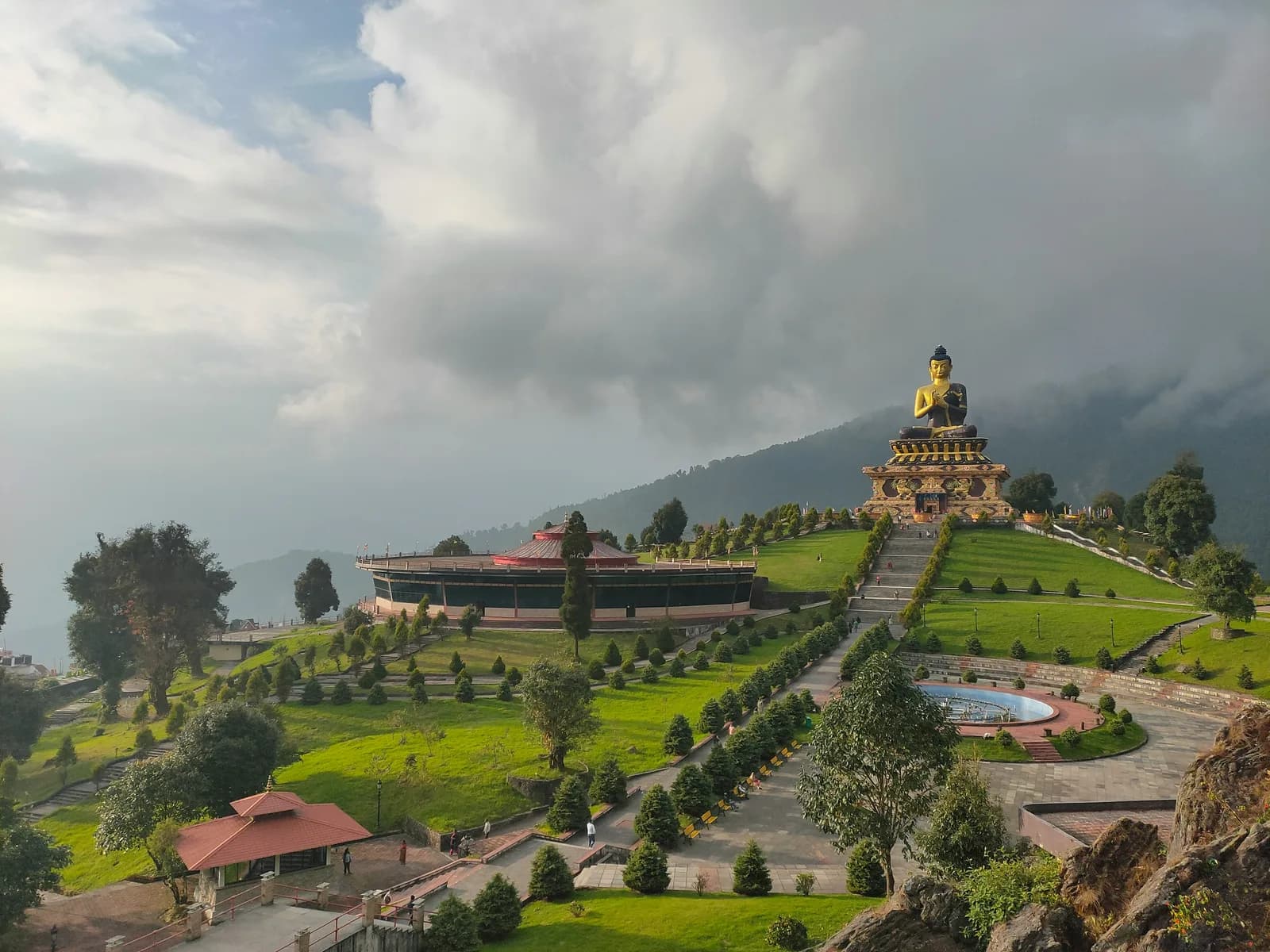
Himachal and Sikkim turn genuinely green and lush this month, though landslide risk on mountain roads rises meaningfully during heavy monsoon rainfall, and it's worth checking current route conditions before committing to a fixed itinerary through these regions in July. Kaziranga remains closed for the monsoon season, with the Brahmaputra flooding much of the park's grasslands, and won't reopen until the water recedes later in the year.
For travellers with genuinely fixed July dates who still want to see India, the honest recommendation is almost always Ladakh first, a monsoon-scenery-focused Western Ghats trip second for the adventurous, and a conventional plains-based Golden Triangle only as a distant third choice, accepted with clear eyes about the weather trade-offs involved. July rewards travellers who plan around the monsoon rather than against it.
It's worth adding a practical note about how July's off-season status affects the travel experience beyond just the weather itself. With far fewer international and domestic tourists moving through Rajasthan and Delhi this month, popular sights that feel crowded and rushed in November or January can feel genuinely spacious and calm in July, with guides and staff often more able to spend time answering questions in depth rather than managing large groups. For travellers who specifically value a quieter, more personal experience over ideal weather, this trade-off is worth genuine consideration rather than automatic dismissal.
Ladakh's July experience deserves a little more detail for travellers weighing whether to commit to it. By this point in the season, the region's full range of high-altitude routes and remote valleys are typically accessible, tourist infrastructure in Leh itself is running at full capacity with the widest range of accommodation and guide options available all year, and the days are long enough — this far into summer — to make the most of extended sightseeing without racing against an early sunset. The trade-off is that July also brings the region's own peak-season crowds and pricing, a small irony given how quiet the rest of the country becomes.
For travellers torn between committing fully to Ladakh or attempting a shortened, rain-tolerant version of a classic circuit, it helps to think about total trip value rather than any single day's weather. A well-planned Ladakh trip in July delivers close to its absolute best version of itself. A Golden Triangle trip attempted the same month delivers a compromised version of an itinerary that's genuinely better experienced in almost any other month of the year — the honest maths tends to favour choosing one region and doing it properly, rather than splitting a short trip across both.
Where to Go in July
Leh & Ladakh
One of the best months of the year — warm, dry, and fully open, entirely unaffected by the monsoon. Leh & Ladakh stands in complete contrast to almost everywhere else in the country this month.
Rajasthan & the Golden Triangle
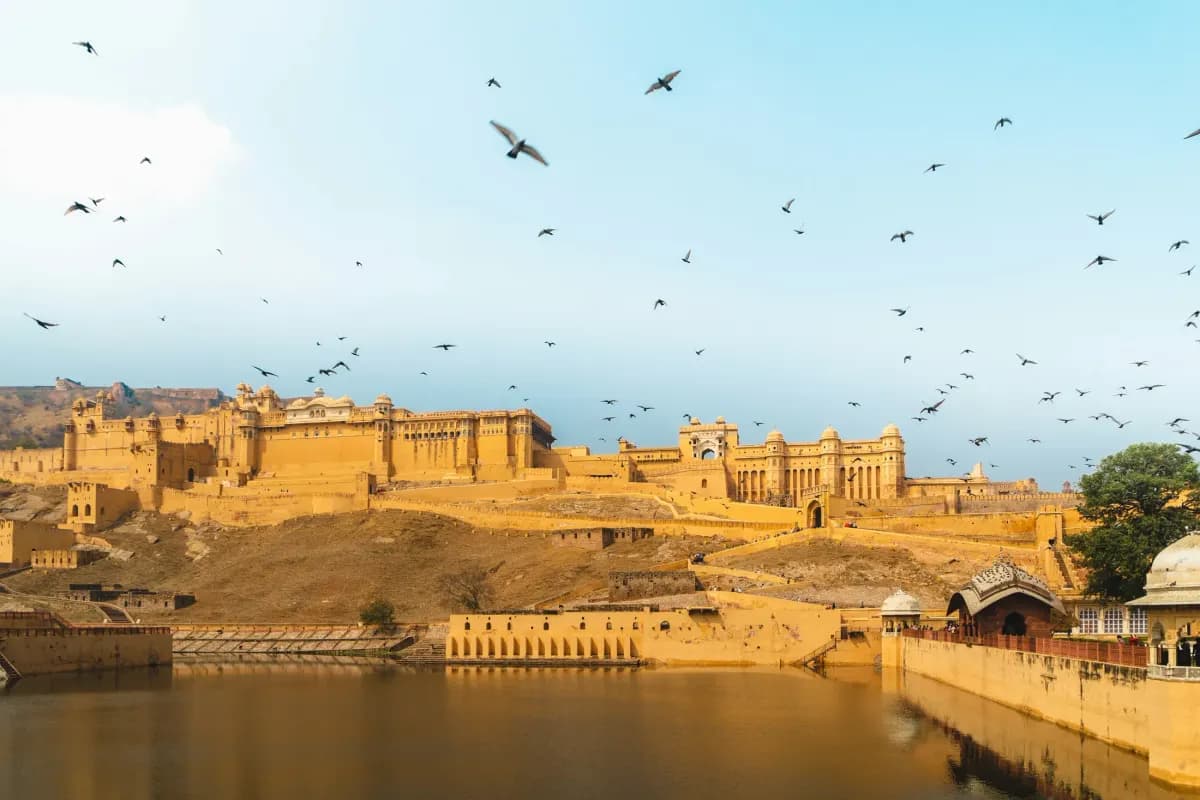
Monsoon typically active by now at Rajasthan and Delhi — hot, humid and wet; generally the weakest month of the year for this itinerary.
Kerala & the Western Ghats
Deep in the monsoon — dramatic waterfalls and intense greenery at Kerala for travellers who specifically want that experience, though ordinary beach and backwater plans are heavily disrupted.
Kaziranga
Closed for the monsoon season as the Brahmaputra floods much of the park — Kaziranga won't reopen until the water recedes, typically not before November.
Himachal & Sikkim
Green and lush, but landslide risk on mountain roads rises — check routes carefully before travelling through Himachal or Sikkim this month.
Srinagar & Kashmir
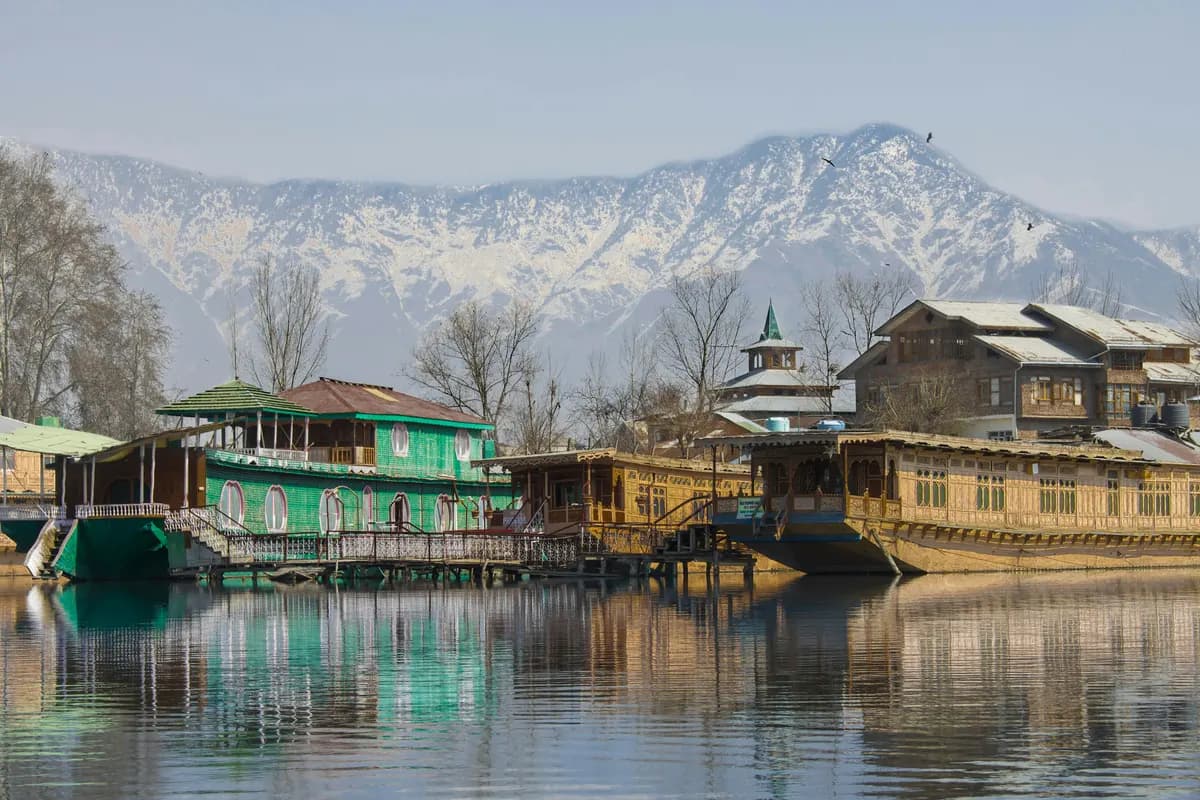
Warmer and greener than earlier in the summer, though monsoon showers are noticeably more frequent at Srinagar & Kashmir than in June.
Why Come to India in July
Ladakh's Continued Prime Season
Warm, dry and fully open, entirely unaffected by the monsoon disrupting the rest of the country — arguably the single best reason to travel anywhere in India this month.
Dramatic Monsoon Scenery
The Western Ghats in full monsoon flow offer waterfalls and intense greenery genuinely worth seeing, for travellers happy to plan around the rain.
Genuine Off-Season Value
Hotel rates across the plains and coasts drop meaningfully this month, rewarding travellers with flexible, rain-tolerant plans.
A Quieter, More Local Rhythm
With far fewer tourists nationally outside Ladakh, cities and sites feel noticeably calmer and more authentically local this month.
What's Happening in July
Rath Yatra celebrations continue
Regional chariot festival celebrations, most famously in Puri, Odisha, continue into July in parts of eastern India, drawing large crowds of pilgrims.
Guru Purnima
A day honouring teachers and spiritual guides, observed at ashrams and temples across the country, with particular significance in Hindu and Buddhist traditions alike.
Packing for July
July genuinely calls for a two-track packing strategy — proper monsoon gear if your route touches the plains, south or east, and standard warm-layer mountain clothing if you're heading to Ladakh, since the two experiences share almost nothing in common this month. Trying to pack a single wardrobe that works for both halves of the country tends to leave you underprepared for one or the other.
- A good quality rain jacket and a compact umbrella for monsoon-affected regions
- Quick-dry clothing that won't stay damp in humid conditions
- Waterproof or water-resistant footwear for wet streets and trails
- A warm layer for Ladakh's cool evenings, even in July's warmer months
- A dry bag or waterproof pouch for phones and documents
- Insect repellent — monsoon humidity brings more mosquitoes in affected regions
July has one clear standout, and a small handful of deliberate alternatives for travellers who specifically want the monsoon experience rather than avoiding it entirely.
Best Destinations for July
Tours to Book for July
July itineraries work best when built almost entirely around Ladakh, since it's genuinely the one region where the month's weather works in your favour rather than against you.
Popular Packages This Month
How July Compares
July is essentially June's monsoon pattern fully realised — where June saw the rains arriving and spreading, July sees them established and at full intensity nearly everywhere except Ladakh. Compared to August, the two months are close cousins, both sitting deep in peak monsoon, and the choice between them for a Ladakh trip specifically comes down to personal schedule rather than any meaningful weather difference. For travellers hoping to avoid the monsoon altogether, neither July nor August is the answer — October onward is where the classic dry season genuinely returns.
Common Questions
What travellers usually ask before planning a trip around July.
Can't find your answer? Our team responds within 2 hours on WhatsApp and within 12 hours by email.
Is July a bad time for a first trip to India?
For a classic Golden Triangle or beach-focused itinerary, generally yes — the monsoon disrupts most outdoor sightseeing across the country. If your dates are fixed to July, Ladakh is by far the strongest alternative.
Why does Ladakh avoid the monsoon that affects the rest of India?
Ladakh sits behind the main Himalayan range, which blocks most of the monsoon's moisture before it reaches the high-altitude Ladakh plateau — a genuine rain shadow effect that makes July one of its best months.
Is it safe to travel on mountain roads in July?
Landslide risk rises on some Himalayan routes during heavy monsoon rainfall, particularly in Himachal and Sikkim. We monitor conditions and adjust routes when needed — Ladakh's roads are generally unaffected.
Are flights and hotels cheaper in July?
Generally yes for the plains and coasts, since this is off-season for most of the country — though Ladakh, being in peak season, doesn't see the same discount.
Is monsoon scenery in the Western Ghats really worth seeing?
For travellers with a specific interest in it, yes — waterfalls in full flow and intensely green landscapes offer a genuinely different character from India's dry-season scenery, though it's a deliberate choice rather than a typical first-time itinerary.
Does the monsoon affect flights within India in July?
Occasionally — heavy rain can cause delays at some airports, particularly in the west and south, though it's rarely severe enough to disrupt a well-planned itinerary entirely.
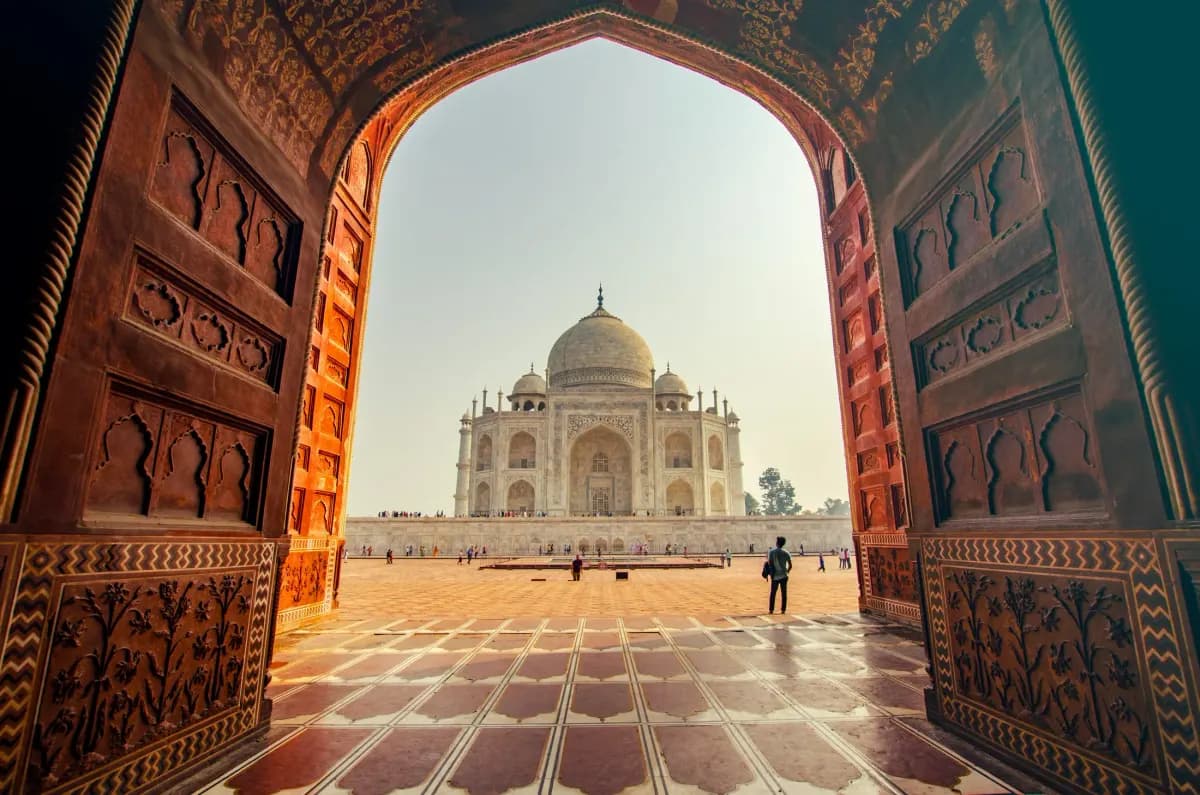
Is it actually calmer to visit crowded sights like the Taj Mahal in July?
Yes, noticeably — with tourist numbers well down from peak season, popular monuments feel genuinely more spacious, and guides often have more time to go into depth than during the busier winter months.
Is Ladakh more expensive in July than other months?
It sits within Ladakh's own peak season, so yes, relative to its shoulder months — though this is a small trade-off against a region that's genuinely at its best, and rates are still generally reasonable compared to peak-season Rajasthan in winter.
For a classic Golden Triangle or beach-focused itinerary, generally yes — the monsoon disrupts most outdoor sightseeing across the country. If your dates are fixed to July, Ladakh is by far the strongest alternative.
Ladakh sits behind the main Himalayan range, which blocks most of the monsoon's moisture before it reaches the high-altitude Ladakh plateau — a genuine rain shadow effect that makes July one of its best months.
Landslide risk rises on some Himalayan routes during heavy monsoon rainfall, particularly in Himachal and Sikkim. We monitor conditions and adjust routes when needed — Ladakh's roads are generally unaffected.
Generally yes for the plains and coasts, since this is off-season for most of the country — though Ladakh, being in peak season, doesn't see the same discount.
For travellers with a specific interest in it, yes — waterfalls in full flow and intensely green landscapes offer a genuinely different character from India's dry-season scenery, though it's a deliberate choice rather than a typical first-time itinerary.
Occasionally — heavy rain can cause delays at some airports, particularly in the west and south, though it's rarely severe enough to disrupt a well-planned itinerary entirely.
Yes, noticeably — with tourist numbers well down from peak season, popular monuments feel genuinely more spacious, and guides often have more time to go into depth than during the busier winter months.
It sits within Ladakh's own peak season, so yes, relative to its shoulder months — though this is a small trade-off against a region that's genuinely at its best, and rates are still generally reasonable compared to peak-season Rajasthan in winter.
Start Your Journey
Your July Trip Awaits.
Where Will You Go?
Tell us your travel dates and where you'd like to go — we'll build an itinerary around the right regions for that time of year, usually with a reply within 24 hours.