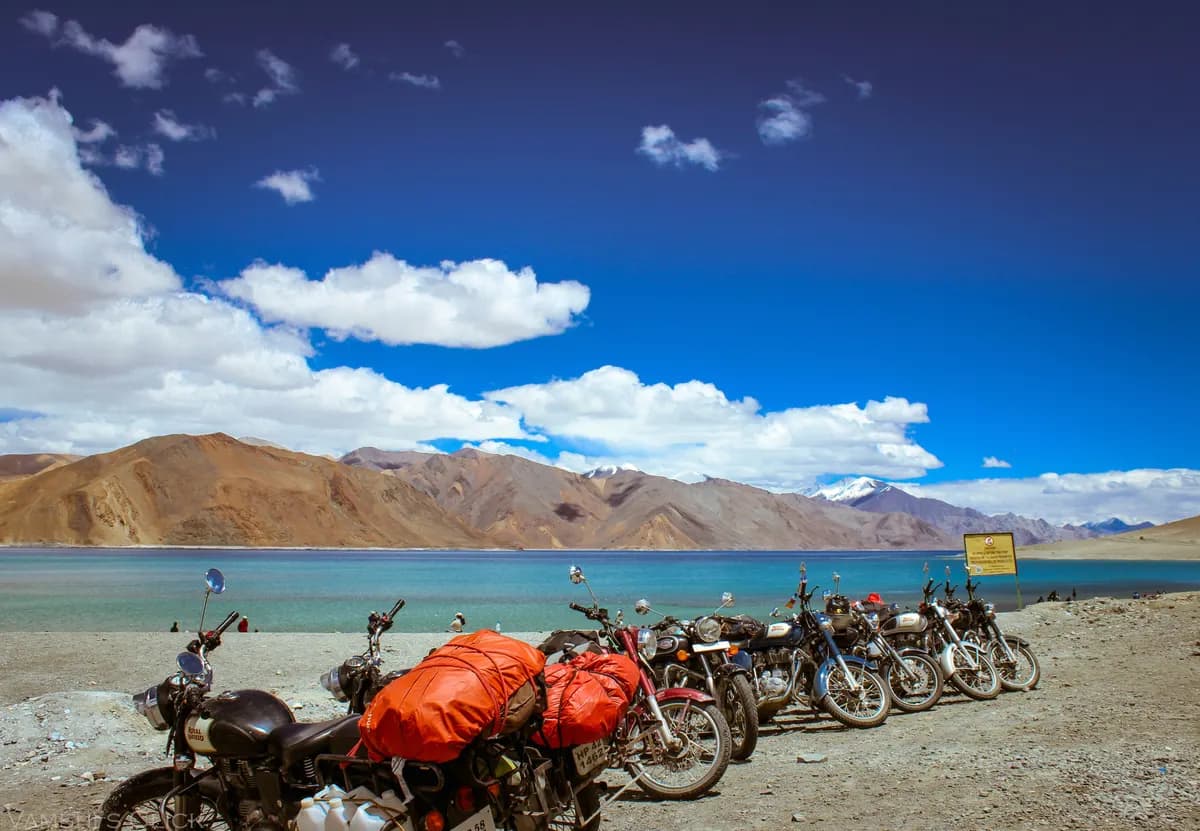
Leh & Ladakh — India's High-Altitude Desert
Turquoise lakes, sand dunes above 10,000 feet, and Buddhist monasteries older than most European cathedrals — Ladakh looks and feels like nowhere else in India.
Best Season
June to September
Ideal Trip Length
6 – 9 Days
Main Gateway
Leh (IXL)
Elevation
~3,500m (Leh town)
Leh & Ladakh — India's High-Altitude Desert
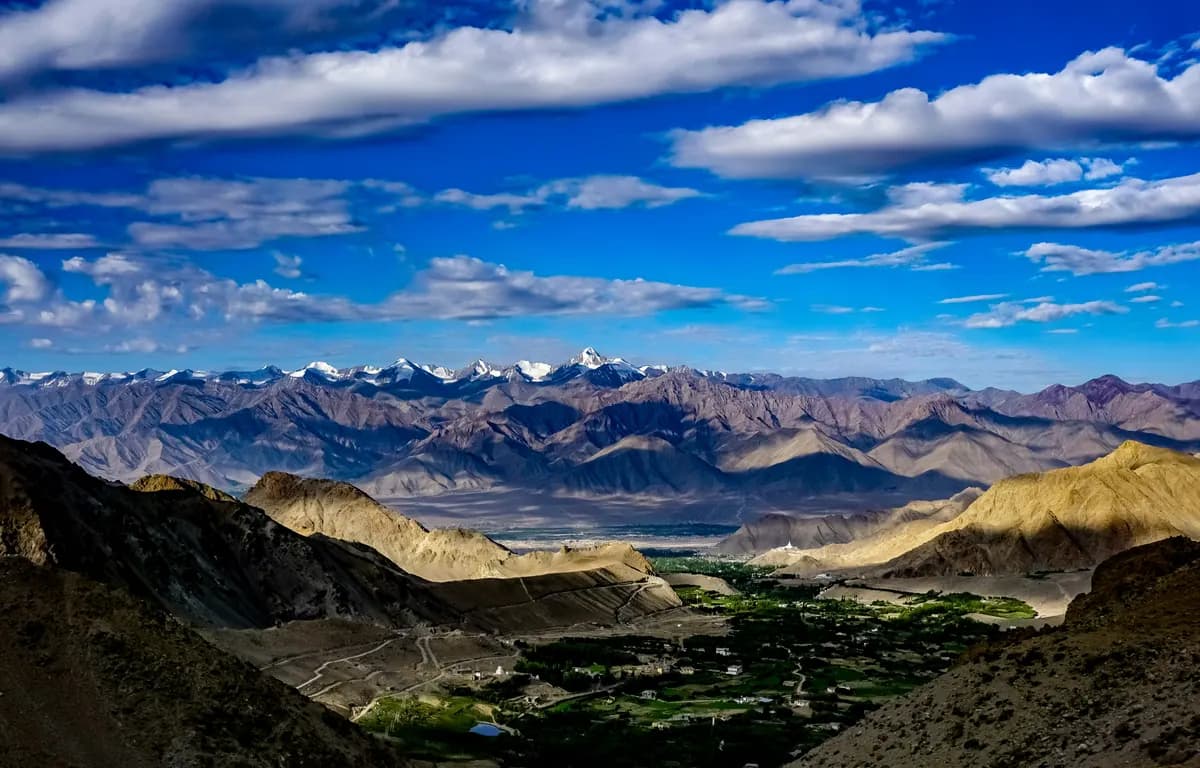
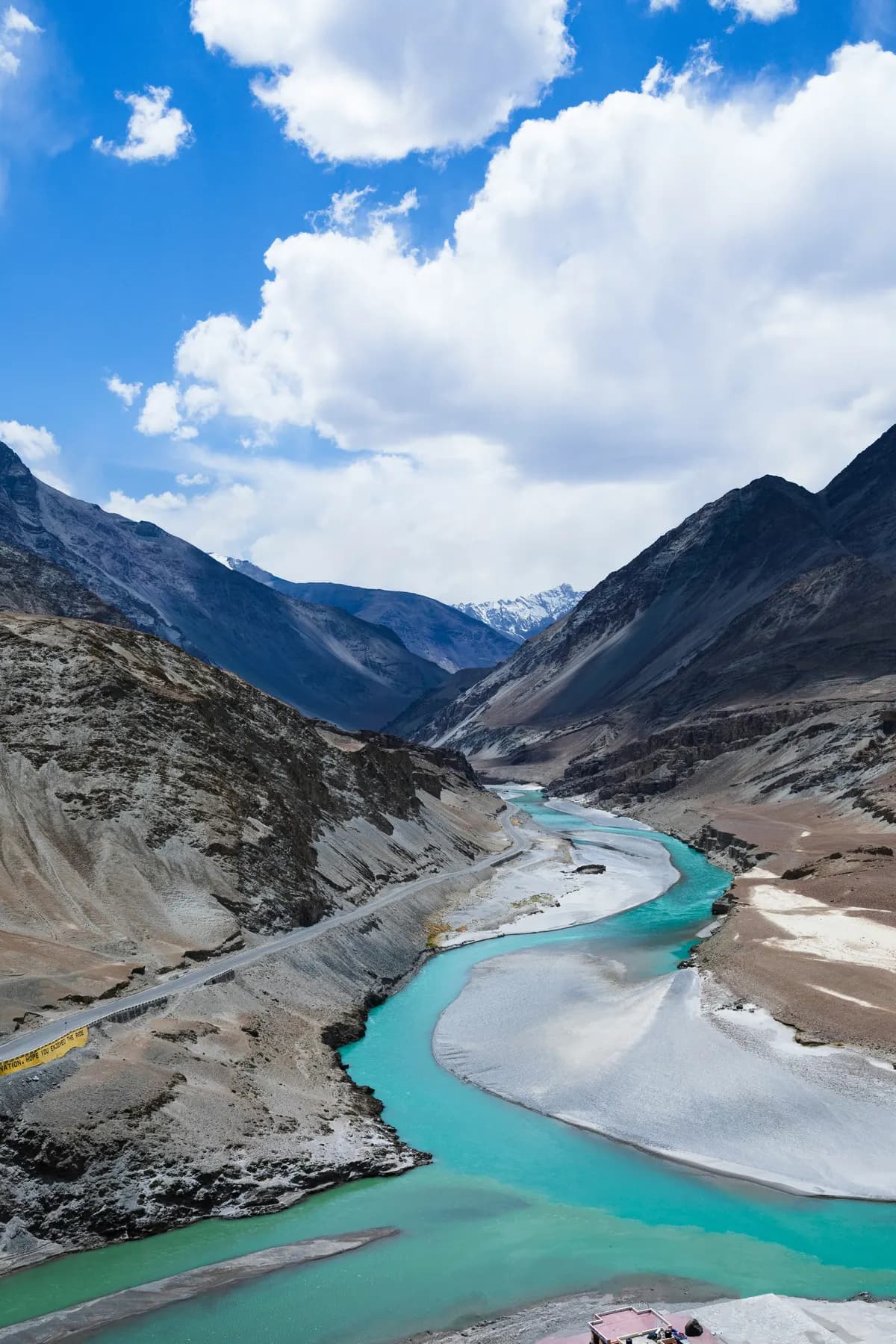
Ladakh sits in India's far north, in the rain shadow of the Himalayas — a high-altitude desert of bare mountains, glacial rivers and lakes that shift between deep blue and turquoise through the day. Culturally and visually, it has more in common with the Tibetan plateau than with the rest of India, shaped by centuries of Buddhist tradition still very much alive in its monasteries today. Where much of an India itinerary is defined by colour, density and history layered on history, Ladakh is defined by scale and emptiness — vast open valleys, distances that take real time to cross, and a silence that first-time visitors consistently describe as one of the most striking parts of the trip.
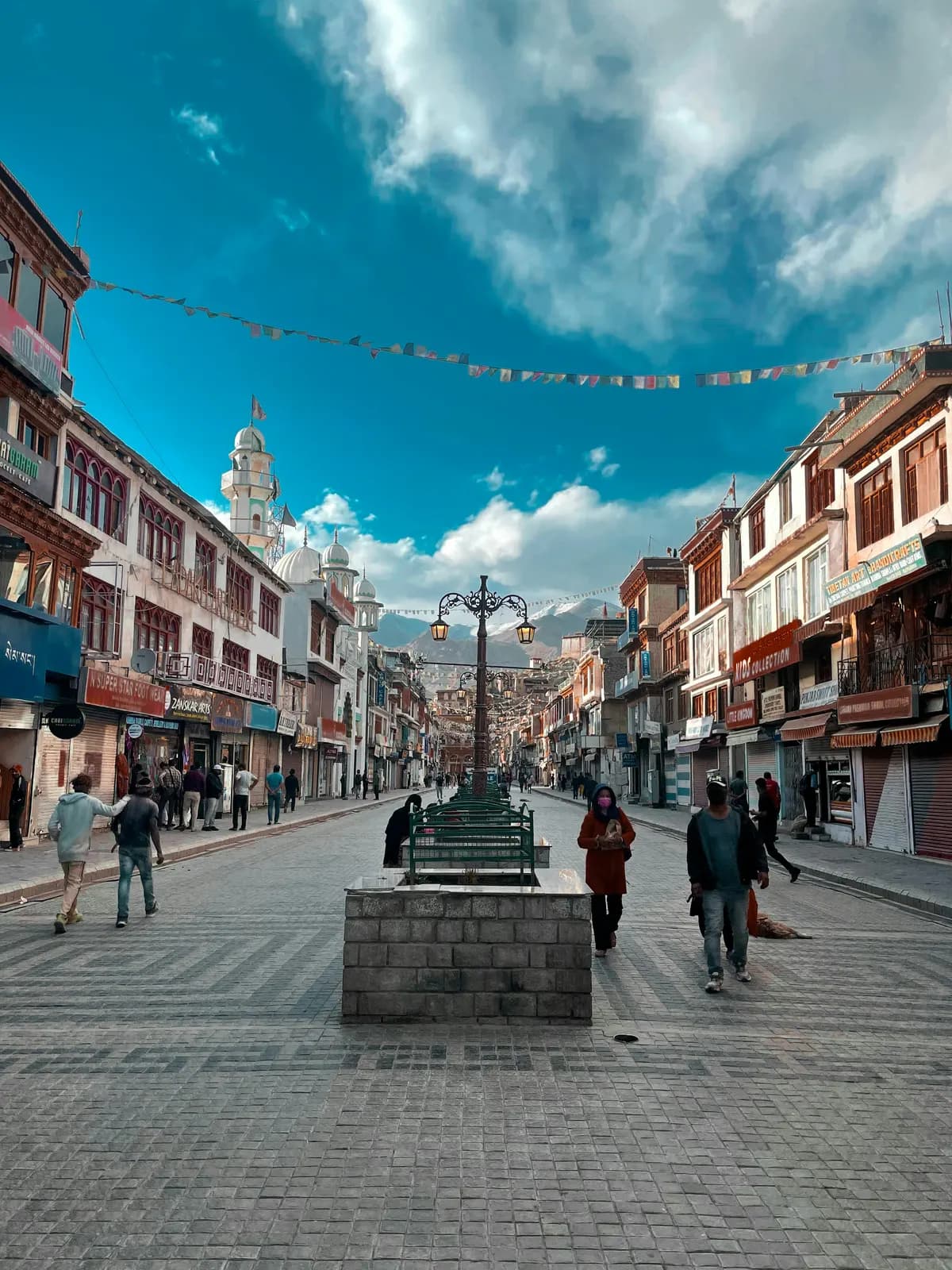
Leh town, at roughly 3,500 metres, is the natural base for exploring the wider region. Its old town and central market are framed by the ruins of the 17th century Leh Palace, built for the Namgyal dynasty in a style that clearly echoes Tibet's Potala Palace, and the surrounding hillsides are dotted with active monasteries — Thiksey and Hemis among the most significant — where daily prayers and rituals continue much as they have for centuries. From Leh, the region opens out toward Pangong Lake, whose colour shifts through the day as light moves across the water, and Nubra Valley, a cold desert of sand dunes and double-humped Bactrian camels reached by crossing Khardung La, one of the highest motorable passes in the world.
What makes Ladakh different from most of the rest of an India trip is the pace it asks of you. Altitude means the itinerary has to build in genuine rest and acclimatisation, not just sightseeing time — arriving in Leh and heading straight out to Pangong or Khardung La the same day is neither comfortable nor advisable. Travellers who give the region the time it needs tend to come away describing it as the most memorable leg of their entire India itinerary, precisely because nothing about it feels rushed or interchangeable with anywhere else in the country. It rewards travellers looking for landscape and quiet over density of sights, and pairs naturally with either Kashmir to the west or a wider Himalayan itinerary for those with the time to properly explore this part of the country.
What to See
Getting There
By Air
Leh Kushok Bakula Rimpochee Airport (IXL) is the fastest way in, with regular flights from Delhi. Most international itineraries fly in and acclimatise for a day or two before heading out to higher altitudes.
By Road
The Manali–Leh and Srinagar–Leh highways are among the most scenic road journeys in India, crossing some of the world's highest motorable passes — but both are only open roughly late May/June through September, and require 2 full days of driving each way.
Permits
Several areas — including Pangong Lake, Nubra Valley and Tso Moriri — sit close to sensitive border regions and require an Inner Line Permit for Indian nationals or a Protected Area Permit for foreign nationals. We handle the permit paperwork as part of planning your itinerary.
What Makes This Different
A Landscape Unlike Anywhere Else in India
High-altitude desert, turquoise lakes and snow-capped passes — Ladakh looks and feels closer to the Tibetan plateau than the rest of India.
Ladakhi Buddhist Culture
Centuries-old monasteries (gompas) at Thiksey, Hemis and Diskit remain active centres of Tibetan Buddhist practice, not museum pieces.
Some of the World's Highest Motorable Passes
Khardung La and other high passes draw travellers specifically for the experience of driving through them — a genuine bucket-list route for many visitors.
Genuinely Dark, Clear Night Skies
Minimal light pollution and high altitude make Ladakh one of the best places in India for stargazing, particularly around Nubra and Pangong.
A Slower, More Remote Pace
Far fewer visitors than Rajasthan or the Golden Triangle, and a noticeably different rhythm — this is a region that rewards a slower, less packed itinerary.
June to September is the Best Season
Both the Manali–Leh and Srinagar–Leh highways are only open roughly late May/June through September, and this window also brings the most manageable daytime temperatures for exploring at altitude. Outside this period, road access closes and most high-altitude sites become inaccessible.
Nearby & Related Destinations
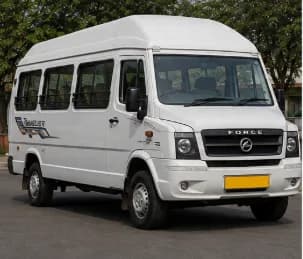
Getting Around by Private Car


Helpful Travel Guides
- India e-Visa Guide 2026Visa types, fees, stay limits and the e-Arrival Card.Read the guide
- India Health & Vaccination GuideGeneral health and vaccination guidance before you travel.Read the guide
- Getting Around India: Flights, Trains & RoadsHow to move between cities, and why a private driver works.Read the guide
Common Questions
Before you book Leh & Ladakh, here's what other travellers have asked.
Can't find your answer? Our team responds within 2 hours on WhatsApp and within 12 hours by email.
Is altitude sickness a real concern in Ladakh?
Yes — Leh sits at roughly 3,500 metres, and altitude sickness is a genuine risk for visitors arriving by air from sea level. We build at least one full rest day into every itinerary before any strenuous activity or travel to higher points like Khardung La or Pangong Lake, and recommend travellers speak with their doctor before the trip if they have any relevant health concerns.
When can we actually visit — is it open year-round?
The main travel season is June through September, when both road routes are open and daytime temperatures are manageable. Winter travel is possible by air but involves extreme cold and many sites become inaccessible.
Do we need a special permit to visit Pangong Lake or Nubra Valley?
Yes, both sit in protected border areas requiring an Inner Line Permit (Indian nationals) or Protected Area Permit (foreign nationals). We arrange this paperwork as part of your itinerary — no separate application needed on your end.
How many days should we plan for Ladakh?
6 to 9 days lets you properly cover Leh, Nubra Valley and Pangong Lake without rushing acclimatisation or long travel days between them. Shorter trips are possible but leave little room for the rest day altitude requires.
Yes — Leh sits at roughly 3,500 metres, and altitude sickness is a genuine risk for visitors arriving by air from sea level. We build at least one full rest day into every itinerary before any strenuous activity or travel to higher points like Khardung La or Pangong Lake, and recommend travellers speak with their doctor before the trip if they have any relevant health concerns.
The main travel season is June through September, when both road routes are open and daytime temperatures are manageable. Winter travel is possible by air but involves extreme cold and many sites become inaccessible.
Yes, both sit in protected border areas requiring an Inner Line Permit (Indian nationals) or Protected Area Permit (foreign nationals). We arrange this paperwork as part of your itinerary — no separate application needed on your end.
6 to 9 days lets you properly cover Leh, Nubra Valley and Pangong Lake without rushing acclimatisation or long travel days between them. Shorter trips are possible but leave little room for the rest day altitude requires.
Itinerary planned by Dhruv Poonia, Digital & Marketing Manager
Start Your Journey
Your Journey to Leh & Ladakh Awaits.
When Will You Go?
Tell us how many days you have and what you'd like to see — we'll reply with a tailored itinerary and quote, usually within 24 hours.