Kolkata — India's Cultural Capital
Grand colonial architecture, a genuine literary and artistic tradition, and Bengali cuisine that stands apart from anywhere else in India.
Best Season
October to March
Ideal Trip Length
2 – 3 Days
Main Gateway
Kolkata (CCU)
Languages Spoken
English, Bengali, Hindi
India's Cultural Capital
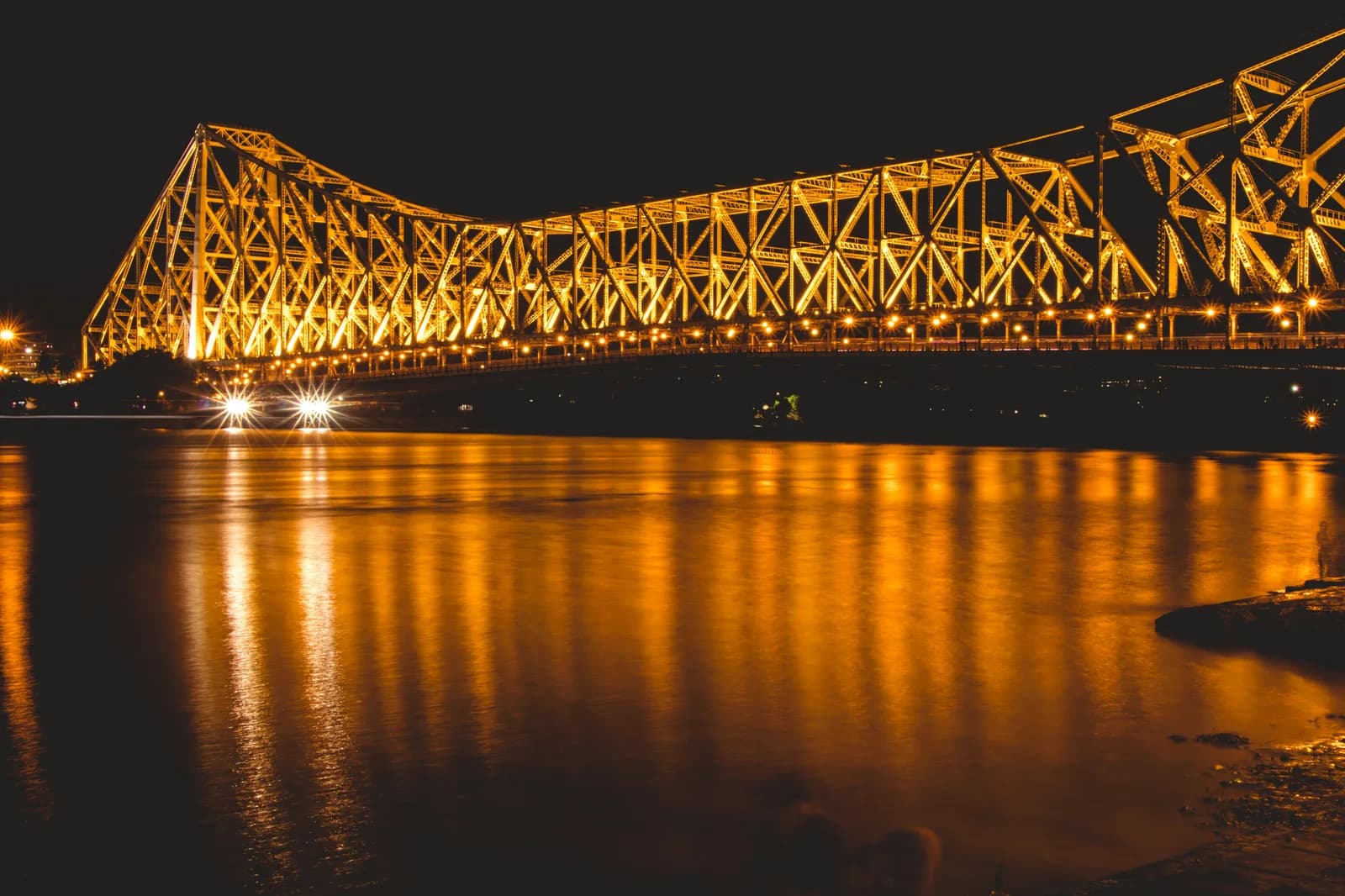
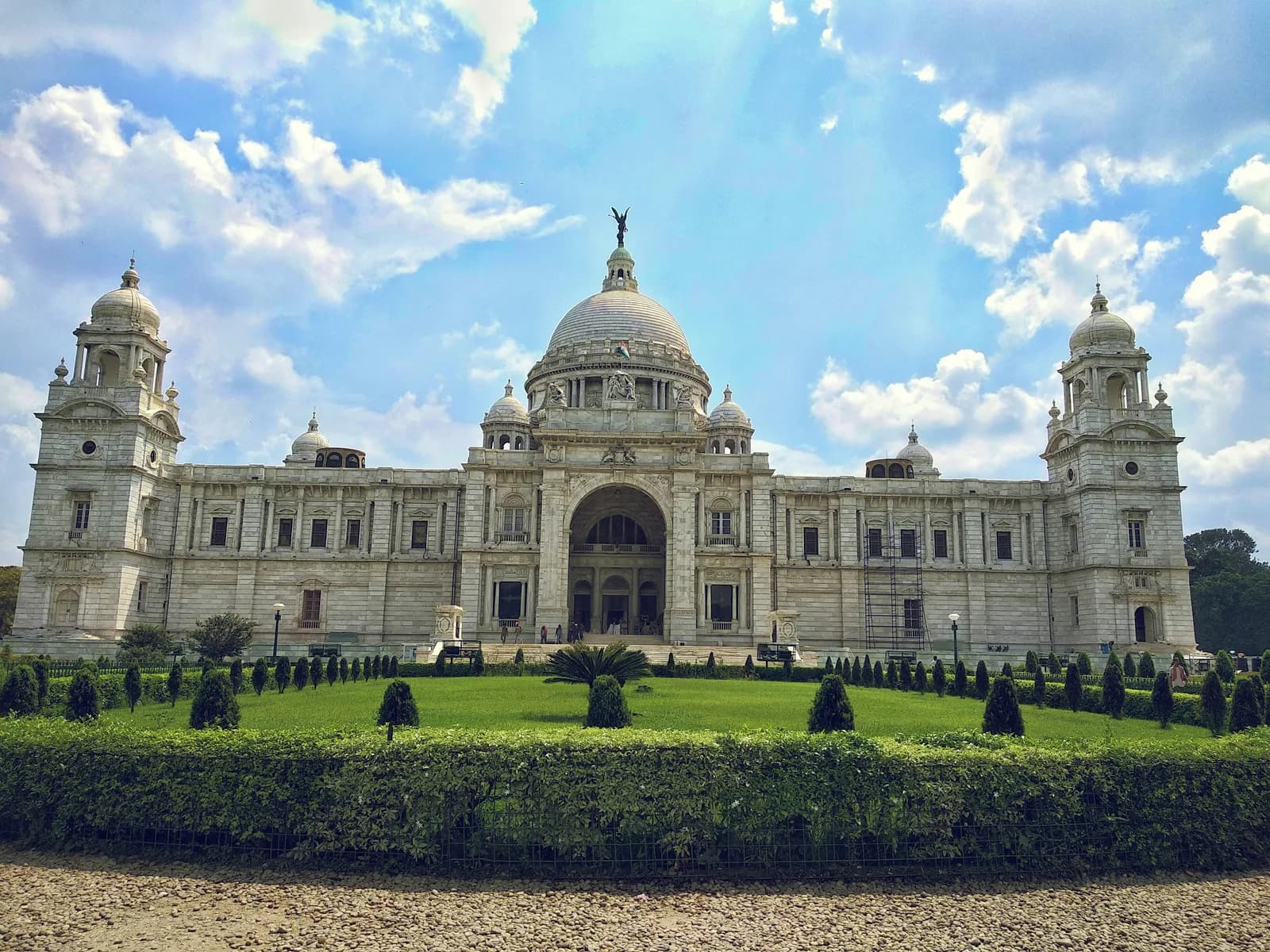
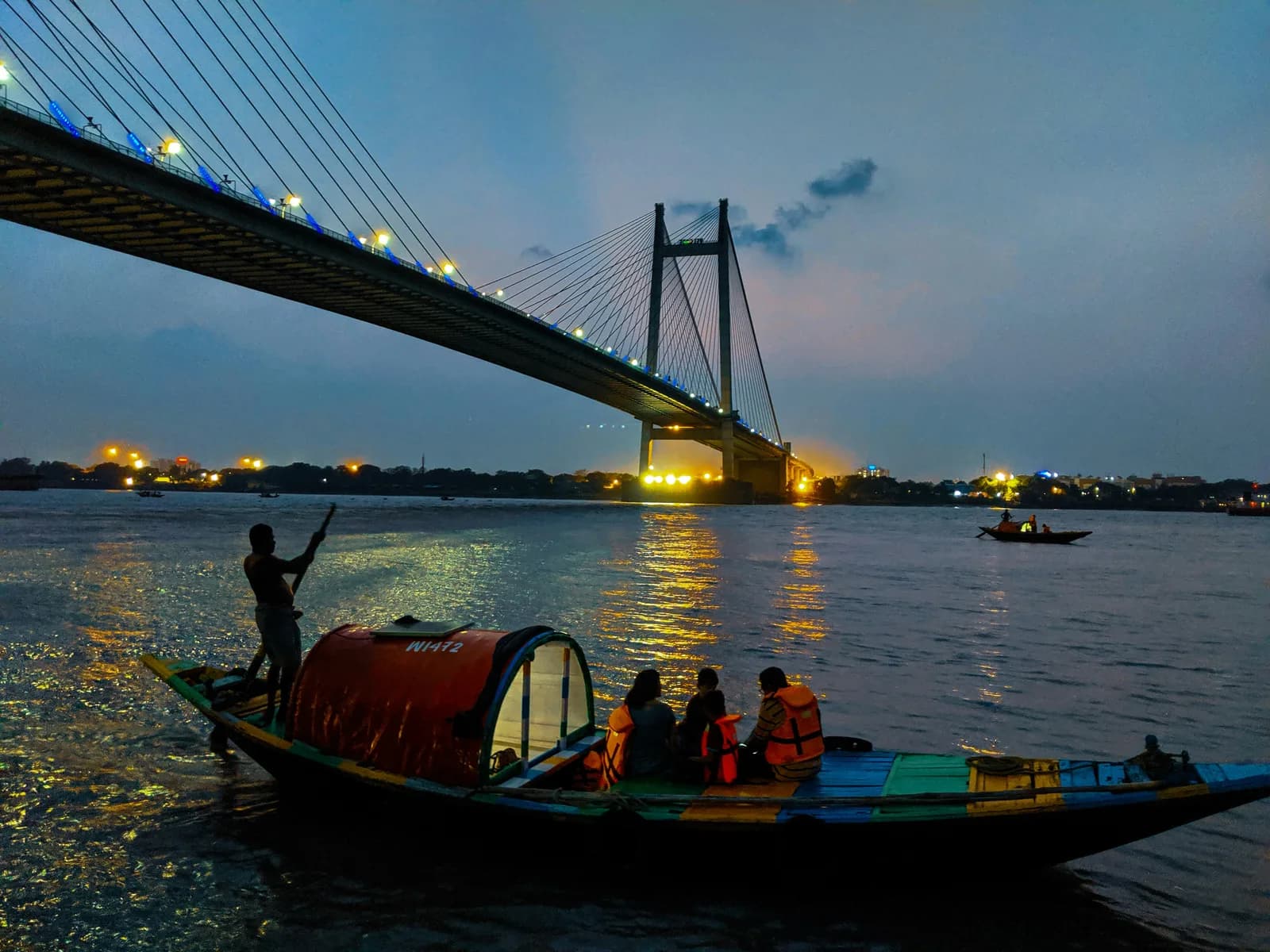
Kolkata served as the capital of British India until 1911, and that history is still written across the city's architecture — grand colonial buildings standing alongside slowly crumbling, genuinely atmospheric mansions, nowhere more evident than at the Victoria Memorial, a vast white marble monument completed in 1921 and set within landscaped gardens. Howrah Bridge, one of the busiest cantilever bridges in the world, adds a different kind of landmark entirely — most striking at dawn or dusk, when the Hooghly River beneath it fills with fishing boats and ferry traffic, while Vidyasagar Setu, a newer cable-stayed crossing further south, offers a striking modern counterpoint.
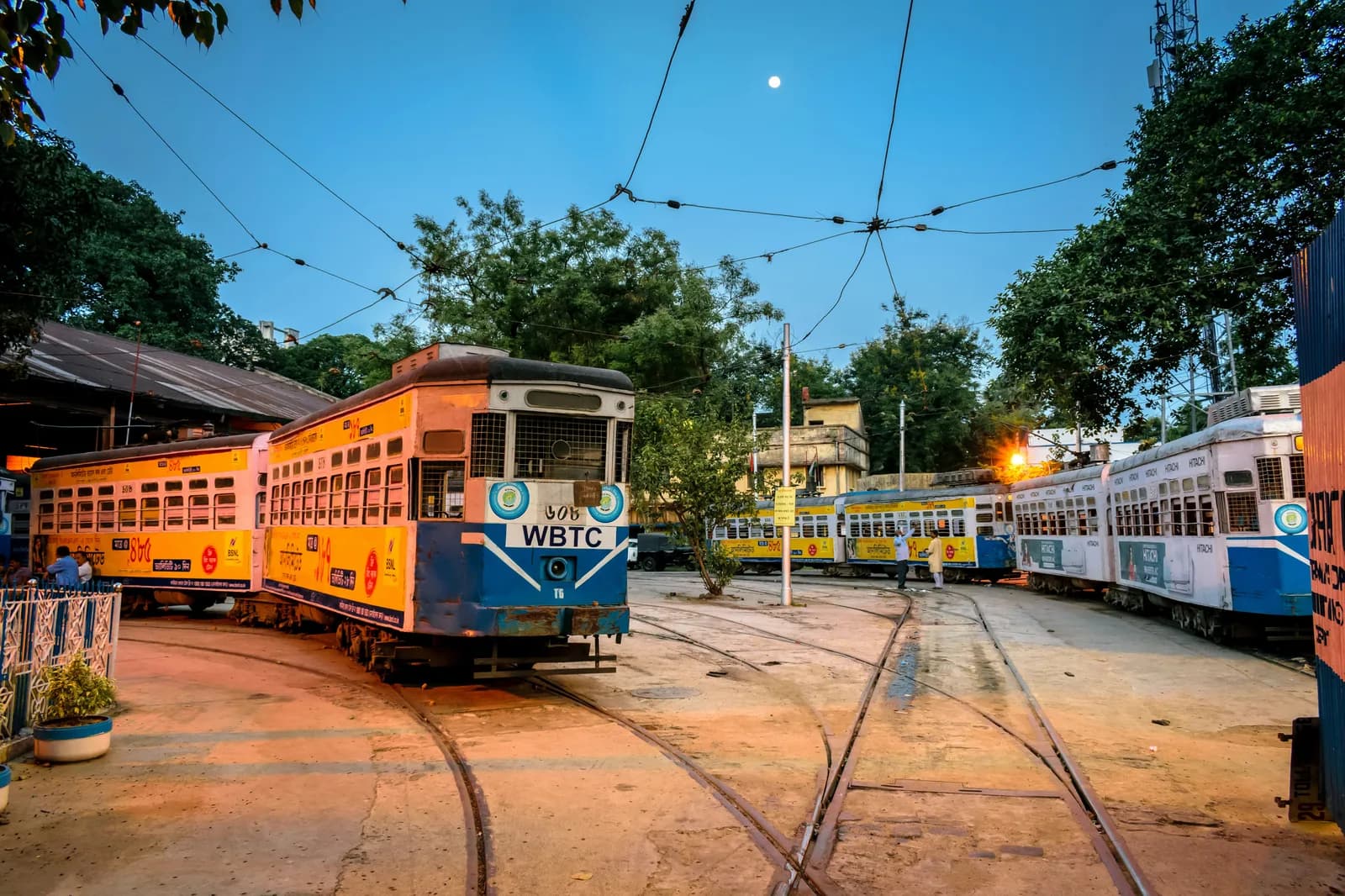
What sets Kolkata apart from India's other major cities is how genuinely active its cultural life remains, rather than existing purely as history. The city is the last in India with an operational tram network, running since 1902, and riding one through the older neighbourhoods is a genuinely rare way to experience Kolkata's pace — a legacy that sits alongside a real intellectual and literary scene still centred on Nobel laureate Rabindranath Tagore's legacy and a strong Bengali cinema tradition. A fish-forward Bengali cuisine, sweets like rosogolla and sandesh, and — if your dates align — the spectacular autumn Durga Puja festival round out a city that works well either as a 2 to 3 day stop on its own or as a natural gateway before continuing on to Darjeeling or Sikkim.
What to See
Getting There
By Air
Netaji Subhas Chandra Bose International Airport (CCU) is well connected to Delhi, Mumbai and other major Indian cities, with some direct international routes.
Typical Pairing
Most commonly visited as part of a wider Eastern India itinerary alongside Darjeeling or Sikkim, or as a connection point for Northeast India.
Getting Around
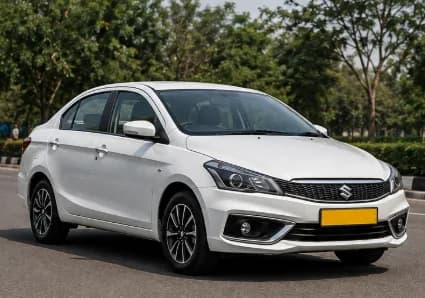
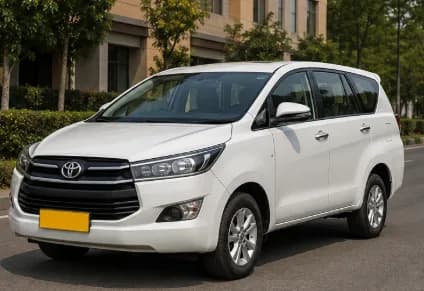
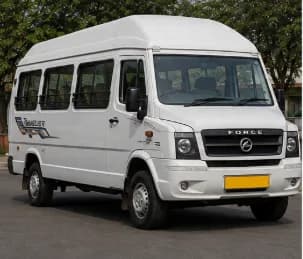
Kolkata's traffic can be heavy, particularly in the old city — a private driver handles this comfortably, and the metro is a useful backup for direct routes.
What Makes This Different
India's Former Colonial Capital
Kolkata served as the capital of British India until 1911, and its architecture — grand colonial buildings alongside crumbling, atmospheric mansions — reflects that history directly.
A Genuine Centre of Indian Arts and Literature
Home to Bengali cinema, Nobel laureate Rabindranath Tagore, and a literary café culture that remains active today, not just historical.
Durga Puja, One of India's Great Festivals
Kolkata's autumn Durga Puja is one of India's most spectacular festivals, with elaborately decorated pandals (temporary shrines) filling the city for several days.
A Genuinely Distinct Bengali Cuisine
Fish-forward Bengali cuisine, sweets like rosogolla and sandesh, and a strong tea and coffee house culture set Kolkata's food scene apart from the rest of India.
An Easy Gateway to Northeast India
Kolkata's international airport and rail connections make it a practical stop before continuing on to Darjeeling, Sikkim or Assam.
October to March is the Best Season
Cooler, more comfortable weather makes this the best window for exploring the city on foot. Summer brings intense heat and humidity, and the monsoon (June to September) brings heavy rainfall.
Nearby & Related Destinations
Getting Around by Private Car
Common Questions
Straight answers to the questions Kolkata travellers actually ask.
Can't find your answer? Our team responds within 2 hours on WhatsApp and within 12 hours by email.
How many days should we plan for Kolkata?
2 to 3 days is usually enough to see the Victoria Memorial, Howrah Bridge, College Street and get a genuine feel for the city's colonial and cultural history.
Is Kolkata worth visiting if we're not continuing to Darjeeling or Sikkim?
Yes — Kolkata has enough colonial architecture, food culture and genuine city character to stand on its own, though it's most commonly combined with an Eastern India or Northeast India itinerary given its role as a natural gateway.
What's the best time of year to visit?
October through March offers the most comfortable weather. If your dates align with autumn, visiting during Durga Puja (usually September or October) shows the city at its most spectacular, though it's also considerably more crowded.
Can Kolkata be combined with Varanasi in one trip?
Yes — both are connected by rail and short flights, and pairing the two adds two genuinely different but equally historic Indian cities to a single itinerary.
2 to 3 days is usually enough to see the Victoria Memorial, Howrah Bridge, College Street and get a genuine feel for the city's colonial and cultural history.
Yes — Kolkata has enough colonial architecture, food culture and genuine city character to stand on its own, though it's most commonly combined with an Eastern India or Northeast India itinerary given its role as a natural gateway.
October through March offers the most comfortable weather. If your dates align with autumn, visiting during Durga Puja (usually September or October) shows the city at its most spectacular, though it's also considerably more crowded.
Yes — both are connected by rail and short flights, and pairing the two adds two genuinely different but equally historic Indian cities to a single itinerary.
Itinerary planned by Dhruv Poonia, Digital & Marketing Manager
Start Your Journey
Your Journey to Kolkata Awaits.
When Will You Go?
Tell us how many days you have and what you'd like to see — we'll reply with a tailored itinerary and quote, usually within 24 hours.