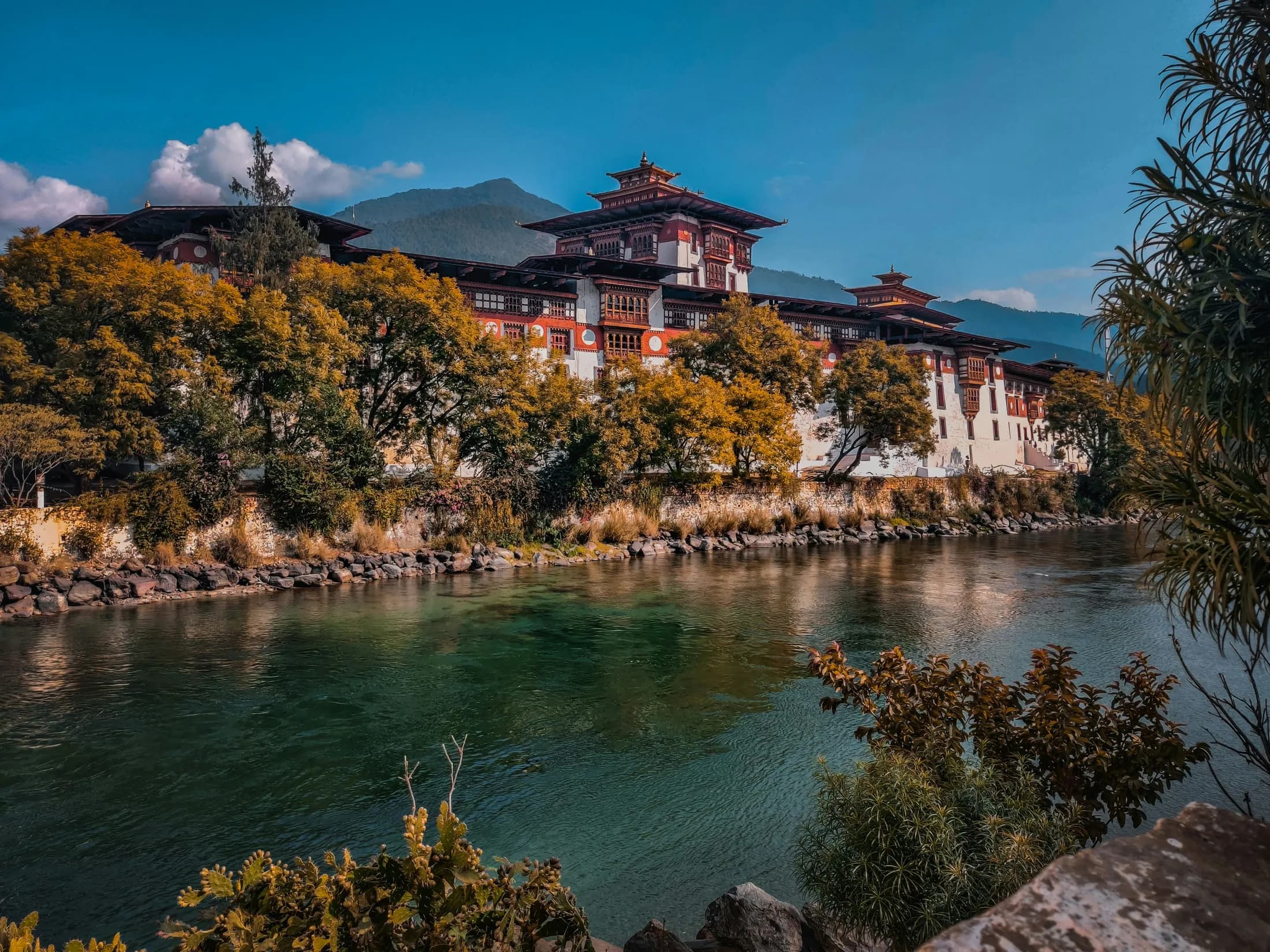
Punakha — Bhutan's Former Capital
A riverside dzong widely considered the most beautiful in Bhutan, reached by a scenic drive over the Dochula Pass into the country's warmest valley.
Best Season
Year-Round (Feb–Apr for Jacaranda Bloom)
Ideal Trip Length
1 – 2 Days
Main Gateway
~3 hr drive from Thimphu via Dochula Pass
Languages Spoken
Dzongkha, English
Bhutan's Former Capital
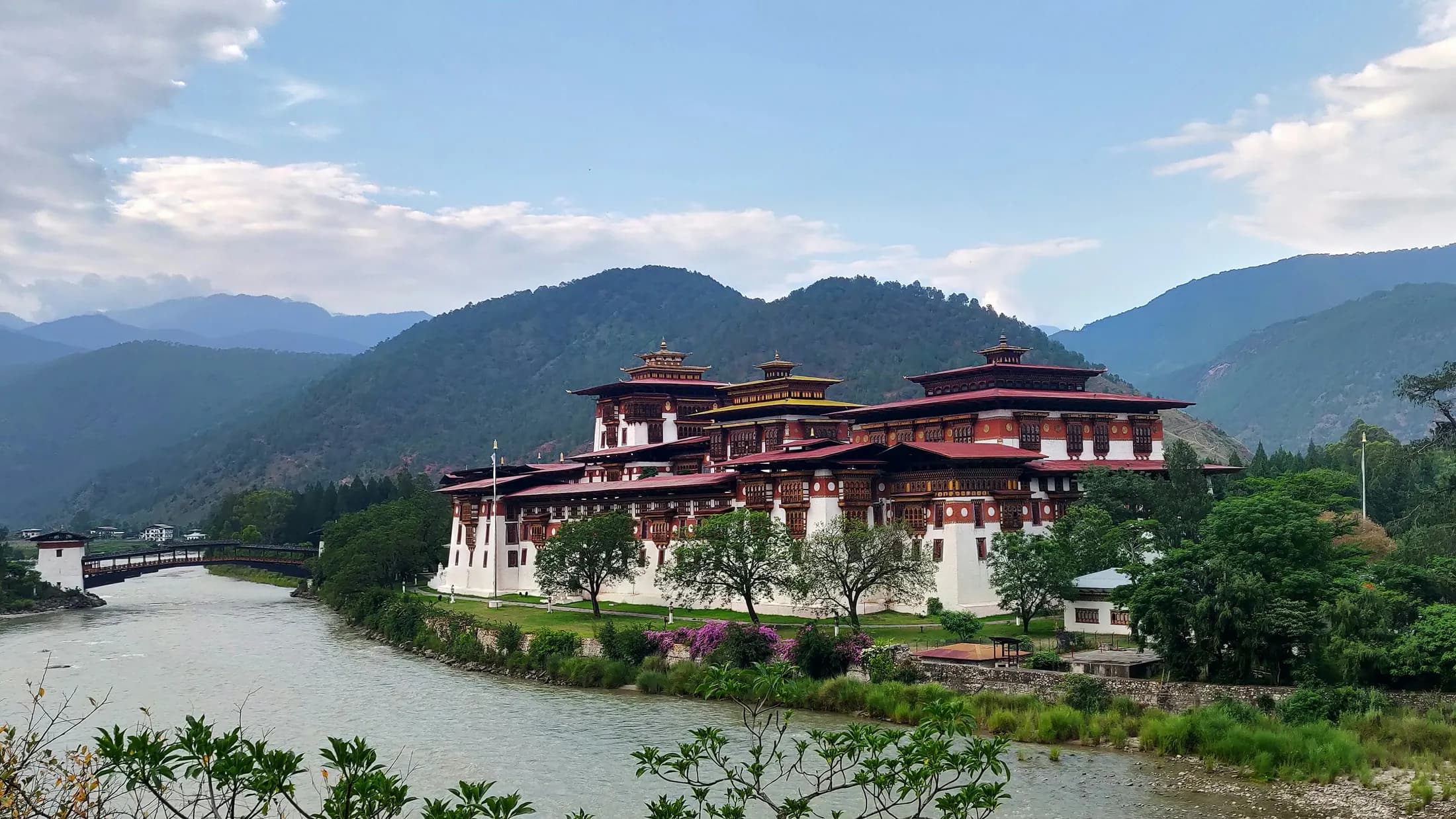
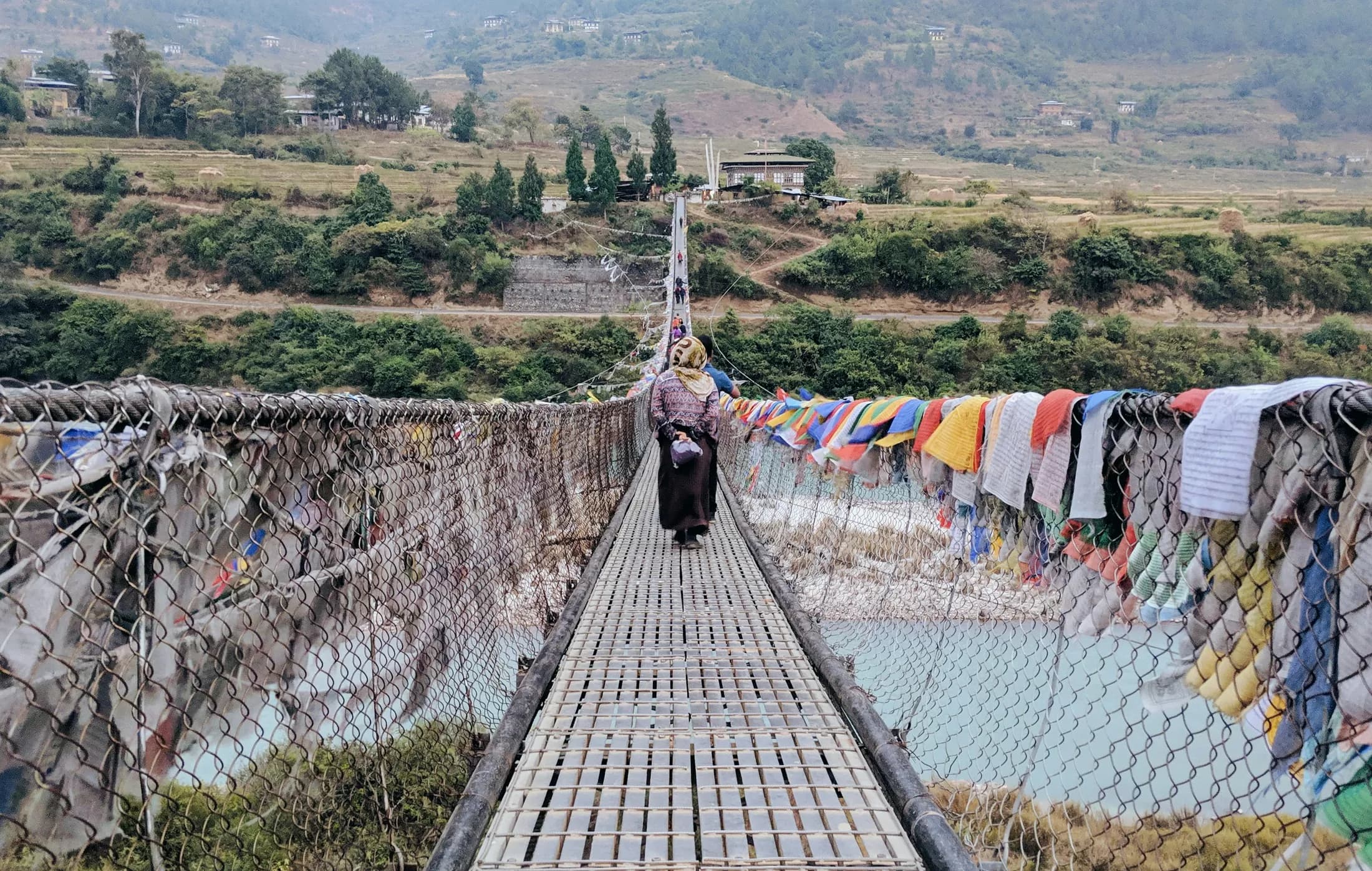
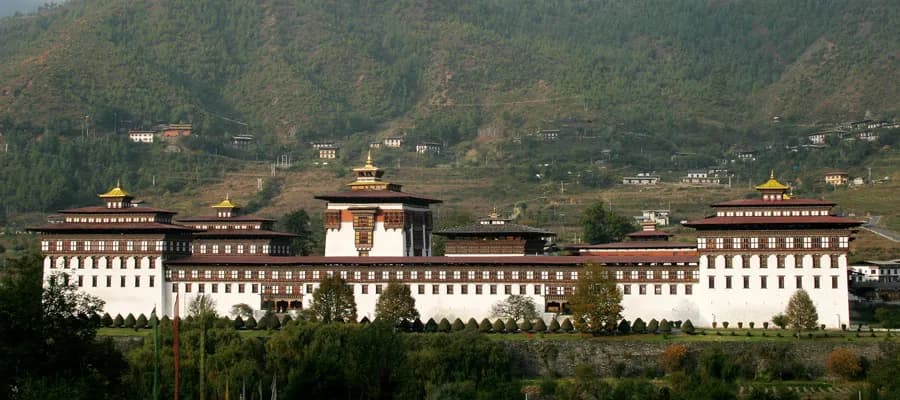
Punakha served as Bhutan's capital until the 1950s, and it's easy to see why the site was chosen: Punakha Dzong sits directly at the confluence of the Pho Chhu and Mo Chhu rivers, a 17th-century fortress whose scale and setting make it widely regarded as the most beautiful dzong in the entire country. It remains the winter residence of Bhutan's central monastic body and continues to host royal weddings. A 160-metre suspension bridge, the longest in Bhutan and strung with prayer flags, crosses the Pho Chhu just below the fortress, connecting it to the surrounding farmland.
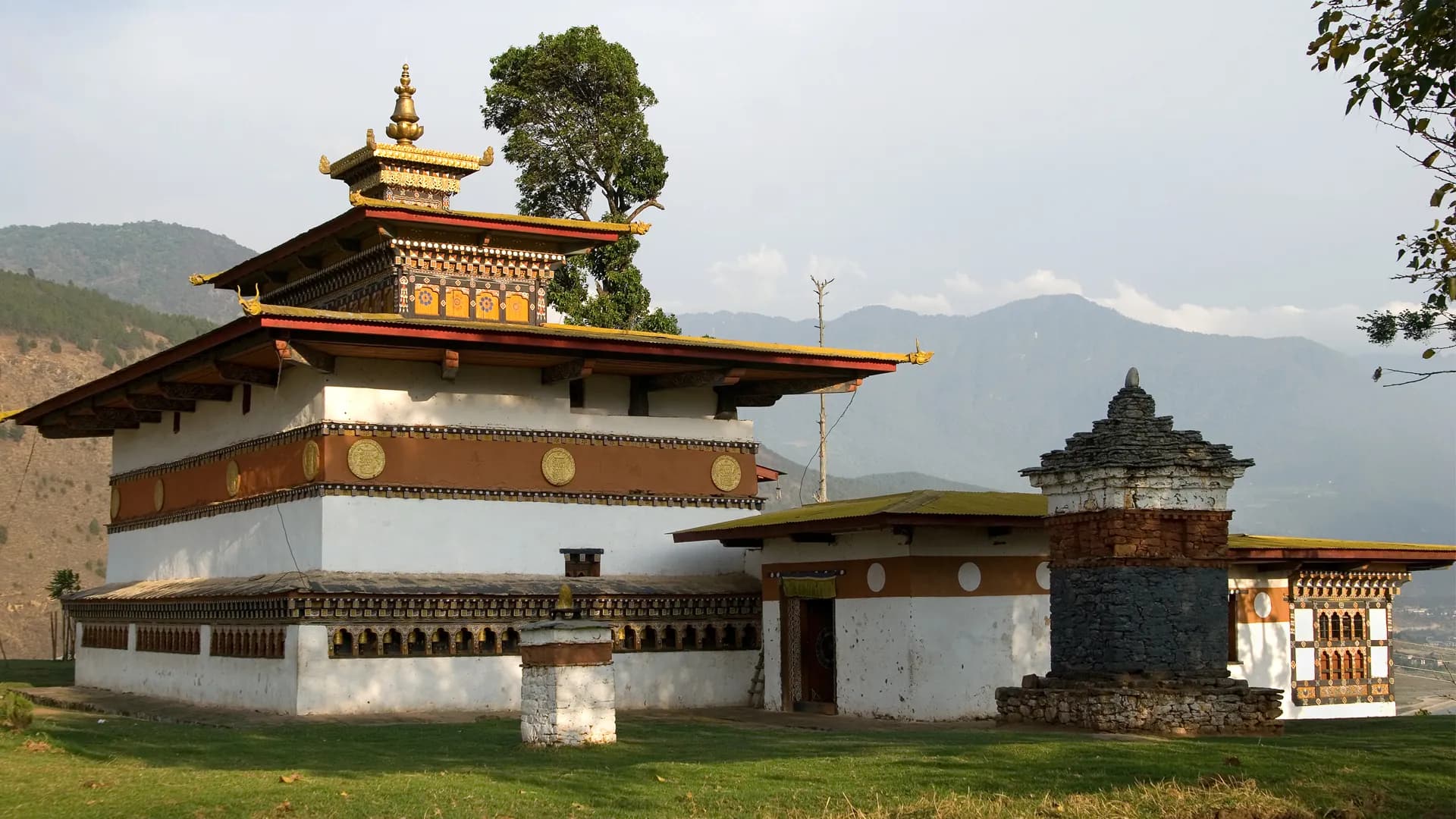
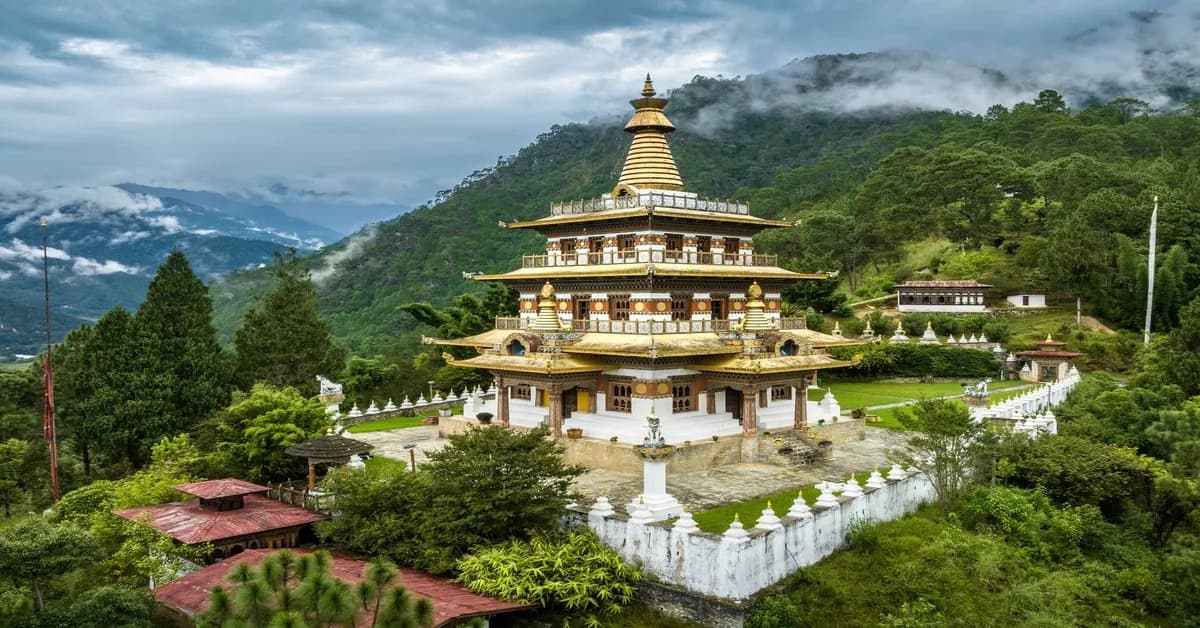
The valley itself sits at a noticeably lower altitude than Thimphu or Paro, giving it a milder, almost subtropical climate and a landscape of rice terraces rather than pine-forested ridges. A short walk through the paddies leads to Chimi Lhakhang, a fertility temple built in honour of the “Divine Madman” Lama Drukpa Kunley, while the hilltop Khamsum Yulley Namgyal Chorten offers wide views back over the Mo Chhu valley. The journey in is part of the experience too: the roughly 3-hour drive from Thimphu crosses the Dochula Pass, a 3,100-metre viewpoint marked by 108 memorial chortens and, on a clear day, a wide Himalayan panorama.
What to See
Getting There
By Road from Thimphu
A roughly 3 hour drive from Thimphu over the Dochula Pass, a 3,100 metre viewpoint marked by 108 memorial chortens and, on a clear day, a wide Himalayan panorama.
No Airport
Punakha has no airstrip of its own — all visitors arrive by road, usually as part of a wider Bhutan circuit connecting Paro, Thimphu and Punakha.
Sustainable Development Fee & Licensed Guide
As with the rest of Bhutan, most foreign visitors travel with a licensed local guide and pay a daily Sustainable Development Fee, both arranged through a registered tour operator.
What Makes This Different
Widely Considered Bhutan's Most Beautiful Dzong
Punakha Dzong's setting at the confluence of two rivers, combined with its scale and preservation, makes it the standout fortress even in a country full of them.
A Warmer, Lower-Altitude Valley
At a lower elevation than Thimphu or Paro, Punakha has a milder, almost subtropical climate, making it a comfortable stop even in Bhutan's cooler months.
A Historic Capital
Punakha served as Bhutan's capital until the 1950s and remains the winter residence of the central monastic body, giving it deep continuing significance beyond its scenery.
The Dochula Pass Drive Itself
The journey from Thimphu is as memorable as the destination, climbing to 108 memorial chortens with a wide Himalayan panorama on a clear day.
A Genuinely Different Landscape
Rice terraces and river valleys replace the pine forest and dzong-topped ridges of Thimphu and Paro, giving Punakha its own distinct character within a short drive.
A Year-Round Destination
Punakha's lower altitude keeps it comfortable most of the year, though February to April is especially popular for the valley's blooming jacaranda trees.
Nearby & Related Destinations
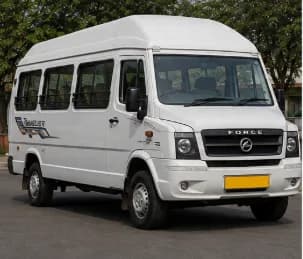
Getting Around by Private Car


Common Questions
The Punakha questions worth asking before you go.
Can't find your answer? Our team responds within 2 hours on WhatsApp and within 12 hours by email.
How far is Punakha from Thimphu?
About 3 hours by road, crossing the Dochula Pass — a scenic drive in its own right, with a viewpoint at 108 memorial chortens along the way.
Is Punakha warmer than Thimphu or Paro?
Yes — Punakha sits at a noticeably lower altitude, giving it a milder, almost subtropical climate compared to the cooler valleys of Thimphu and Paro.
Is Punakha Dzong open to visitors?
Yes, though visiting hours can be limited when the dzong is in use for ceremonies or government business — we confirm current access when planning your itinerary.
When is the best time to visit?
Punakha is comfortable most of the year given its lower altitude, though February to April is especially popular for the valley's blooming jacaranda trees.
About 3 hours by road, crossing the Dochula Pass — a scenic drive in its own right, with a viewpoint at 108 memorial chortens along the way.
Yes — Punakha sits at a noticeably lower altitude, giving it a milder, almost subtropical climate compared to the cooler valleys of Thimphu and Paro.
Yes, though visiting hours can be limited when the dzong is in use for ceremonies or government business — we confirm current access when planning your itinerary.
Punakha is comfortable most of the year given its lower altitude, though February to April is especially popular for the valley's blooming jacaranda trees.
Itinerary planned by Dhruv Poonia, Digital & Marketing Manager
Start Your Journey
Your Journey to Punakha Awaits.
When Will You Go?
Tell us how many days you have and what you'd like to see — we'll reply with a tailored itinerary and quote, usually within 24 hours.