Gujarat — Desert, Lions & a UNESCO City
A white salt desert under a full moon, the world's last wild Asiatic lions, and India's first UNESCO World Heritage City — a genuinely different side of West India.
Best Season
November to February
Ideal Trip Length
5 – 7 Days
Main Gateway
Ahmedabad (AMD)
Languages Spoken
English, Gujarati, Hindi
Desert, Lions & a UNESCO City
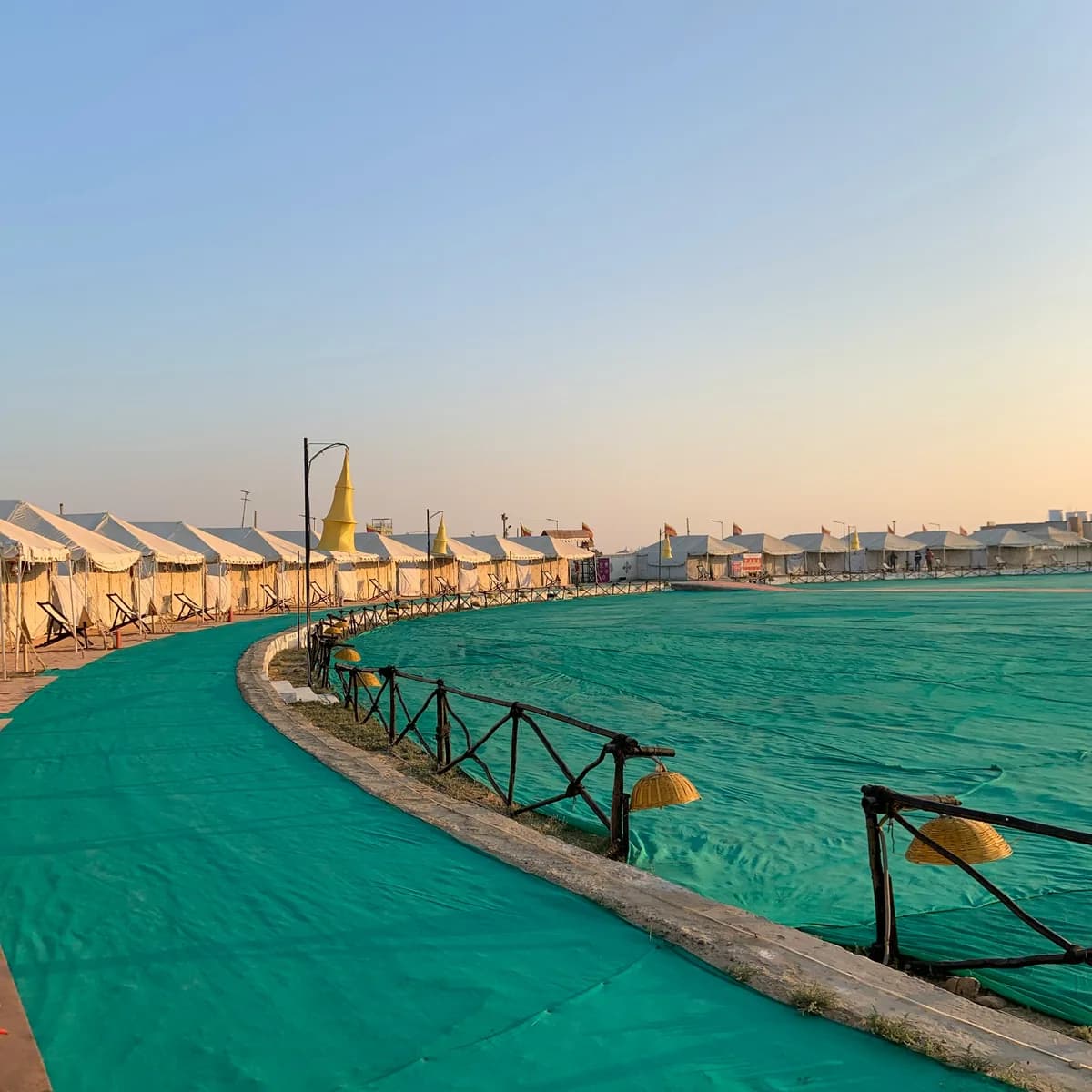
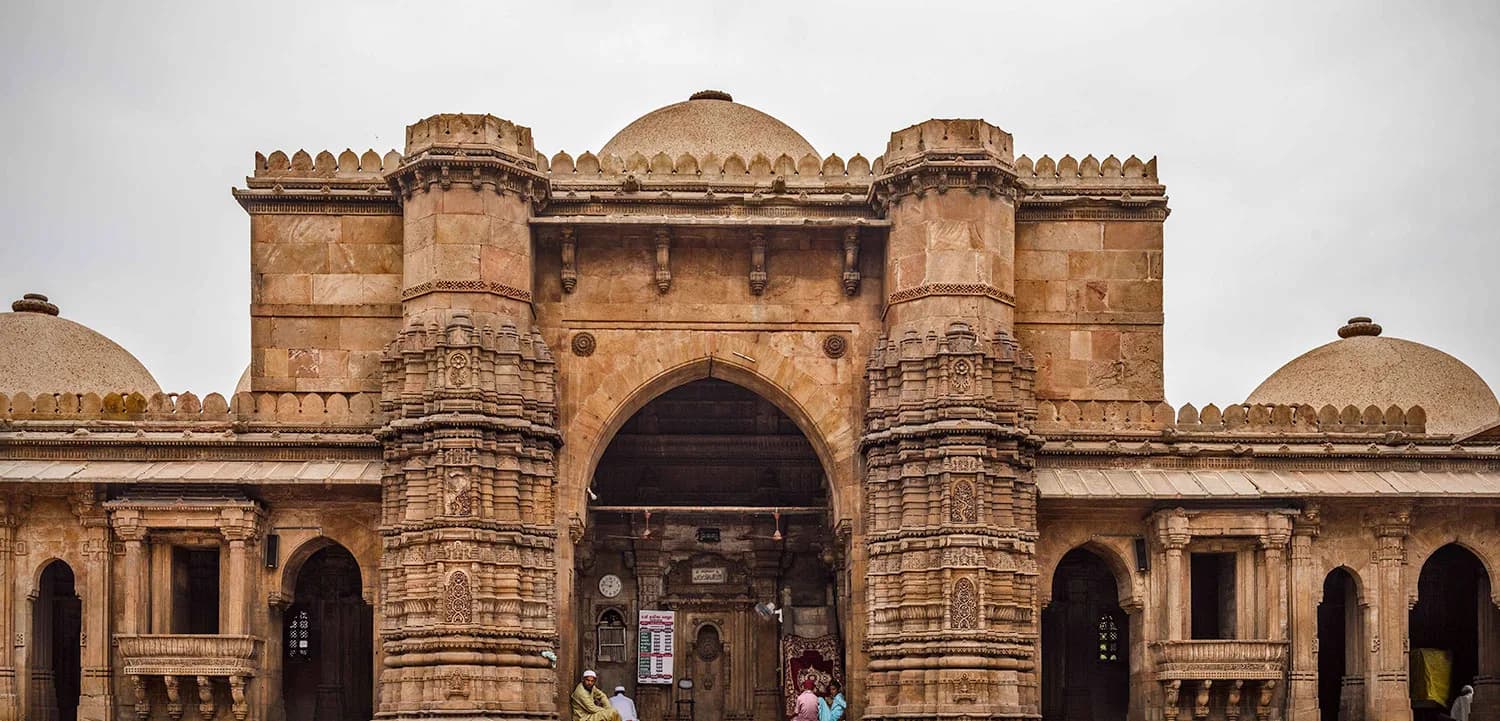
Gujarat offers a genuinely different register from most standard India itineraries, built around three things unavailable almost anywhere else in the country. The White Rann of Kutch — a vast, flat salt desert stretching to the horizon — hosts the annual Rann Utsav festival each winter, when a tent city fills with visitors drawn by the landscape's striking glow under a full moon. Ahmedabad, meanwhile, holds the distinction of being India's first UNESCO World Heritage City, its old quarter a still-functioning maze of carved wooden havelis and historic step-wells, with Mahatma Gandhi's Sabarmati Ashram — his home for over a decade and the starting point of the 1930 Salt March — sitting directly on the riverfront.
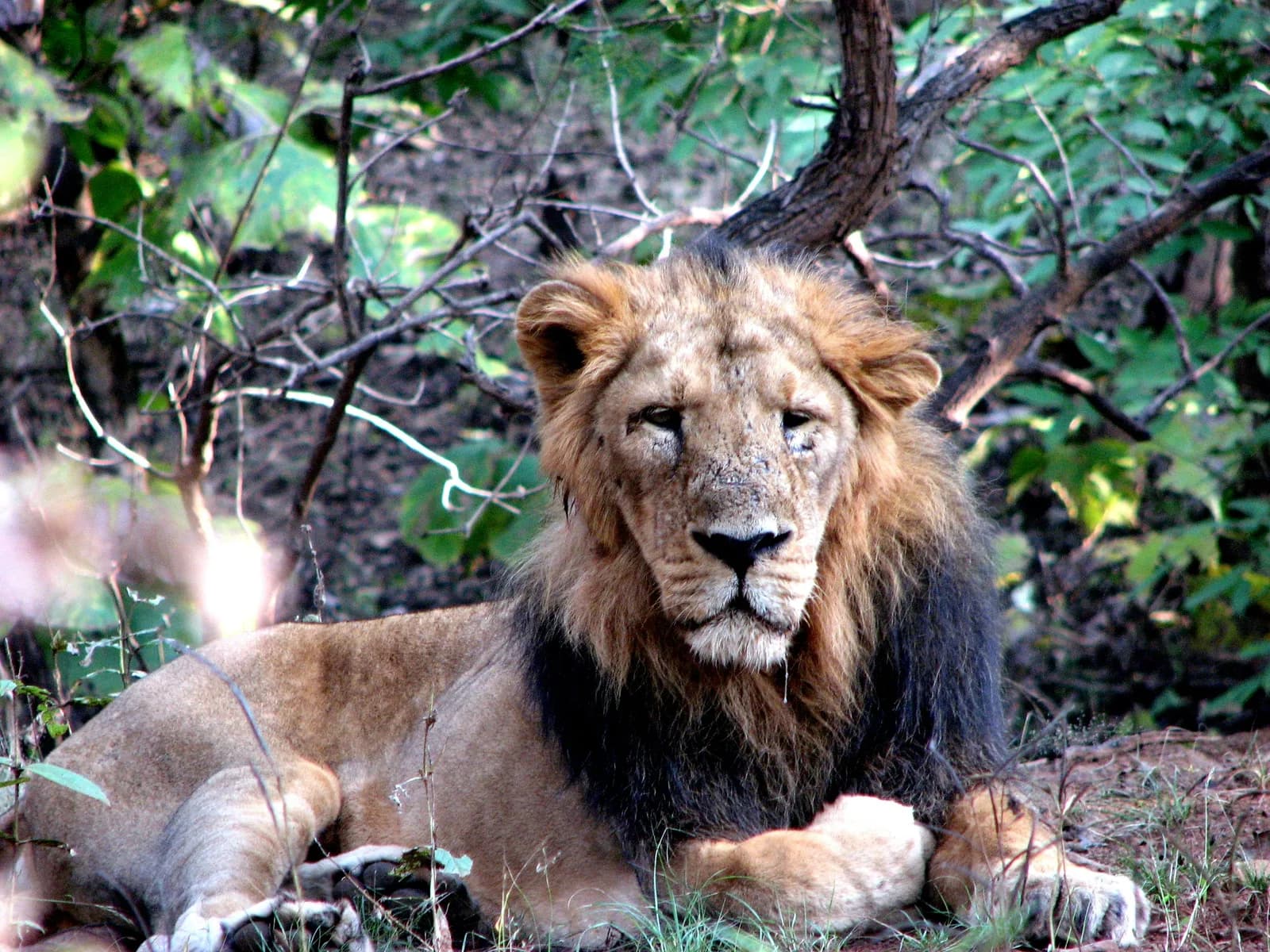
Further south, Gir National Park adds something genuinely unique on a global scale: the world's only remaining wild population of Asiatic lions, found nowhere else on the planet outside this one forest. Combined with leopards and a varied bird population, Gir offers a wildlife encounter with no real equivalent elsewhere. Given the distances involved between these three anchors, a realistic Gujarat itinerary runs 5 to 7 days, and the state connects naturally to a wider West India trip via Mumbai or north into Rajasthan for travellers with two weeks or more.
What to See
Getting There
By Air
Sardar Vallabhbhai Patel International Airport in Ahmedabad (AMD) has regular flights from Delhi, Mumbai and other major Indian cities.
Typical Route
Most itineraries move from Ahmedabad to the Rann of Kutch, then south to Gir National Park, with Somnath Temple often added along the coastal route back.
Rann Utsav Timing
The Rann Utsav festival runs roughly November through February, timed to the cooler months and clearer moonlit nights over the salt desert — we build trips around this window specifically for travellers who want to see it.
What Makes This Different
A Landscape Unlike Anywhere Else in India
The White Rann's flat salt desert, stretching to the horizon and glowing under a full moon, offers a visual experience genuinely unmatched elsewhere in the country.
India's First UNESCO World Heritage City
Ahmedabad earned this status for its remarkably preserved old city, where carved wooden havelis and historic step-wells sit within a still-functioning urban fabric.
The Last Wild Asiatic Lions on Earth
Gir National Park is the only place in the world where Asiatic lions survive in the wild, a genuinely unique wildlife encounter unavailable anywhere else on the planet.
Mahatma Gandhi's Home Base
Sabarmati Ashram, Gandhi's residence for over a decade and the starting point of the 1930 Salt March, offers a direct connection to India's independence movement.
A Genuinely Different Cultural Circuit
Gujarat's blend of desert landscape, wildlife and modern history gives international travellers a side of India rarely covered by standard itineraries.
November to February is the Best Season
Cooler, more comfortable weather makes this the best window for the Rann of Kutch and Gir safaris alike — and it lines up with the Rann Utsav festival season. Summer brings intense heat, particularly in the desert regions.
Nearby & Related Destinations
Getting Around by Private Car



Common Questions
The Gujarat questions worth asking before you go.
Can't find your answer? Our team responds within 2 hours on WhatsApp and within 12 hours by email.
When is the best time to see the Rann of Kutch?
November through February, during the Rann Utsav festival, when the tent city is open, temperatures are comfortable, and the salt desert is at its most striking under clear moonlit skies.
How many days should we plan for Gujarat?
5 to 7 days lets you properly cover Ahmedabad, the Rann of Kutch, and Gir National Park without rushing between them — the distances involved are genuinely significant.
Are Gir's lion sightings reliable?
Gir has a good sighting record given the park's relatively concentrated lion population, though as with any wildlife safari, no sighting is ever fully guaranteed.
Can Gujarat be combined with Rajasthan in one trip?
Yes — both share a road border, making it possible to combine Gujarat's desert and wildlife circuit with a wider Rajasthan itinerary for travellers with two weeks or more.
November through February, during the Rann Utsav festival, when the tent city is open, temperatures are comfortable, and the salt desert is at its most striking under clear moonlit skies.
5 to 7 days lets you properly cover Ahmedabad, the Rann of Kutch, and Gir National Park without rushing between them — the distances involved are genuinely significant.
Gir has a good sighting record given the park's relatively concentrated lion population, though as with any wildlife safari, no sighting is ever fully guaranteed.
Yes — both share a road border, making it possible to combine Gujarat's desert and wildlife circuit with a wider Rajasthan itinerary for travellers with two weeks or more.
Itinerary planned by Dhruv Poonia, Digital & Marketing Manager
Start Your Journey
Your Journey to Gujarat Awaits.
When Will You Go?
Tell us how many days you have and what you'd like to see — we'll reply with a tailored itinerary and quote, usually within 24 hours.