Agra — Home of the Taj Mahal
One building draws most travellers to Agra, but Mughal forts, an abandoned imperial city, and centuries-old marble craftsmanship make it worth more than a rushed afternoon.
Best Season
October – March
Ideal Trip Length
1 – 2 Days
Main Gateway
Delhi (DEL)
Languages Spoken
English, Hindi
More Than a Single Monument
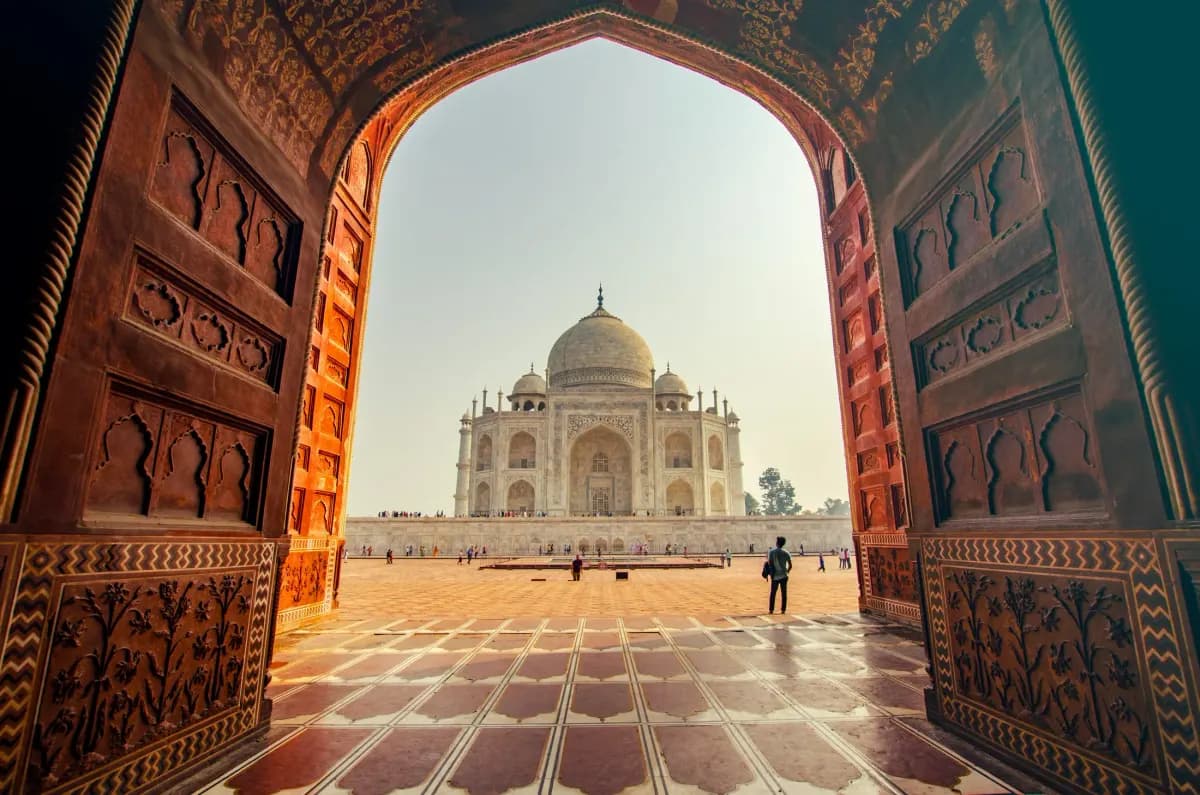
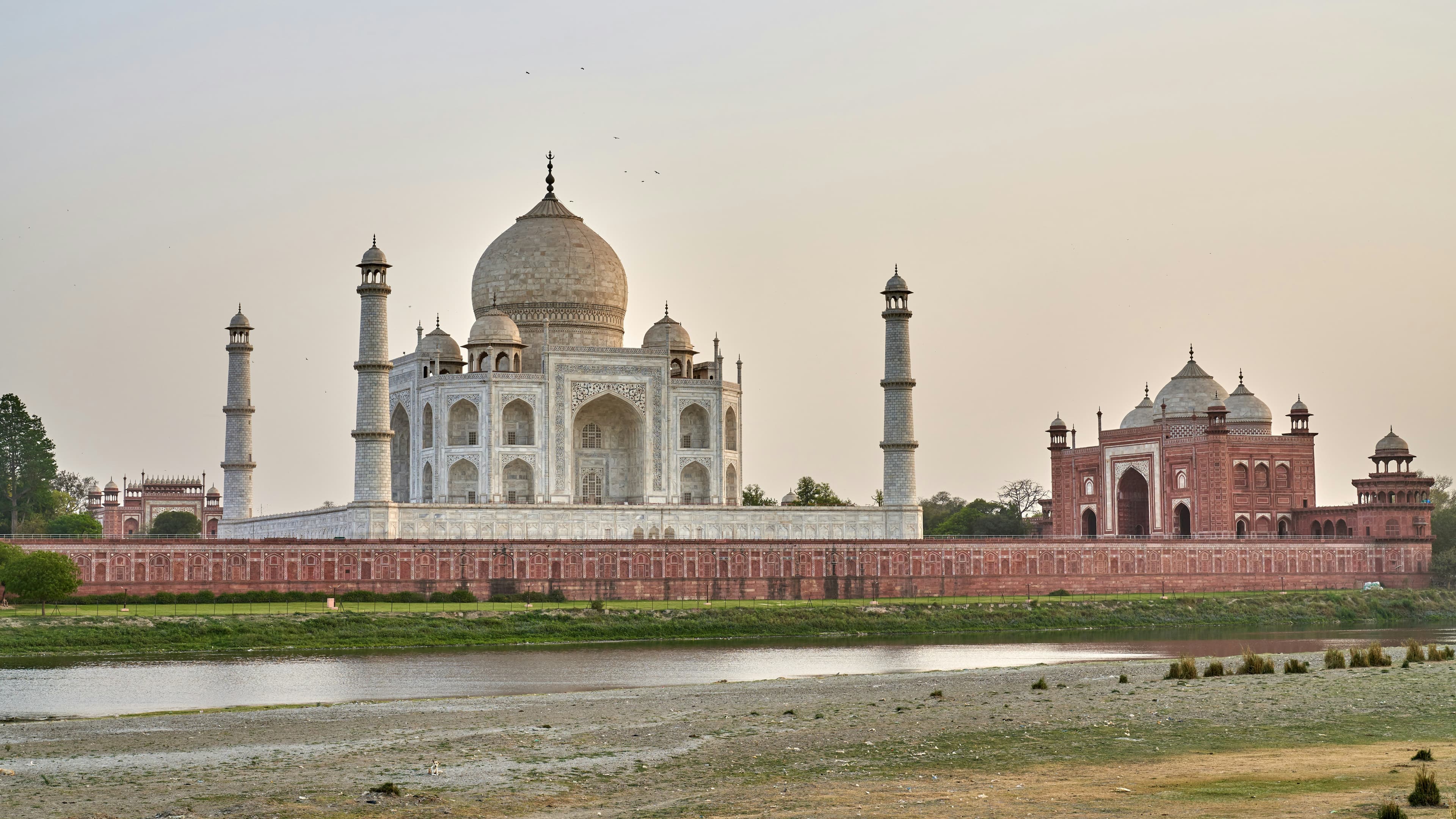
Agra is almost always visited for one reason, and the Taj Mahal genuinely earns the reputation — it's one of those rare landmarks that looks even better in person than in every photo you've already seen of it. Built by Emperor Shah Jahan as a mausoleum for his wife Mumtaz Mahal, completed around 1653 after roughly two decades of construction, it remains one of the most technically accomplished buildings anywhere in the world — perfectly symmetrical white marble that shifts colour with the light, from soft pink at sunrise to brilliant white at midday to a warm gold at sunset. But building a rushed few hours around a single building undersells the city. Agra was a Mughal capital for generations, and that history is still standing a short drive from the Taj Mahal itself.
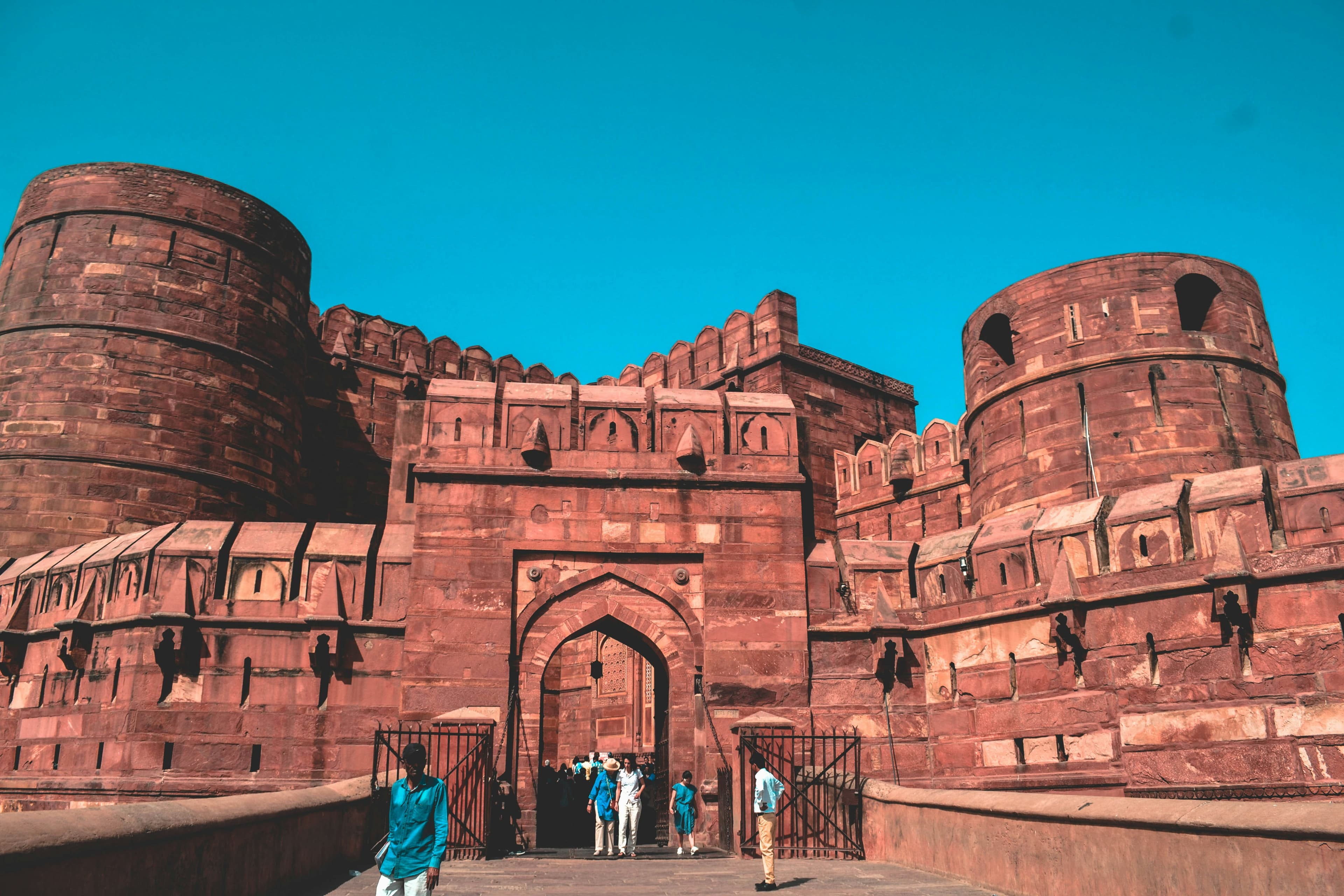
Agra Fort and the abandoned city of Fatehpur Sikri both date from the same dynasty and the same red-sandstone-and-white-marble architectural language, and both see a fraction of the Taj Mahal's crowds. Agra Fort, a UNESCO World Heritage Site in its own right, was the primary residence of Mughal emperors before the capital shifted to Delhi, and it's from one of its marble balconies that Shah Jahan reportedly spent his final years gazing at the Taj Mahal after being imprisoned there by his own son. Fatehpur Sikri, built by Emperor Akbar as an entirely new capital city and abandoned within decades — likely due to water shortages — stands today almost exactly as it was left, a genuinely eerie and remarkable place to walk through.
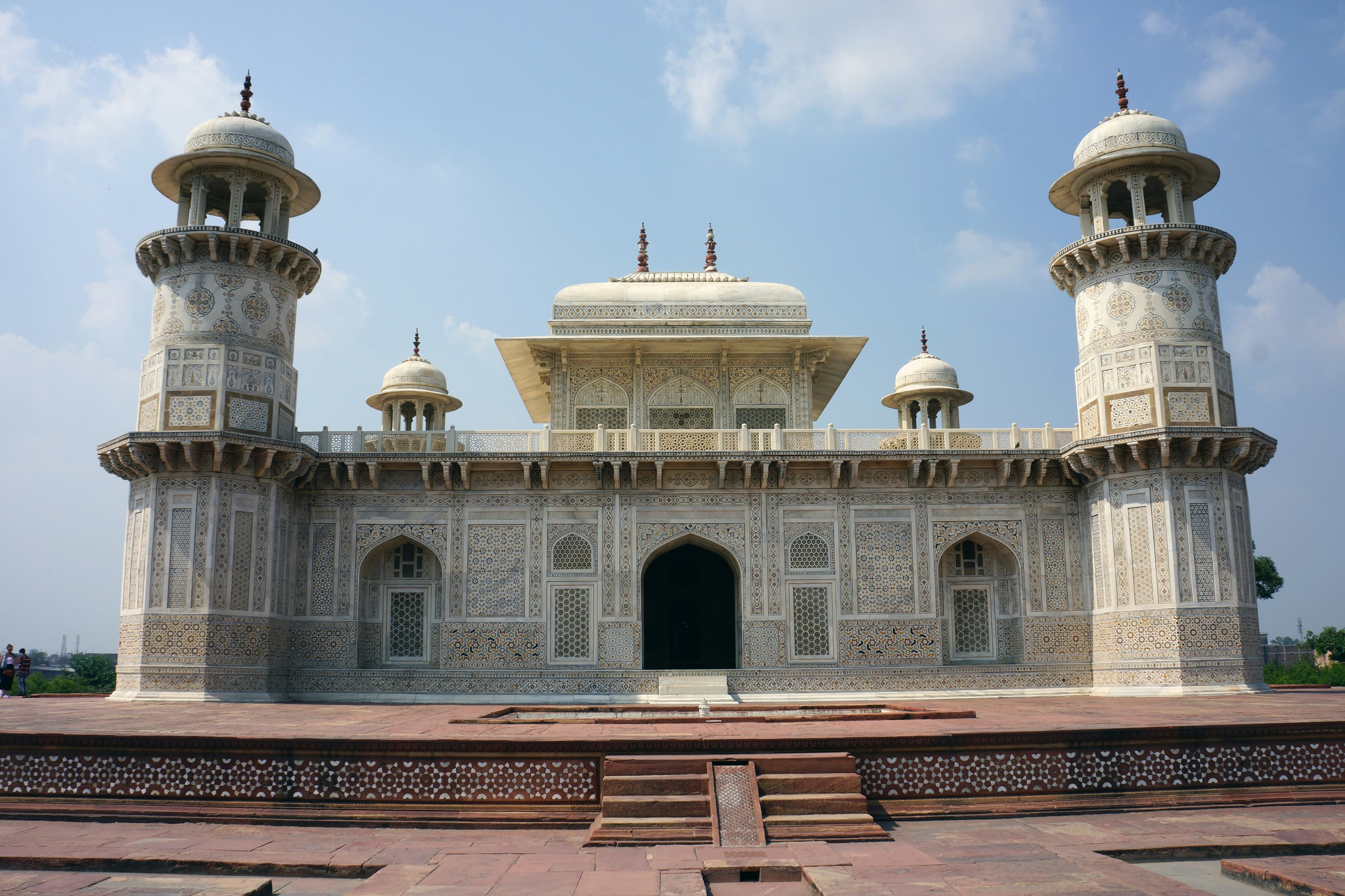
Given how easy Agra is to reach from both Delhi and Jaipur — typically under four hours by road from either — it's worth planning for a proper day here rather than treating it as a photo stop on the way to Rajasthan. Arriving early for sunrise at the Taj Mahal avoids both the worst of the crowds and the heat, and leaves the rest of the day free for Agra Fort, Fatehpur Sikri, or the smaller but genuinely beautiful Itmad-ud-Daulah tomb, sometimes called the "Baby Taj" for the way it anticipated many of the design ideas the Taj Mahal would later perfect.
What to See in Agra
Getting to Agra
Main Gateway
Agra has its own small airport, but almost all international travellers arrive via Delhi's Indira Gandhi International Airport, then reach Agra by road or the high-speed Gatimaan Express train — around 3.5 to 4 hours either way.
Typical Entry Route
Agra is almost always visited as a stop between Delhi and Rajasthan, rather than a standalone destination — most itineraries include it as the middle leg of the classic Golden Triangle.
Visa Requirements
The standard Indian e-Visa applies for most nationalities and can be arranged online before departure. We recommend confirming current requirements for your passport before booking flights.
What to See Beyond the Taj Mahal
Best Seen at Sunrise
Sunrise entry to the Taj Mahal means softer light for photography, smaller crowds, and cooler temperatures — the single most common piece of advice we give Agra-bound travellers.
Fatehpur Sikri
A UNESCO-listed abandoned Mughal capital roughly 40 minutes outside Agra, remarkably intact and far less crowded than the city's main sights.
Marble Inlay Craftsmanship
Agra is still home to artisan workshops practising the same pietra dura marble inlay technique used to decorate the Taj Mahal itself, generations later.
Yamuna River Views
Several of Agra's monuments — the Taj Mahal, Agra Fort and Itmad-ud-Daulah — sit directly on the Yamuna, and were designed with the river in mind.
A Mughal Capital, Not Just a Monument
Agra served as the Mughal Empire's capital across three emperors, which is why its architecture spans everything from forts to formal gardens to tombs.
Easy Golden Triangle Fit
A short, well-connected drive from both Delhi and Jaipur, which is exactly why Agra anchors the middle of almost every first-time India itinerary.
October to March is Agra's Most Comfortable Season
Cool, dry mornings make an early Taj Mahal visit genuinely pleasant. April to June runs extremely hot — often the hottest stop on a Golden Triangle itinerary — while the July to September monsoon brings humidity but also fewer crowds around the monument.
Nearby & Related Destinations
Getting Around by Private Car



Common Questions About Agra
The questions we hear most from travellers planning a trip to Agra.
Can't find your answer? Our team responds within 2 hours on WhatsApp and within 12 hours by email.
How many days do I need in Agra?
Most travellers see Agra's main sights — the Taj Mahal and Agra Fort — comfortably in a single day, or add Fatehpur Sikri for a fuller second day. It's rarely worth more than one or two nights unless you want a slower pace.
Is it worth visiting the Taj Mahal at sunrise?
Yes, genuinely — sunrise entry means softer light for photography, noticeably smaller crowds, and cooler temperatures for most of the year. It's the single most common piece of advice we give travellers heading to Agra.
Can Agra be visited as a day trip from Delhi?
Yes, the Gatimaan Express makes Agra a genuine day-trip option from Delhi — around 100 minutes each way. That said, we usually recommend an overnight stay if your schedule allows, so you can see the Taj Mahal at sunrise rather than arriving mid-morning.
Is Agra Fort worth visiting alongside the Taj Mahal?
Yes — Agra Fort is a major Mughal monument in its own right, and seeing it alongside the Taj Mahal gives useful context, since the same Mughal emperors built both. It's easy to fit both into a single day.
Do I need a guide at the Taj Mahal?
It's not required, but the history behind the Taj Mahal is dense enough that a private guide genuinely improves the visit — this is how we run every Agra itinerary, alongside a private driver for the Delhi–Agra–Jaipur route.
Most travellers see Agra's main sights — the Taj Mahal and Agra Fort — comfortably in a single day, or add Fatehpur Sikri for a fuller second day. It's rarely worth more than one or two nights unless you want a slower pace.
Yes, genuinely — sunrise entry means softer light for photography, noticeably smaller crowds, and cooler temperatures for most of the year. It's the single most common piece of advice we give travellers heading to Agra.
Yes, the Gatimaan Express makes Agra a genuine day-trip option from Delhi — around 100 minutes each way. That said, we usually recommend an overnight stay if your schedule allows, so you can see the Taj Mahal at sunrise rather than arriving mid-morning.
Yes — Agra Fort is a major Mughal monument in its own right, and seeing it alongside the Taj Mahal gives useful context, since the same Mughal emperors built both. It's easy to fit both into a single day.
It's not required, but the history behind the Taj Mahal is dense enough that a private guide genuinely improves the visit — this is how we run every Agra itinerary, alongside a private driver for the Delhi–Agra–Jaipur route.
Itinerary planned by Dhruv Poonia, Digital & Marketing Manager
Start Your Journey
Your Agra Journey Awaits.
When Will You Go?
Tell us how many days you have and what you'd like to see — we'll reply with a tailored Agra itinerary and quote, usually within 24 hours.