Best Time to Visit India in January
Peak season for the Golden Triangle — cold, crisp mornings, warm afternoons, and the clearest skies of the year.
North India Temps
5–20°C (Delhi, Rajasthan)
South India Temps
20–30°C (Kerala, Tamil Nadu)
Crowds
Peak season — book ahead
Rainfall
Minimal nationwide
What January Is Like
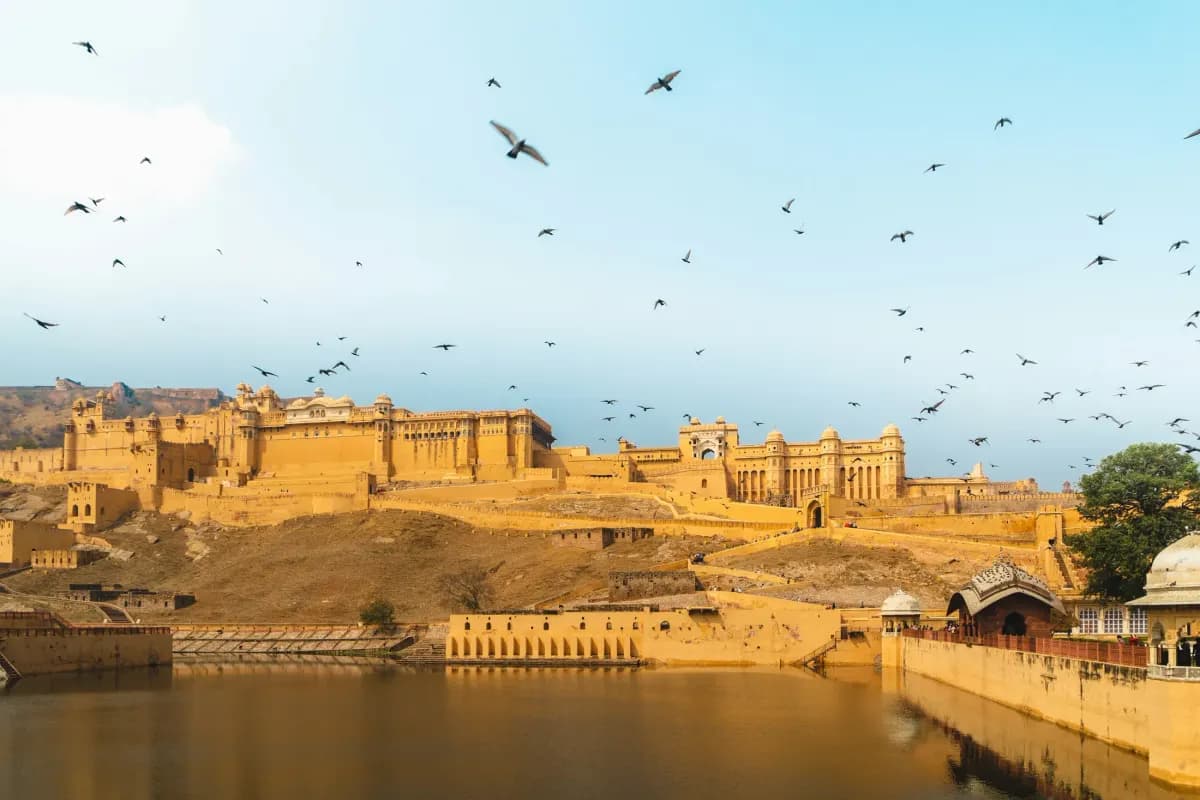
January is the coldest month of the year across North India, and also one of the most reliably beautiful. Rajasthan, Delhi and Agra see chilly mornings that can dip close to freezing in the desert, warming into pleasant, sunny afternoons ideal for full days of sightseeing. It's peak season for exactly this reason — the Taj Mahal, Amber Fort and the forts of Jaipur are all at their most photogenic under clear winter light, without the haze that builds later in spring. For a first-time visitor picturing India as uniformly hot, January is often the biggest surprise of the whole trip — packing a genuine winter jacket for a country associated with heat feels counterintuitive right up until the first cold desert morning proves it necessary.
The specifics vary more than most first-time visitors expect, and knowing the pattern helps with packing as much as planning. In Jaisalmer and the deep desert, night-time temperatures genuinely approach freezing, occasionally dipping to two or three degrees Celsius just before dawn, while Udaipur, sitting slightly lower and further from the open desert, tends to stay a few degrees milder overnight thanks to its lakes moderating the temperature swing. Delhi's mornings are the ones to watch most closely of all — dense fog is common in the first half of January in particular, a genuine meteorological phenomenon caused by cold air trapping pollution and moisture close to the ground, and it's the single most likely weather-related disruption to an itinerary this month, sometimes delaying flights by an hour or two, occasionally longer in a bad spell.
None of this makes January a difficult month to travel in; it simply means packing a proper jacket for the mornings and evenings, then shedding it by midday as the desert sun does its work. By early afternoon, temperatures in Jaipur or Agra typically sit in the high teens to low twenties Celsius, warm enough for a light shirt, and the swing back down after sunset can feel dramatic if you're not prepared for it. Locals dress in layers for exactly this reason, and visitors who do the same find January's climate less an obstacle than a genuinely pleasant rhythm to the day — cold starts, warm middles, cool evenings, repeated for the length of the trip.
Further south, January is close to ideal too: Kerala and Tamil Nadu Beaches sit in the dry, warm stretch of their own calendar, with none of the humidity that arrives later in the year and makes April and May noticeably harder going. Backwater cruises, beach time and coastal sightseeing all work comfortably this month, with daytime temperatures generally in the high twenties without the oppressive mugginess of the pre-monsoon months. January pairs naturally with a North India leg if your itinerary covers both ends of the country — the weather asks nothing of you that a light jacket in the north and a t-shirt in the south won't solve, and flight connections between Delhi or Jaipur and Kerala's airports are frequent enough to make the combination straightforward to plan.
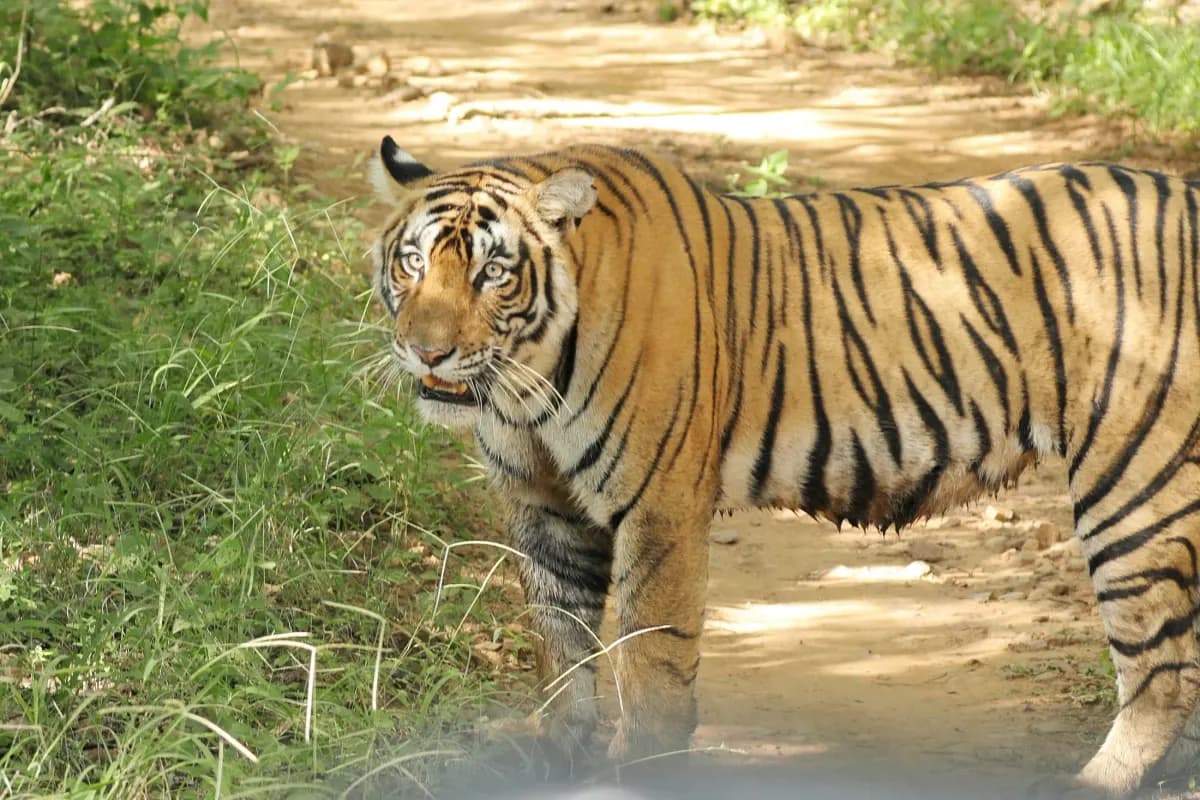
It's also a strong month for wildlife, though with an important nuance worth understanding before booking. Ranthambore, Sariska and Bandhavgarh are all open and comfortable for safari drives, with cool mornings that suit both wildlife activity and passenger comfort in an open jeep — nobody is uncomfortably hot at 6am in January the way they might be in May. Tiger sightings specifically, though, tend to keep improving as the dry season deepens into February, March and April, when thinning vegetation and shrinking water sources concentrate animals more predictably around the remaining pools. January safaris are pleasant and genuinely productive; they're simply not statistically the single best window of the year for a tiger sighting, and it's worth knowing that going in rather than expecting April-level odds.
Because January sits at the very start of peak season, it rewards early planning more than almost any other month on the calendar. Heritage hotels in Jaipur and Udaipur, in particular, book out weeks or sometimes months ahead for this period, since domestic and international demand both peak simultaneously and inventory at genuinely characterful properties — actual converted forts and havelis rather than generic hotel stock — is limited by definition. None of that makes January a bad choice; quite the opposite, since the weather trade-off is genuinely worth it for most travellers. It does mean a January trip is one to lock in the itinerary for earlier than a quieter shoulder-season month would require, ideally two to three months ahead if specific heritage properties matter to you.
Beyond the big three cities, January is also a comfortable month to add on a wildlife or desert extension without weather becoming the limiting factor. A Jaisalmer detour into the Thar Desert works well this month specifically because the daytime heat that makes summer desert travel genuinely punishing hasn't arrived yet, while the clear night skies over the dunes — a real highlight for many travellers doing an overnight desert camp — are at their most reliable, since January's dry air rarely brings the cloud cover that can spoil a desert stargazing evening later in the year.
It's also worth understanding how January plays out hour by hour if you've never experienced a genuinely cold Indian morning before. Sunrise itself can feel almost alpine in the desert — breath visible, hands cold enough to want gloves for an early Taj Mahal visit — and this catches travellers off guard more than any other single detail of a January trip. By 9 or 10am the transformation is dramatic: jackets come off, the light turns golden and warm, and the day settles into the kind of comfortable sightseeing weather that makes January so popular in the first place. Evenings reverse the process more gradually, with the chill returning noticeably after sunset, which is worth factoring into dinner plans if a restaurant has an open-air courtyard, common at many of Rajasthan's heritage properties.
For travellers deciding between a January trip and one scheduled a few weeks either side, it helps to think in terms of trade-offs rather than a single best answer. January buys you the clearest air of the year and two genuine cultural events worth timing a trip around, at the cost of the coldest mornings and the highest prices of the peak season. Nothing about that trade-off is unusual for peak-season travel anywhere in the world — it simply means January suits travellers who prioritise weather and photography conditions over budget or crowd avoidance, which describes the majority of first-time visitors building their first India itinerary around the Taj Mahal.
Where to Go in January
Rajasthan & the Golden Triangle
At its best this month — cold mornings, warm afternoons, minimal haze, and the clearest desert light of the entire year. This is the single most popular window to visit Rajasthan, Delhi and Agra together, and heritage hotels across Jaipur and Udaipur book out early because of it. If you only have room for one region this month, this trio is the reason most travellers choose January in the first place.
Delhi
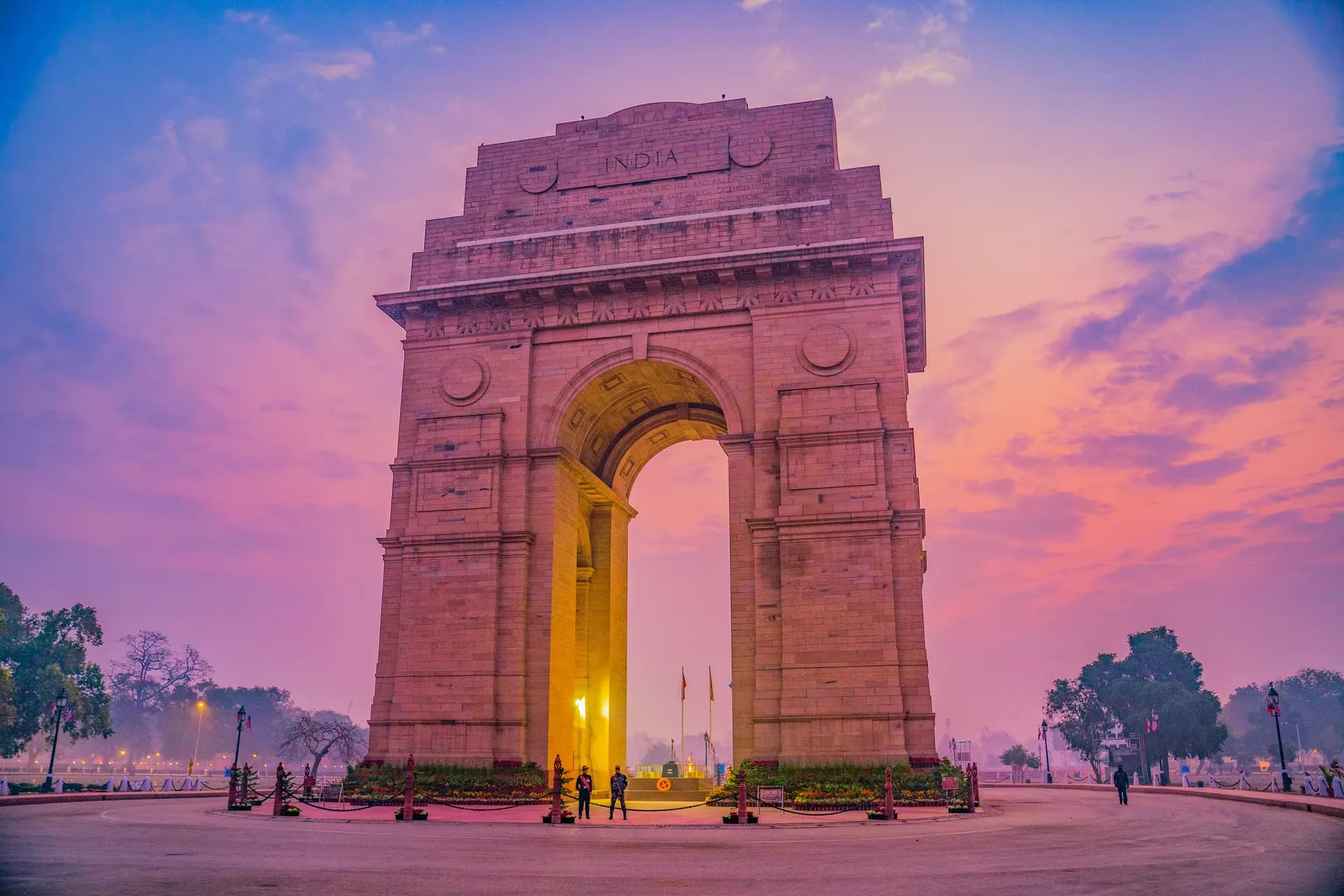
Cold and occasionally foggy in the early mornings, particularly in the first half of the month — watch for possible short flight delays and build a buffer into any tight connection. Afternoons are usually clear and comfortable for sightseeing around India Gate and the lanes of Old Delhi, and by evening the capital's markets and food streets are genuinely pleasant to walk once you've layered up against the chill.
Kerala & South India
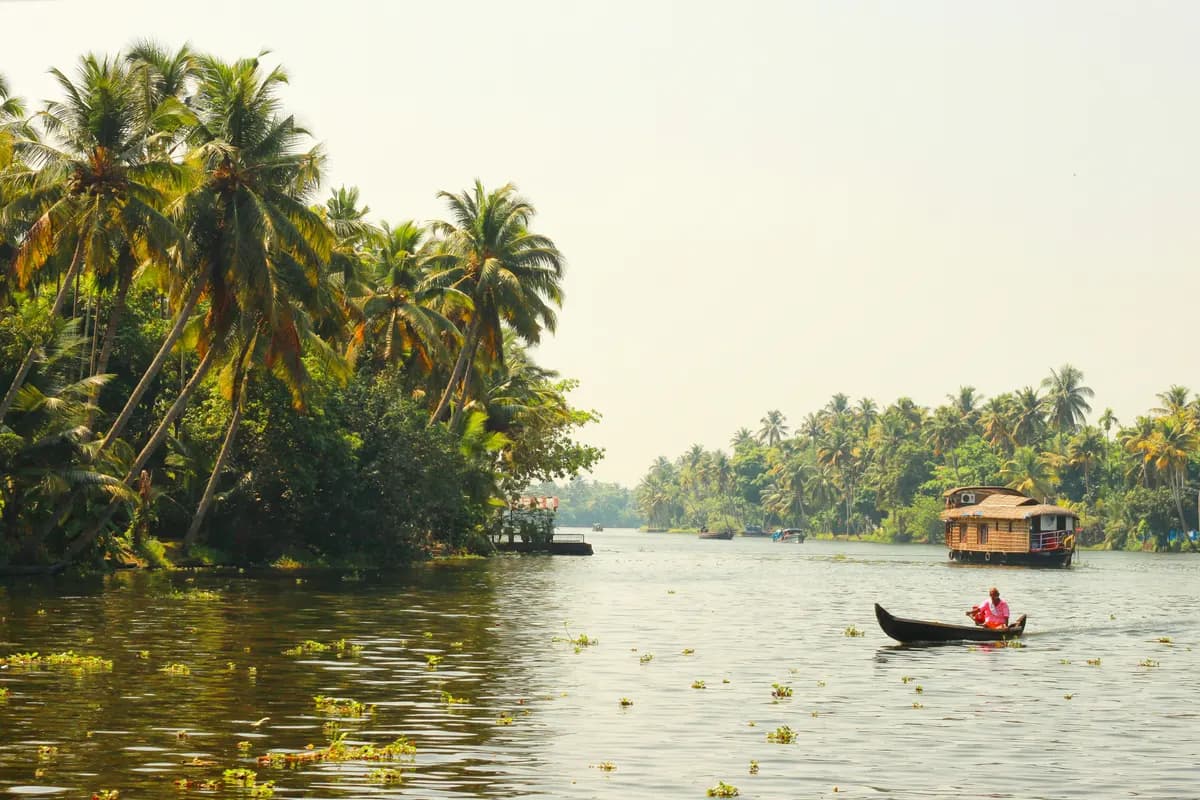
Warm, dry and comfortable — one of the best months for Kerala backwaters and Tamil Nadu Beaches, with none of the humidity that builds up as the year progresses. A houseboat cruise through Alleppey's canals in January sits at a genuinely pleasant temperature for hours on the water, which isn't always true later in the season.
Wildlife Parks
Open and pleasant at Ranthambore, Sariska and Bandhavgarh, with cool, comfortable safari mornings, though tiger sighting rates specifically generally keep improving as the dry season deepens toward March–May and water sources shrink further.
Himalayas & Ladakh
Deep winter — most high-altitude regions including Leh & Ladakh are snow-closed and genuinely inaccessible until spring, with roads over the high passes buried until the snowmelt begins. Himachal's lower valleys remain reachable for travellers who specifically want a snow experience without attempting Ladakh itself.
Goa & the West Coast
Dry, warm and at its most popular this month — Goa is in full peak season, with comfortable beach weather throughout January and the busiest nightlife and beach-shack scene of the year, alongside correspondingly higher hotel rates.
Why Come to India in January
The Clearest Skies of the Year
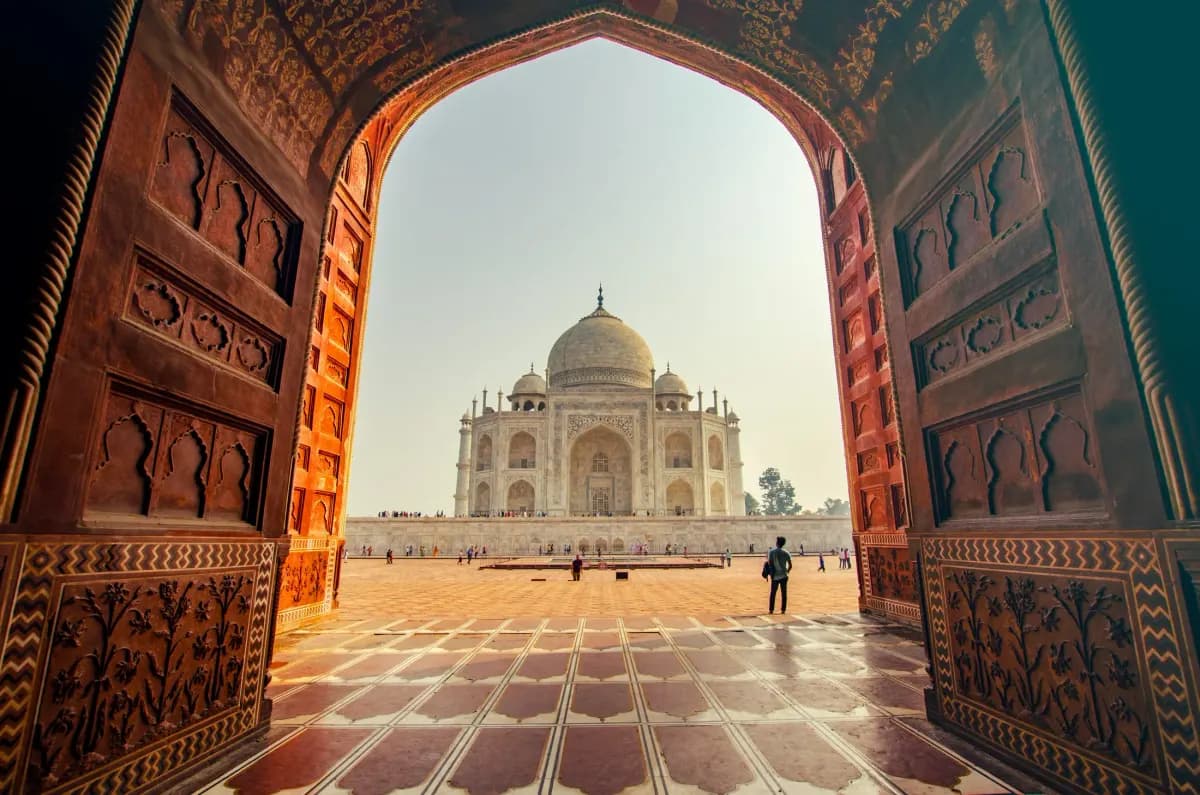
Post-monsoon dust has fully settled and spring haze hasn't yet built up, giving January's light a genuine edge for photography, especially at the Taj Mahal.
A Genuine North-and-South Combination
Rajasthan's cool comfort and Kerala's warm dry season line up simultaneously, making a combined itinerary easier to plan than in almost any other month.
Two Major Cultural Events
The Jaipur Literature Festival and Makar Sankranti's kite-flying both typically fall this month, adding real texture beyond the standard sightseeing circuit.
Comfortable Wildlife Safaris
Cool mornings make open-jeep safari drives genuinely pleasant, at Ranthambore, Sariska and Bandhavgarh alike, without the later dry season's dust and heat.
What's Happening in January
Makar Sankranti (mid-January)
A harvest festival marked with kite-flying, especially spectacular in Gujarat and Rajasthan, where entire skylines fill with competing kites for the day — Jaipur's rooftops in particular become an impromptu festival venue as families gather to fly kites from morning to dusk.
Jaipur Literature Festival (late January)
One of the world's largest free literary festivals, held in Jaipur's Diggi Palace, drawing authors, thinkers and readers from around the world for five days of talks, discussion and debate — a genuine highlight for travellers with a literary bent whose dates happen to align.
Republic Day (26 January)
A major national holiday, marked by a large military and cultural parade in Delhi along Kartavya Path — worth planning around if you're in the capital, since roads close for the parade route and central Delhi can be difficult to navigate for a few hours that morning.
Pongal (mid-January, Tamil Nadu)
The Tamil harvest festival, celebrated over four days with decorated cattle, rangoli patterns and family feasts — largely a South Indian counterpart to Makar Sankranti, and a genuinely warm, welcoming time to be travelling through Tamil Nadu if your route includes it.
Packing for January
January's split personality — cold mornings, warm afternoons in the north; consistently warm throughout the day in the south — means layering matters more this month than almost any other. A trip covering both Rajasthan and Kerala genuinely needs two different wardrobes packed into the same suitcase, and travellers who underestimate the desert cold are the ones most likely to be caught out on a January morning in Jaipur.
- A proper warm jacket for early mornings in Rajasthan and Delhi
- Lightweight layers for the midday warmth once the sun is up
- A scarf or shawl — useful for both warmth and modest dress at temples
- Closed, comfortable walking shoes for fort and palace sightseeing
- Light, breathable clothing for Kerala or Goa if your itinerary includes the coast
- Sunscreen — the winter sun is deceptively strong at midday
- A warm hat or beanie for early desert mornings, especially around Jaisalmer
These are the destinations where January's weather works hardest in your favour — places where the cool, dry, clear conditions genuinely change how comfortable a full day of sightseeing feels, rather than just being tolerable.
Best Destinations for January
Tours to Book for January
January's dependable weather makes it a strong month for almost any classic itinerary, but two shapes suit it particularly well: the standard Golden Triangle circuit, timed for the year's clearest Taj Mahal light, or a longer route that adds a wildlife safari while conditions are still cool and comfortable for game drives.
Popular Packages This Month
How January Compares
January and February are close cousins — both cool, dry and comfortable across Rajasthan and the Golden Triangle — though February edges ahead slightly for South India, where the warmth becomes even more reliable and the humidity stays lower for longer. Compared to December, January is noticeably colder at night in the desert but has largely shed the Christmas–New Year crowd surge, making it a calmer, if still busy, alternative for travellers who want the season's weather without its single busiest fortnight. Travellers who specifically want to avoid fog risk in Delhi sometimes shift their trip a few weeks later into February instead, once the worst of the winter haze has cleared, though the trade-off is slightly higher demand and marginally warmer desert nights. Those weighing January against a springtime visit in March should know the trade runs the other way entirely — March brings warmer, more forgiving evenings but noticeably hotter midday sightseeing conditions by the back half of the month, so the choice largely comes down to whether cold mornings or warm afternoons feel like the bigger inconvenience to plan around.
Common Questions
What travellers usually ask before planning a trip around January.
Can't find your answer? Our team responds within 2 hours on WhatsApp and within 12 hours by email.
Is January a good time to visit the Taj Mahal?
Yes — it's one of the best months, with clear winter skies and comfortable daytime temperatures, though mornings can be cold enough that a jacket is worth packing even in the desert.
How cold does it get in Rajasthan in January?
Nights and early mornings can drop close to freezing in the desert, particularly in Jaisalmer, while afternoons typically warm into the high teens to low twenties Celsius — comfortable for sightseeing once the sun is up.
Should we worry about fog affecting our trip?
Delhi occasionally sees dense fog in January that can delay flights, especially early morning departures. We build a little buffer into itineraries around this time of year where possible.
Do we need to book hotels well in advance for January?
Yes — January is peak season across Rajasthan and the Golden Triangle, and good hotels, especially heritage properties, fill up weeks or months ahead.
Is it too cold for a tiger safari in January?
Not at all — mornings are cold enough to need a warm layer in an open jeep, but the safaris themselves run normally, and cool conditions are generally pleasant for both wildlife activity and passenger comfort.
Can we combine Rajasthan and Kerala in a January trip?
Yes — this is one of the easiest months to do exactly that, since both regions are simultaneously near their best, though you'll want to pack for genuinely different temperature ranges in each.
Is January too crowded to enjoy?
It's busy, particularly at headline sights like the Taj Mahal and Amber Fort, but not overwhelmingly so with private guiding and well-timed visits — arriving early in the day at major monuments makes a real difference.
Is a desert camp in Jaisalmer worth it in January?
Yes, and it's arguably one of the best months for it — clear, dry night skies make for excellent stargazing, though pack warmly, since desert nights this month can get genuinely cold.
What time should we plan an outdoor sightseeing day around in January?
A late-morning to mid-afternoon window tends to be the most comfortable stretch of the day, once the desert chill has burned off but before the evening cold sets back in — early risers can also catch sunrise light at monuments before the crowds arrive.
Is Delhi's air quality a concern in January specifically?
It can be — cold, still winter air tends to trap pollution closer to ground level, and January mornings are among the more affected. Many itineraries keep the Delhi portion efficient and move on to Rajasthan's cleaner desert air relatively quickly.
Are flight and hotel prices at their highest in January?
Generally yes, alongside November and December — January sits firmly within peak season pricing across Rajasthan and the Golden Triangle, though it's usually a touch calmer and slightly better value than the Christmas–New Year fortnight just before it.
Yes — it's one of the best months, with clear winter skies and comfortable daytime temperatures, though mornings can be cold enough that a jacket is worth packing even in the desert.
Nights and early mornings can drop close to freezing in the desert, particularly in Jaisalmer, while afternoons typically warm into the high teens to low twenties Celsius — comfortable for sightseeing once the sun is up.
Delhi occasionally sees dense fog in January that can delay flights, especially early morning departures. We build a little buffer into itineraries around this time of year where possible.
Yes — January is peak season across Rajasthan and the Golden Triangle, and good hotels, especially heritage properties, fill up weeks or months ahead.
Not at all — mornings are cold enough to need a warm layer in an open jeep, but the safaris themselves run normally, and cool conditions are generally pleasant for both wildlife activity and passenger comfort.
Yes — this is one of the easiest months to do exactly that, since both regions are simultaneously near their best, though you'll want to pack for genuinely different temperature ranges in each.
It's busy, particularly at headline sights like the Taj Mahal and Amber Fort, but not overwhelmingly so with private guiding and well-timed visits — arriving early in the day at major monuments makes a real difference.
Yes, and it's arguably one of the best months for it — clear, dry night skies make for excellent stargazing, though pack warmly, since desert nights this month can get genuinely cold.
A late-morning to mid-afternoon window tends to be the most comfortable stretch of the day, once the desert chill has burned off but before the evening cold sets back in — early risers can also catch sunrise light at monuments before the crowds arrive.
It can be — cold, still winter air tends to trap pollution closer to ground level, and January mornings are among the more affected. Many itineraries keep the Delhi portion efficient and move on to Rajasthan's cleaner desert air relatively quickly.
Generally yes, alongside November and December — January sits firmly within peak season pricing across Rajasthan and the Golden Triangle, though it's usually a touch calmer and slightly better value than the Christmas–New Year fortnight just before it.
Start Your Journey
Your January Trip Awaits.
Where Will You Go?
Tell us your travel dates and where you'd like to go — we'll build an itinerary around the right regions for that time of year, usually with a reply within 24 hours.