Srinagar & Kashmir — The Valley of Gardens and Lakes
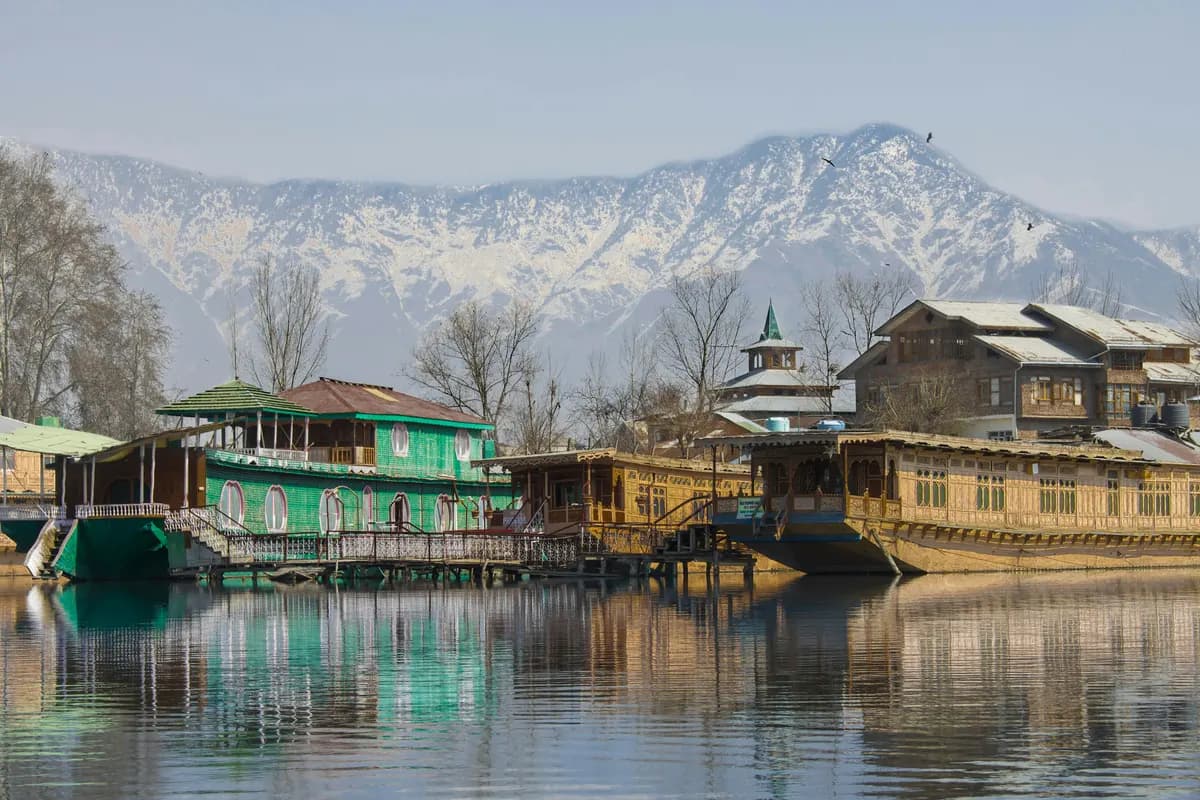
Houseboats on Dal Lake, Mughal-era gardens, and alpine meadows framed by the Himalayas — often called the 'Paradise on Earth' for good reason.
Best Season
April to October
Ideal Trip Length
4 – 6 Days
Main Gateway
Srinagar (SXR)
Elevation
~1,585m (Srinagar)
The Valley of Gardens and Lakes
Srinagar sits at the heart of the Kashmir Valley, built around Dal Lake and framed by the Zabarwan mountains — a city defined by water, gardens, and a distinctly Persian-influenced Mughal heritage that sets it apart visually from almost anywhere else in North India. Where Rajasthan's forts and the Golden Triangle's monuments are built from stone and sandstone, Kashmir is built around water and green — houseboats reflected in still lake water at dawn, terraced gardens climbing gently up toward the mountains, and willow trees lining the shikara routes that locals still use for daily transport and floating markets.
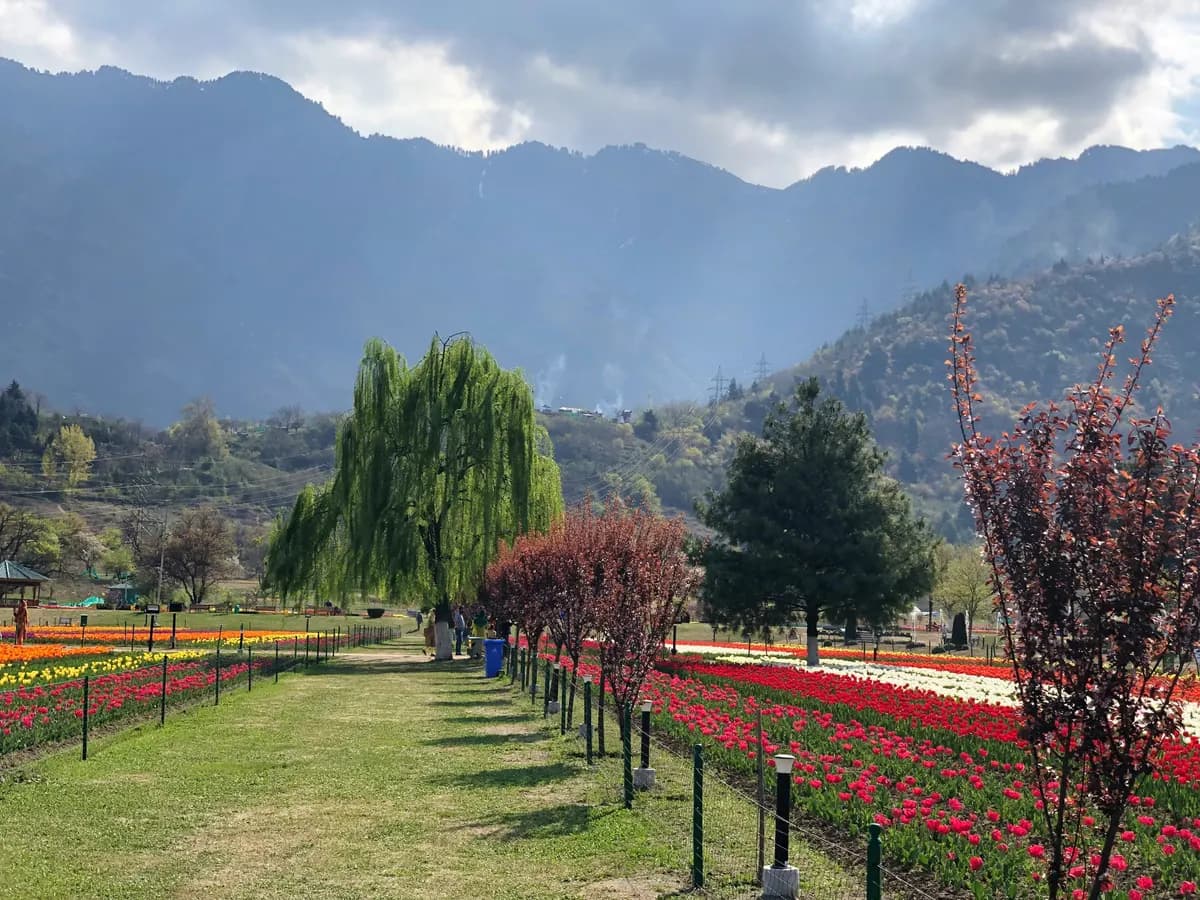
Spending a night aboard one of Srinagar's ornately carved houseboats is one of the more memorable overnight experiences available anywhere in India — many are genuinely comfortable, with proper bedrooms, dining rooms and staff who prepare Kashmiri meals on board. By day, the Mughal gardens — Shalimar Bagh and Nishat Bagh among them — were laid out specifically to take advantage of Kashmir's cooler climate and mountain views, terraced and symmetrical in a way that reflects centuries of continuous upkeep rather than restoration for tourism.
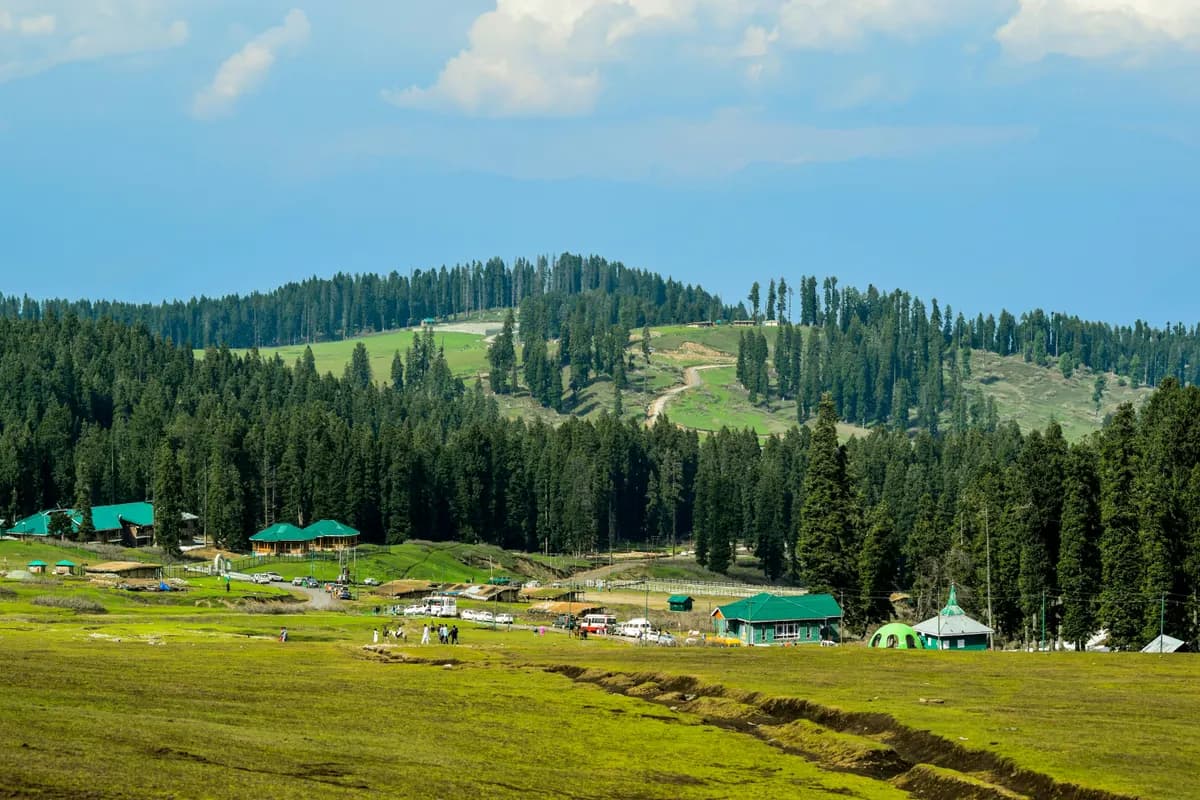
Beyond the city, Kashmir's hill stations offer a genuinely different register again. Gulmarg's high-altitude meadow, ringed by pine forest, functions as a ski destination in winter and a green retreat the rest of the year; Pahalgam and Sonamarg add river valleys and alpine scenery that feel closer to the Swiss or Austrian Alps than to the plains and deserts most first-time visitors associate with India. Local Kashmiri cuisine adds another dimension entirely — a Wazwan feast, the traditional multi-course meal served at Kashmiri celebrations, is built around slow-cooked meat dishes and saffron-infused rice that taste distinctly different from anything further south in India. For travellers who've already spent time in Rajasthan's heat and density, or the crowds of the Golden Triangle, Kashmir's pace and scenery come as a genuine change of register rather than more of the same landscape in a different city. It pairs naturally with Ladakh for travellers with more time, connected directly by the seasonal Srinagar–Leh highway, or works well as a standalone extension onto a wider North India itinerary.
What to See
Getting There
By Air
Srinagar Airport (SXR) has regular flights from Delhi and other major Indian cities, and is the fastest, most straightforward way in for most international itineraries.
By Road
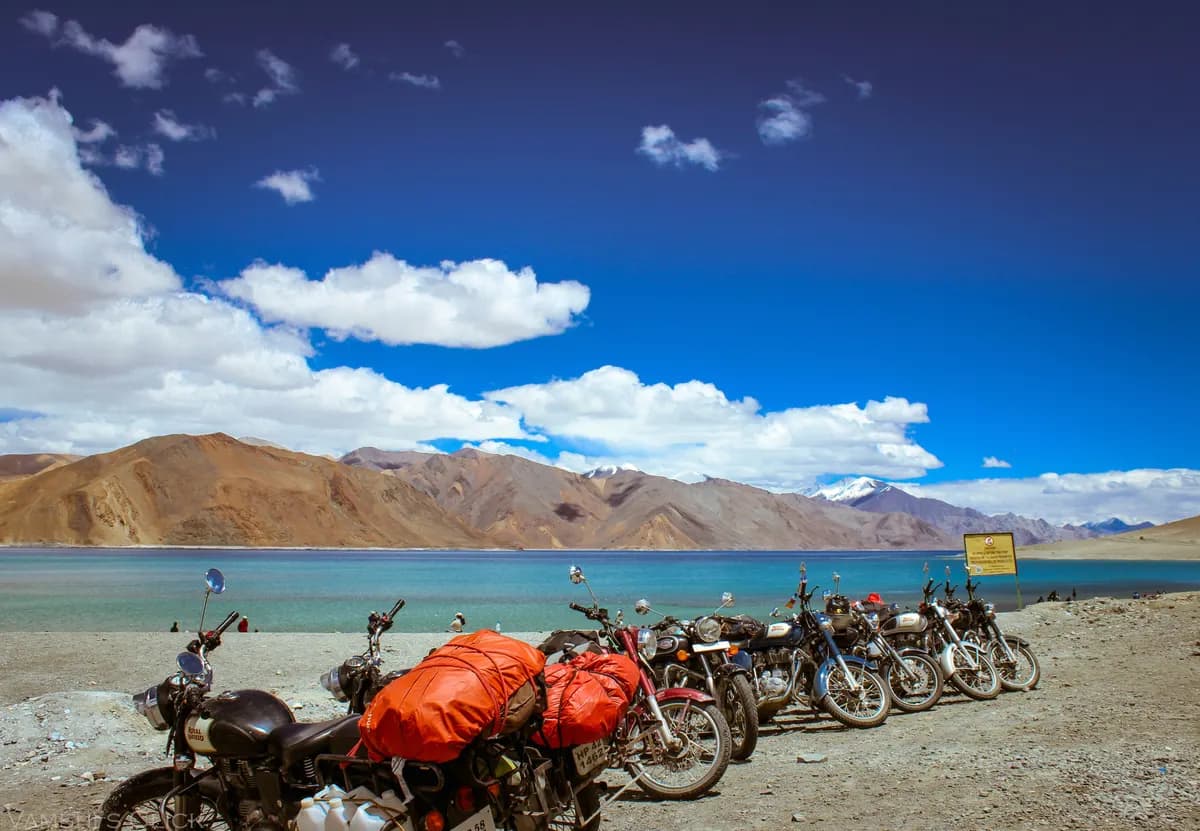
The Srinagar–Leh highway connects Kashmir directly to Ladakh for travellers combining both regions, though it's only open roughly June through September and involves two full days of driving each way.
Local Travel
Once in Srinagar, a private driver covers day trips to Gulmarg, Pahalgam and Sonamarg comfortably — each is a manageable half-day to full-day round trip from the city.
What Makes This Different
A Houseboat Stay on Dal Lake
Staying aboard one of Srinagar's ornately carved houseboats is a genuinely different kind of overnight experience, unavailable almost anywhere else in India.
Mughal Garden Heritage
Shalimar Bagh and Nishat Bagh were built by Mughal emperors specifically for Kashmir's climate and views — terraced, symmetrical, and still meticulously maintained.
Alpine Scenery Rare Elsewhere in India
Pine forests, snow-capped peaks and green meadows around Gulmarg and Pahalgam give Kashmir a genuinely alpine character distinct from the rest of the country.
Kashmiri Cuisine & Handicrafts
Wazwan feasts, saffron, and centuries-old traditions of pashmina weaving and papier-mâché work make Kashmir a distinct culinary and craft destination.
A Quieter, Greener Contrast
For travellers who've already covered Rajasthan's desert forts or the Golden Triangle, Kashmir's lakes and mountains offer a genuinely different register.
April to October is the Best Season
Spring brings tulip blooms and mild weather, while summer offers the most comfortable conditions for Gulmarg and Pahalgam. Winter transforms Gulmarg into a ski destination, but many other sites become harder to access under snow.
Nearby & Related Destinations
Getting Around by Private Car



Common Questions
A few honest answers before you book Srinagar & Kashmir.
Can't find your answer? Our team responds within 2 hours on WhatsApp and within 12 hours by email.
Is it safe for international tourists to visit Kashmir?
Srinagar and the main tourist circuit — Gulmarg, Pahalgam, Sonamarg — see regular international visitors and are well set up for tourism. As with any region, we monitor current conditions and advisories as part of planning your itinerary and will always give you an honest, up-to-date picture before you book.
Is staying on a houseboat actually comfortable?
Yes — houseboats range from simple to genuinely luxurious, with proper bedrooms, dining areas and en-suite bathrooms. It's one of the more memorable overnight stays available anywhere in India.
When is the best time to see the tulip gardens?
Kashmir's tulip gardens typically bloom in late March through April, making early spring the best window if that's a specific priority for your trip.
Can we combine Kashmir with Ladakh in one trip?
Yes — the Srinagar–Leh highway connects both directly, though it's only open roughly June to September. Outside that window, the two regions need to be visited separately or connected by air.
Srinagar and the main tourist circuit — Gulmarg, Pahalgam, Sonamarg — see regular international visitors and are well set up for tourism. As with any region, we monitor current conditions and advisories as part of planning your itinerary and will always give you an honest, up-to-date picture before you book.
Yes — houseboats range from simple to genuinely luxurious, with proper bedrooms, dining areas and en-suite bathrooms. It's one of the more memorable overnight stays available anywhere in India.
Kashmir's tulip gardens typically bloom in late March through April, making early spring the best window if that's a specific priority for your trip.
Yes — the Srinagar–Leh highway connects both directly, though it's only open roughly June to September. Outside that window, the two regions need to be visited separately or connected by air.
Itinerary planned by Dhruv Poonia, Digital & Marketing Manager
Start Your Journey
Your Journey to Kashmir Awaits.
When Will You Go?
Tell us how many days you have and what you'd like to see — we'll reply with a tailored itinerary and quote, usually within 24 hours.