Delhi – Agra – Jaipur – Ajmer – Pushkar
The classic Golden Triangle plus two days in Ajmer and Pushkar — a revered Sufi shrine and a sacred lake town, both a world away from forts and palaces.
Duration
8 Days / 7 Nights
Group Size
Private, any size
Starting From
From $700
Best Season
Oct – Mar
*Indicative price in USD. Final quote provided in INR or USD based on your preference. Price varies by travel dates, group size and hotel category.
Golden Triangle Tour with Ajmer & Pushkar Itinerary
This route takes the classic Golden Triangle and extends it west into a genuinely different register: Ajmer, home to the Dargah of Khwaja Moinuddin Chishti, one of the most important Sufi shrines in the world and a pilgrimage site for Hindus and Muslims alike; and Pushkar, a small lakeside town just over the hill from Ajmer, built around one of the only temples to the creator god Brahma anywhere in India. Where Delhi, Agra and Jaipur are about Mughal and Rajput history, Ajmer and Pushkar are about living faith — active pilgrimage, daily ritual, and a noticeably slower, more contemplative pace than the rest of the circuit.
Day 1 — Arrive in Delhi
On arrival at Indira Gandhi International Airport, your private guide and driver meet you at the terminal for a hassle-free transfer to your hotel in Delhi — no navigating pre-paid taxi queues, currency counters or SIM card kiosks alone after a long international flight. The rest of the day is left free to rest and adjust to the time change, with an optional evening orientation walk through a nearby market if you'd rather ease gently into the sights, sounds and street food of the Indian capital than stay in the hotel. Sightseeing begins properly tomorrow, so tonight is simply about recovering from the flight.
Day 2 — Delhi Sightseeing
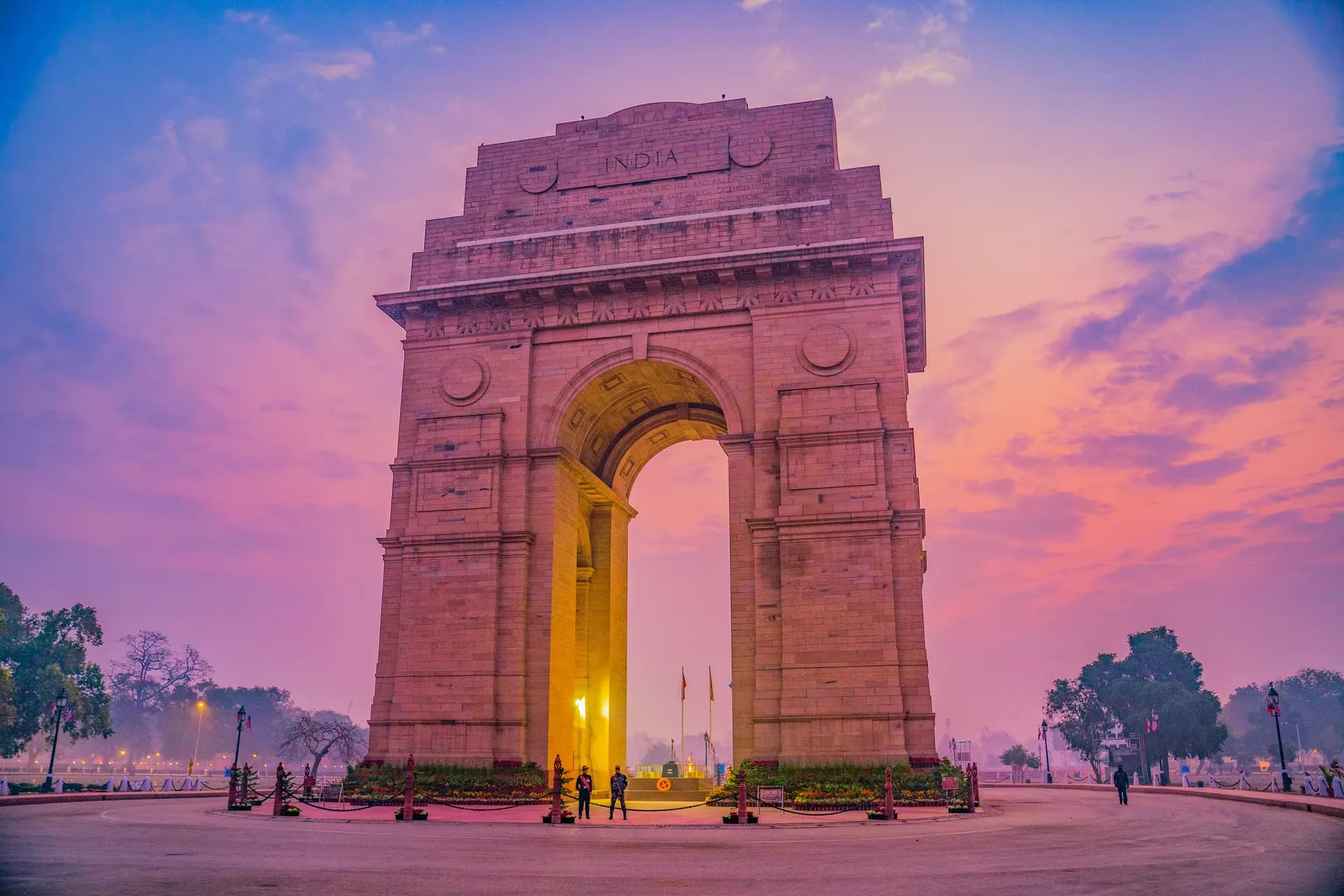
A full-day private tour covering Delhi's Mughal and colonial layers in one comfortable day rather than rushing between them. In Old Delhi: Humayun's Tomb, the elegant red-sandstone precursor to the Taj Mahal, the Jama Masjid mosque, and a cycle-rickshaw ride through the spice and textile lanes of Chandni Chowk. In New Delhi: the wide colonial-era avenues around India Gate, the government quarter surrounding Rashtrapati Bhavan, and the towering Qutub Minar if time allows. Your English-speaking guide narrates the history as you go, so you're not left decoding plaques on your own.
Day 3 — Delhi to Agra
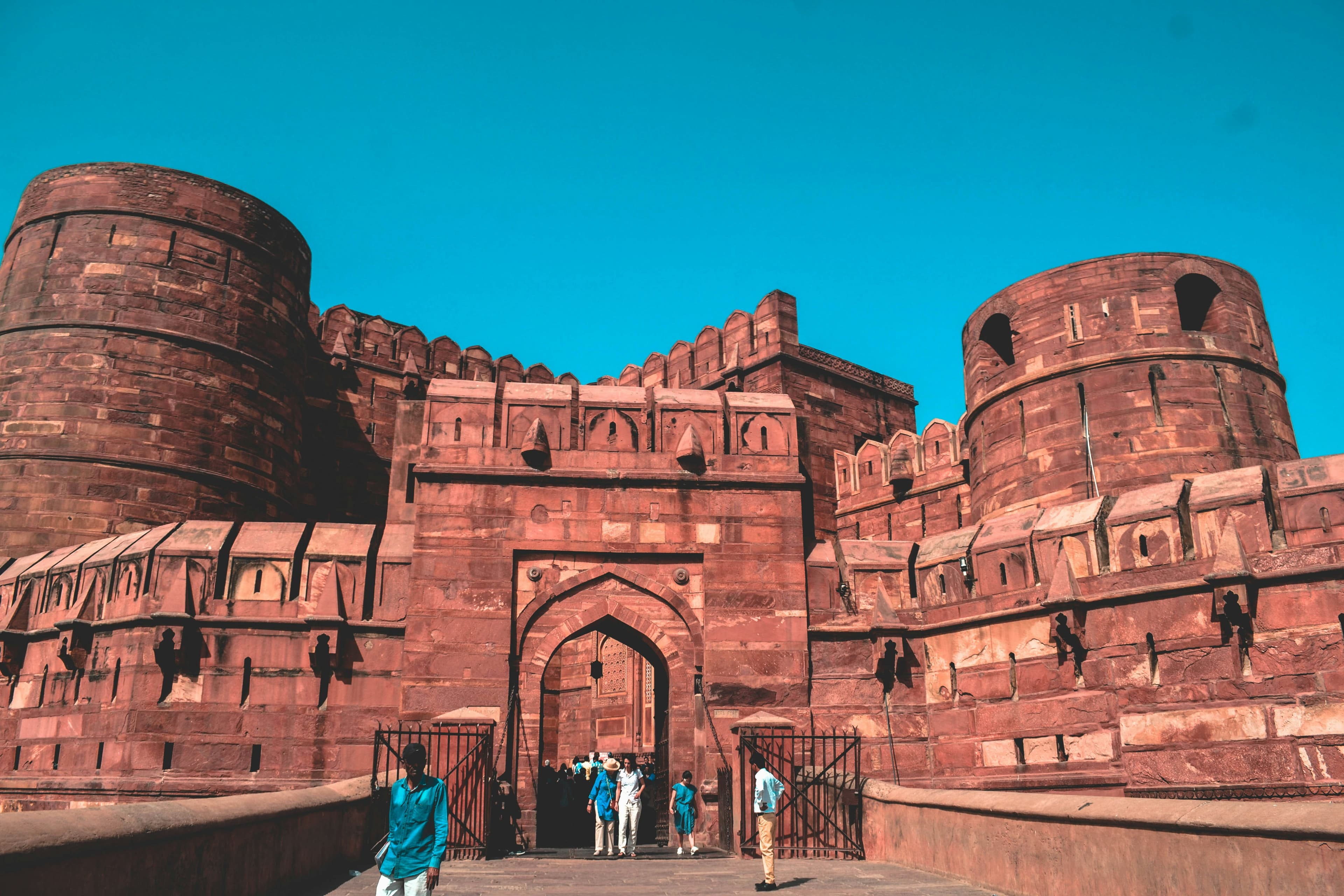
A scenic 3 to 4 hour private drive south to Agra, home of the Taj Mahal and one of the most anticipated stops on any first trip to India. After checking into your hotel, visit Agra Fort — a red sandstone UNESCO World Heritage Site and the Mughal seat of power before the capital later moved to Delhi — walking the same ramparts where Emperor Shah Jahan was reportedly imprisoned by his own son, with a distant view of the Taj Mahal he built. In the evening, head to the Mehtab Bagh gardens across the river for a first, uncrowded view of the Taj Mahal at sunset.
Day 4 — Taj Mahal Sunrise, on to Jaipur
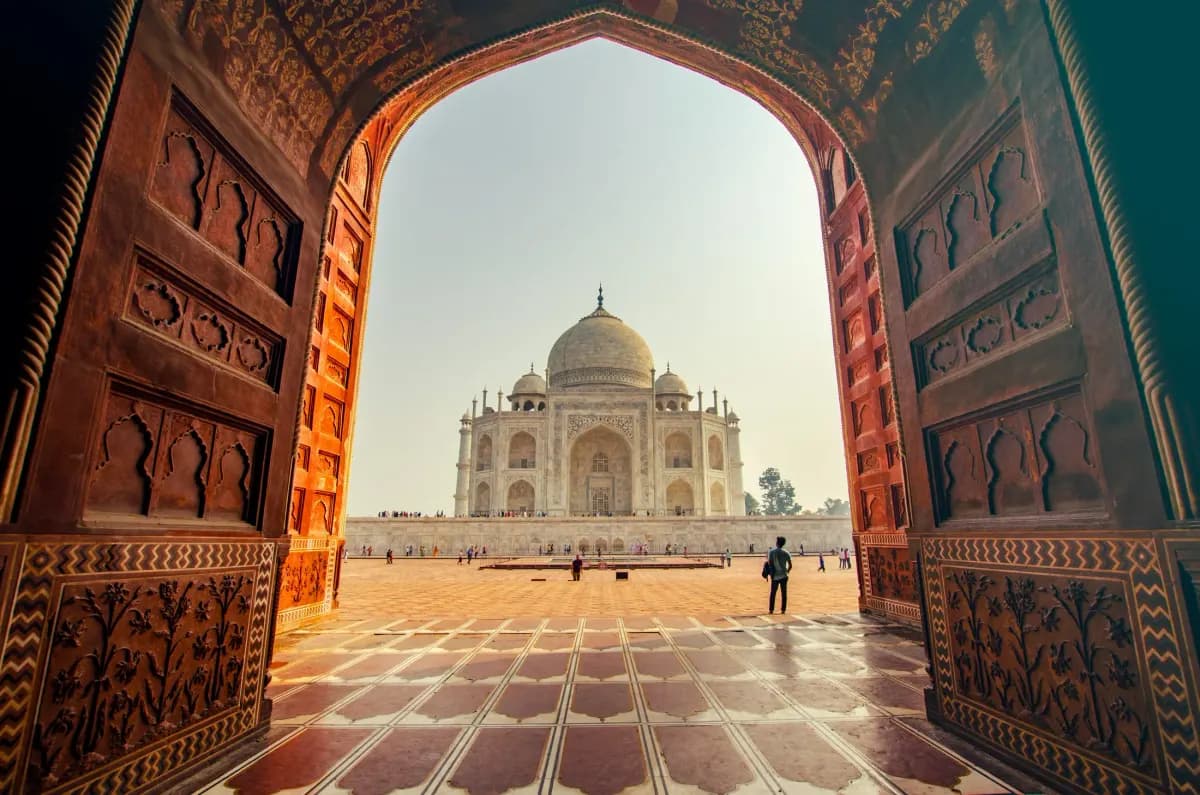
Enter the Taj Mahal at opening hour for sunrise — the single most-recommended timing among experienced India travel guides, for softer light, cooler temperatures, and the thinnest crowds of the day. Your guide will point out details easy to miss on your own: the semi-precious stone inlay work known as pietra dura, and the deliberate symmetry designed to be viewed from the main gateway. Afterwards, drive toward Jaipur, breaking the journey at Fatehpur Sikri, the astonishingly well-preserved abandoned Mughal capital built by Emperor Akbar and deserted within a generation due to water shortages.
Day 5 — Jaipur Sightseeing
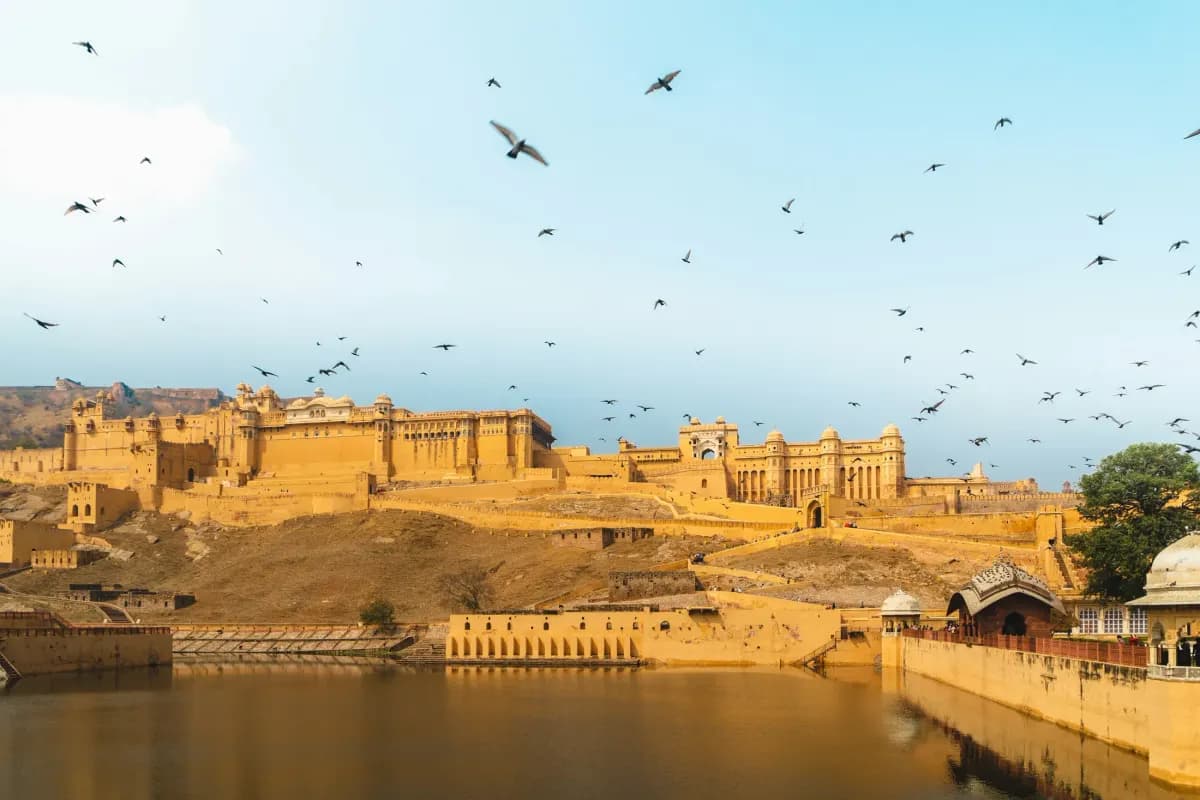
A full day exploring the Pink City, so named for the terracotta-pink wash applied to its old city buildings in 1876 to welcome a visiting British prince. Start early at Amber Fort, with the option of a jeep ride up to the entrance, followed by the City Palace complex, the Jantar Mantar astronomical observatory, and a photo stop at the honeycomb pink façade of Hawa Mahal. The evening is left free for Jaipur's famous bazaars — Johari Bazaar for gemstones, Bapu Bazaar for textiles — before tomorrow's shift toward a very different kind of Rajasthan.
Day 6 — Jaipur to Ajmer & Pushkar
A roughly 2.5 to 3 hour drive south-west from Jaipur to Ajmer, home to the Dargah of Khwaja Moinuddin Chishti — the tomb of a revered 12th-century Sufi saint, and one of the most important pilgrimage sites in the Islamic world, visited daily by people of every faith regardless of their own religion. Your guide will help you navigate the shrine respectfully, including appropriate dress and where visitors of any background are welcome to enter. From Ajmer, it's a short 20-minute drive over a hill pass to Pushkar, a small, laid-back lake town with an atmosphere entirely different from anywhere else on this itinerary — arrive by evening in time for a walk along the lake's ghats as the light fades.
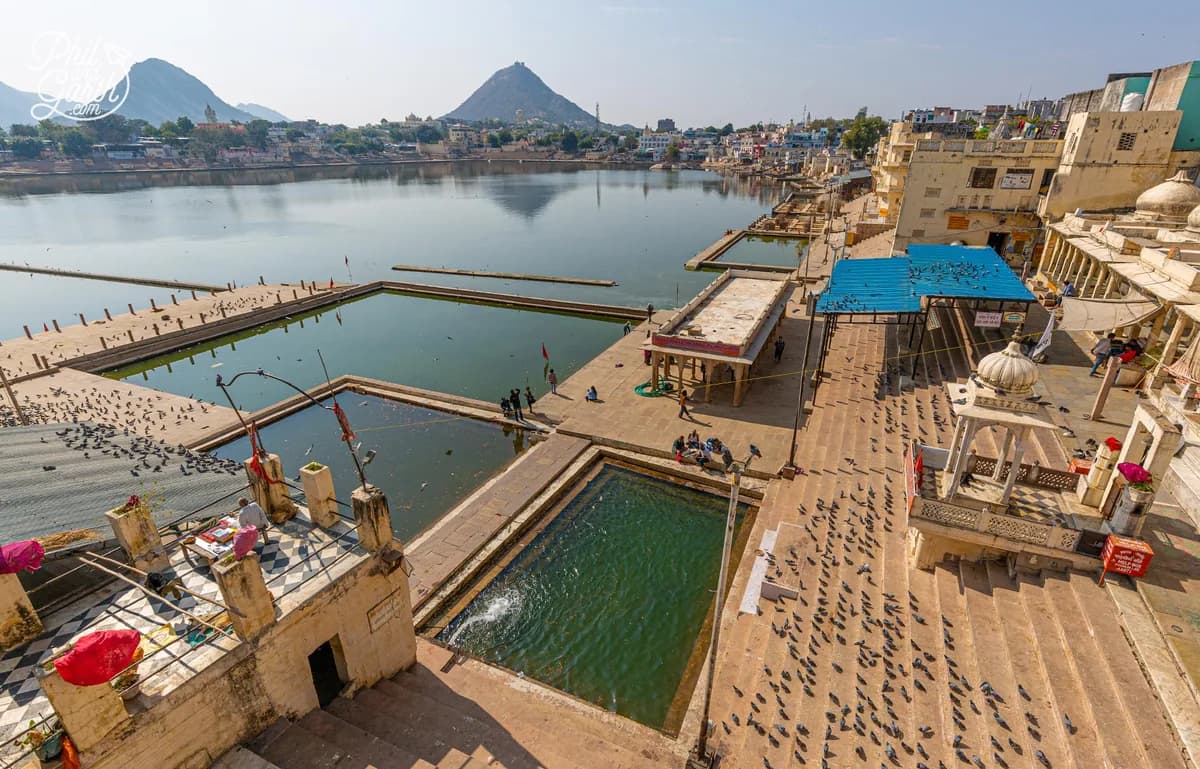
Day 7 — Pushkar Sightseeing
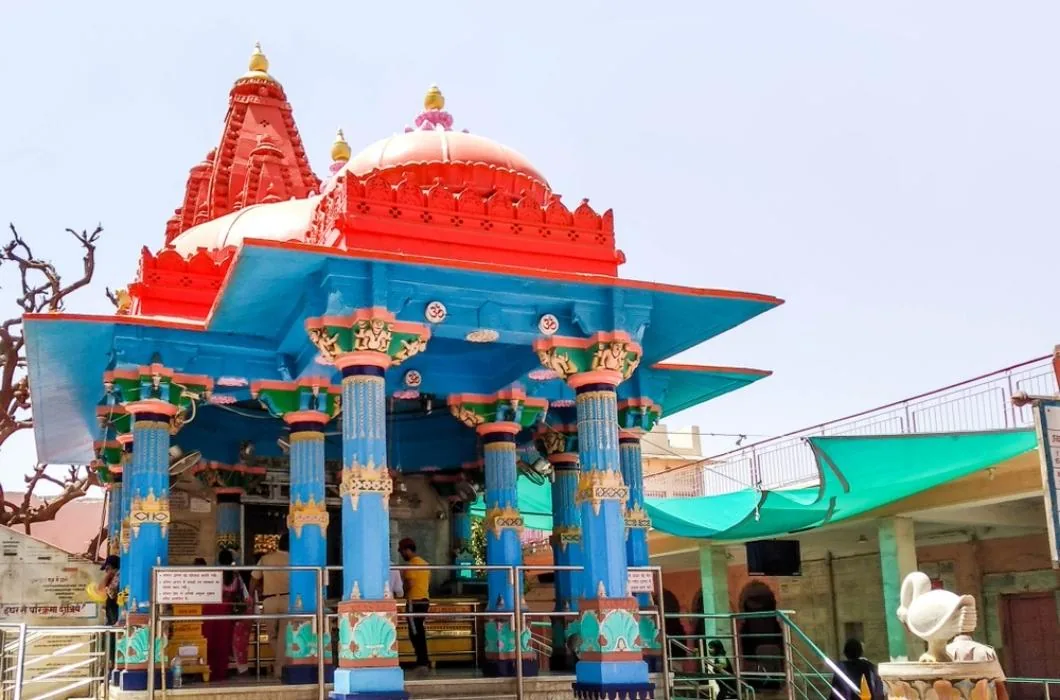
A full day in Pushkar, built entirely around its sacred lake, said in Hindu mythology to have formed where a lotus petal fell from Brahma's hand. Visit the Brahma Temple, one of the very few temples to the creator god anywhere in India despite Brahma's central place in Hindu cosmology, before a walk around the lake's 52 bathing ghats, each with its own name and significance to different pilgrim groups. The town's compact bazaar is worth a slow browse too, known for silver jewellery, block-printed textiles and a genuinely laid-back, almost bohemian atmosphere that's built up around decades of both pilgrim and backpacker traffic side by side.
Day 8 — Pushkar to Jaipur, Departure
A private transfer back to Jaipur (around 2.5 to 3 hours) for your onward or international departure flight, with the tour concluding on arrival at the airport. Looking back over eight days, the itinerary moves from Delhi's Mughal and colonial history through Agra's single iconic monument and Jaipur's forts and bazaars, before closing on Ajmer and Pushkar's living, everyday faith — a genuinely different note to end a first India trip on, and one that surprises many travellers who came expecting only forts and palaces.
Inclusions & Exclusions
What's Included
- 7 nights in hotels of your choice, twin-sharing
- Daily breakfast
- Private air-conditioned vehicle for all transfers and sightseeing
- English-speaking guide throughout
- Monument entry fees as per itinerary
- All applicable hotel and transport taxes
Not Included
- International and domestic flights — booked only on request
- Visa fees
- Lunches and dinners (unless noted)
- Personal expenses, tips, and travel insurance
- Camera fees at monuments (paid locally)
Why Travel Golden Triangle Tour with Ajmer & Pushkar With Us
A Living Pilgrimage Site
The Dargah of Khwaja Moinuddin Chishti in Ajmer is an active shrine visited daily by people of every faith, not a historical monument to walk past.
One of the Only Brahma Temples in India
Despite Brahma's importance in Hindu cosmology, temples dedicated to him are extremely rare — Pushkar's is one of the few anywhere in the country.
A Genuinely Different Final Note
Pushkar's laid-back lake-town atmosphere closes the trip on something quieter and more contemplative than another fort or palace.
October–March is Best
Cooler, drier weather across Delhi, Agra, Jaipur and the Ajmer–Pushkar region makes daytime sightseeing far more comfortable. April to June turns hot across the whole route, and the July–September monsoon brings humidity and occasional heavy rain.
Related Destinations
Related Tour Packages
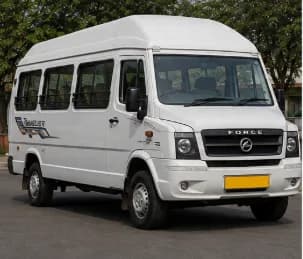
Getting Around by Private Car


Helpful Travel Guides
- Golden Triangle Itinerary: A 5 to 6 Day PlanDay-by-day Delhi, Agra and Jaipur, and how to compress it.Read the guide
- Taj Mahal Visiting Guide: Tickets, Timings & TipsForeign-visitor ticket prices, opening hours and sunrise tips.Read the guide
- India e-Visa Guide 2026Visa types, fees, stay limits and the e-Arrival Card.Read the guide
Common Questions About the Golden Triangle Tour with Ajmer & Pushkar
Can't find your answer? Our team responds within 2 hours on WhatsApp and within 12 hours by email.
Is the Ajmer Dargah open to non-Muslim visitors?
Yes — the shrine welcomes pilgrims and visitors of all faiths and backgrounds. Your guide will advise on appropriate dress and etiquette so you can visit respectfully.
Is Pushkar worth visiting outside of the Camel Fair?
Yes — while November's Camel Fair is a major draw, Pushkar's lake, temples and bazaar are worth visiting any time of year for their own atmosphere, without the fair's crowds and higher prices.
Can we extend this trip with Udaipur or Ranthambore instead of returning to Jaipur?
Yes — Pushkar sits within reach of both. Tell us your interests and available days and we can adjust the final leg of the itinerary accordingly.
Is alcohol available in Pushkar?
No — Pushkar is a sacred town and alcohol and non-vegetarian food are both prohibited within the town limits, a local rule worth knowing before arrival.
Is the price per person fixed?
We quote every trip individually rather than publish a fixed price — the final cost depends on your travel dates, group size, and the hotel category you choose. Send us your dates and hotel preference and we'll reply with an exact quote, usually within 24 hours.
Yes — the shrine welcomes pilgrims and visitors of all faiths and backgrounds. Your guide will advise on appropriate dress and etiquette so you can visit respectfully.
Yes — while November's Camel Fair is a major draw, Pushkar's lake, temples and bazaar are worth visiting any time of year for their own atmosphere, without the fair's crowds and higher prices.
Yes — Pushkar sits within reach of both. Tell us your interests and available days and we can adjust the final leg of the itinerary accordingly.
No — Pushkar is a sacred town and alcohol and non-vegetarian food are both prohibited within the town limits, a local rule worth knowing before arrival.
We quote every trip individually rather than publish a fixed price — the final cost depends on your travel dates, group size, and the hotel category you choose. Send us your dates and hotel preference and we'll reply with an exact quote, usually within 24 hours.
Itinerary planned by Dhruv Poonia, Digital & Marketing Manager
Start Your Journey
Your India, Nepal & Bhutan Journey Awaits.
Where Will You Begin?
Every itinerary is built privately around your dates and interests — tell us what you have in mind and we'll reply within 24 hours.