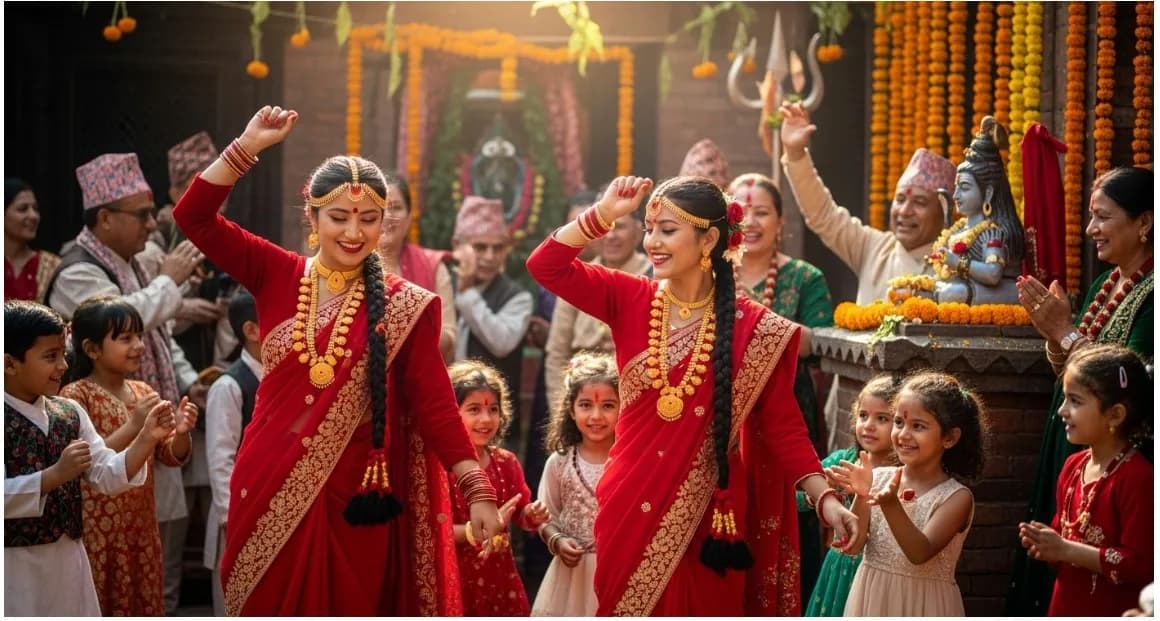
Jaipur Teej Festival
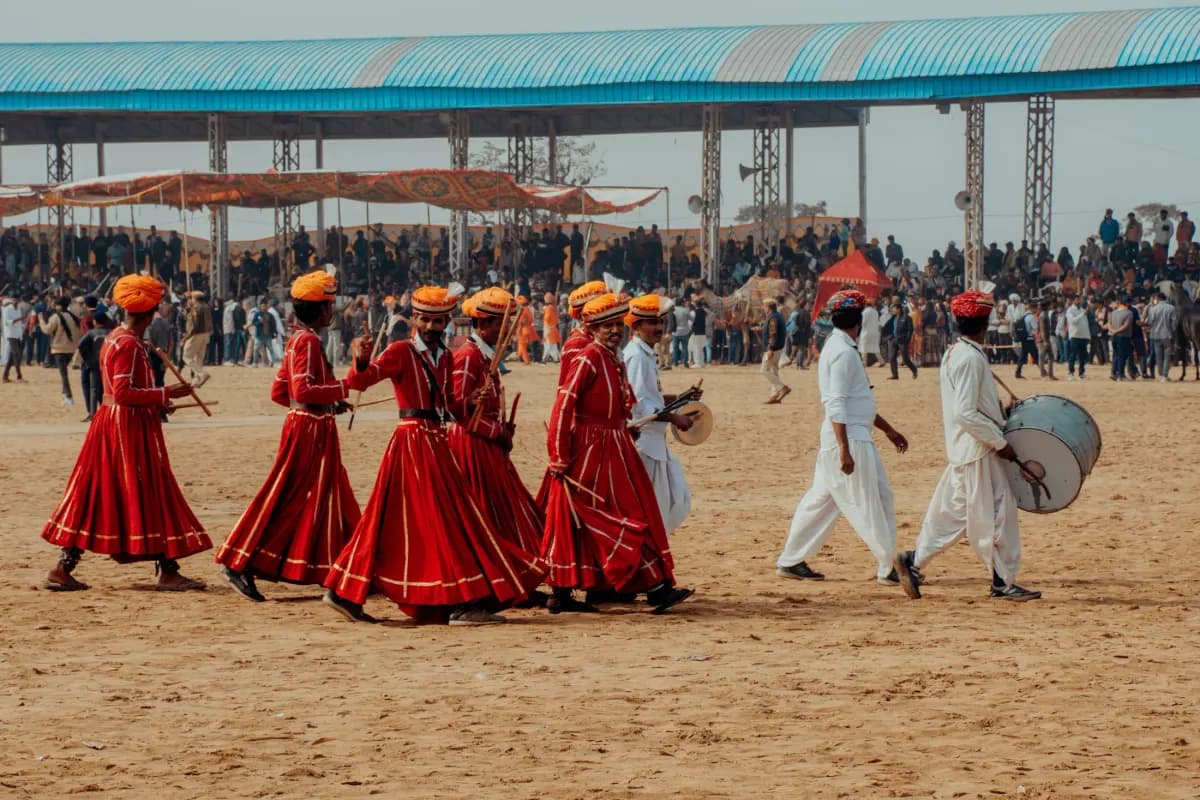
A royal Rajasthani procession marking the arrival of the monsoon — decorated elephants and camels move through Jaipur's old city, with women celebrating in traditional green dress.
Jaipur Teej Festival
Teej marks the arrival of the monsoon after Rajasthan's punishing summer heat, and in Jaipur specifically takes the form of a genuinely elaborate public procession with roots in the city's royal history — the Maharajas once organised the celebration themselves, and the modern procession still moves through the old city's main streets with decorated elephants, camels, and traditional musicians and dancers leading the way. In Hindu tradition, the festival also marks the reunion of the goddess Parvati with Shiva, giving it particular significance for married and unmarried women, who traditionally observe fasts and prayers for marital wellbeing around the same period.
The festival's visual signature is green — women celebrate in bright green traditional Rajasthani clothing specifically, a colour chosen to reflect the fresh growth the monsoon brings after months of dry heat, and courtyards and public spaces across the city fill with flower-decorated swings, a traditional Teej sight used for a customary swinging ritual associated with the celebration. Unlike more rural or temple-based festivals elsewhere in India, Jaipur's Teej procession happens directly through the city's main streets, making it one of the more visually accessible festivals for visitors to actually watch rather than observe from a distance.
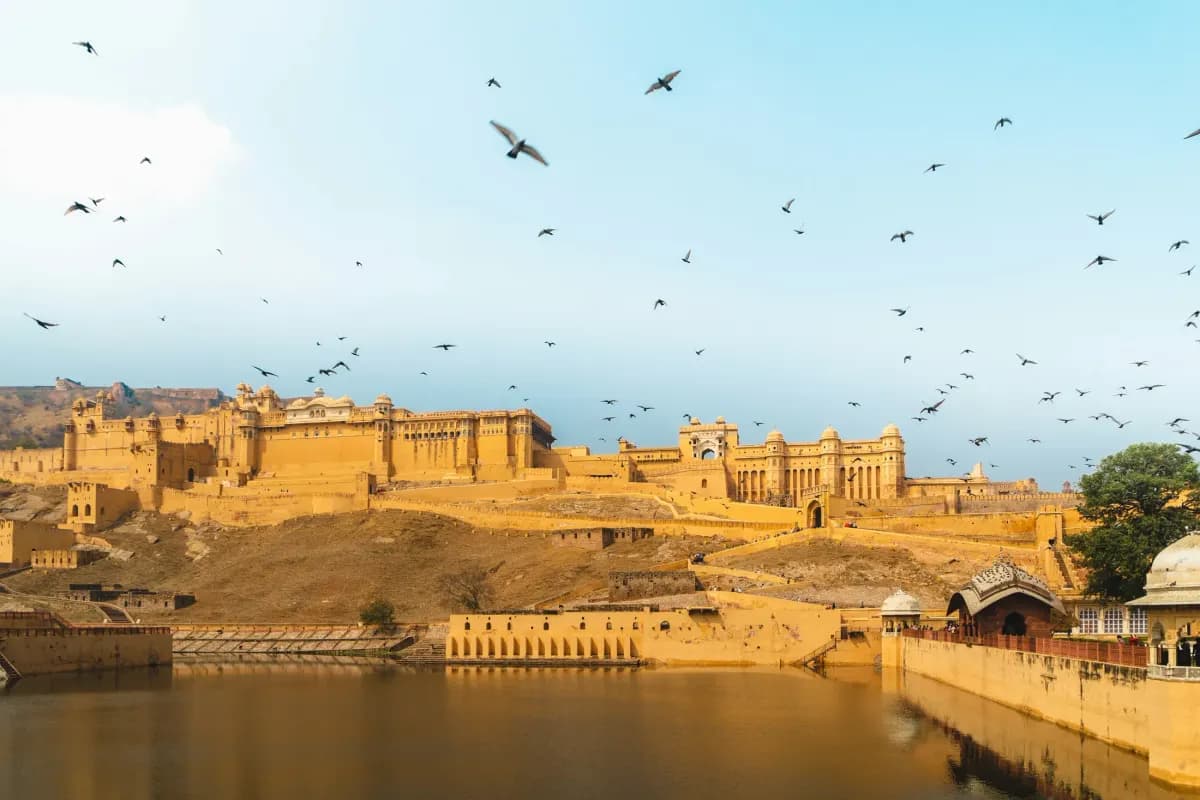
Because Teej is a citywide procession rather than a single fixed venue, it pairs naturally with general Jaipur sightseeing — Amber Fort, City Palace and Hawa Mahal are all easily combined with a Teej visit on the same trip without requiring extra travel days. Teej itself is celebrated across much of North India and Nepal in various forms, though Jaipur's version, with its royal procession heritage, is widely considered one of the most elaborate public celebrations of the festival anywhere.
Where
Jaipur, Rajasthan
When
July or August (dates shift yearly on the lunar calendar)
What to Expect
The Royal Procession
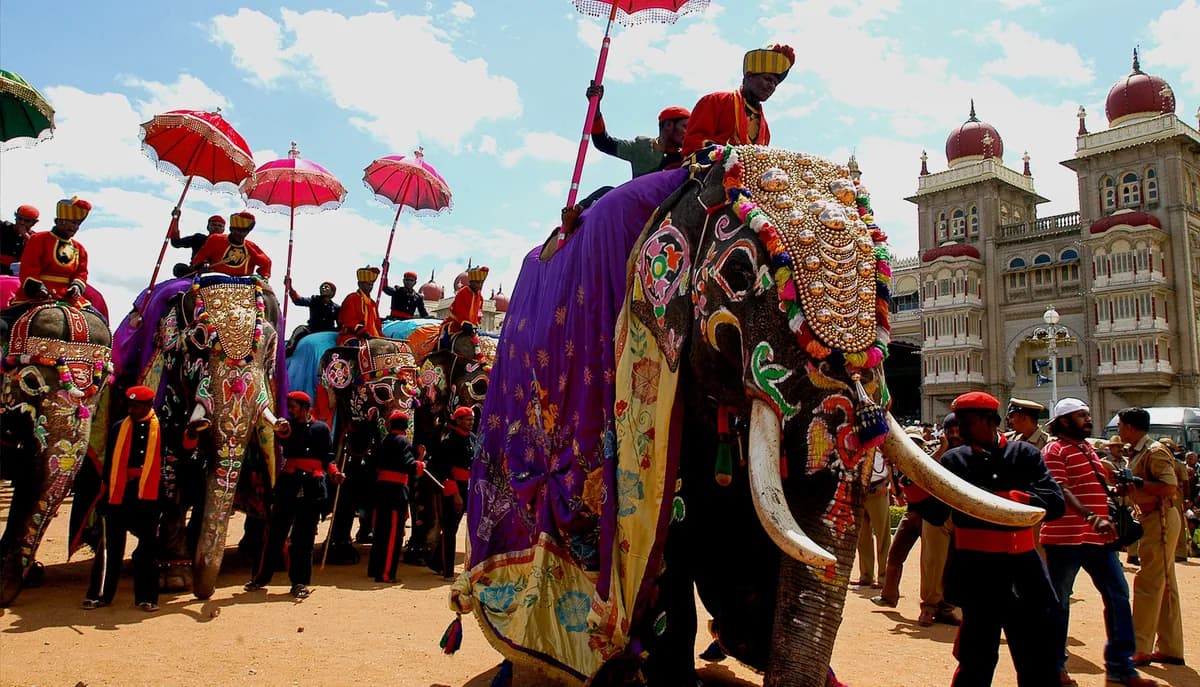
Jaipur's Teej procession, historically a royal event, still moves through the old city with elephants, camels and traditional musicians.
Traditional Dress
Women celebrate in bright, often green, traditional Rajasthani clothing, marking the arrival of the cooling monsoon after summer heat.
Decorated Swings
Flower-decorated swings are a traditional Teej sight, set up in courtyards and public spaces during the celebration.
A City Procession
Unlike more rural festivals, Jaipur's Teej happens through the city's main streets, making it easy to view as a visitor.
Related Destinations
Other Experiences
Common Questions
Everything international travellers ask before planning a trip around this festival.
Can't find your answer? Our team responds within 2 hours on WhatsApp and within 12 hours by email.
The arrival of the monsoon, and in Hindu tradition, the reunion of the goddess Parvati with Shiva — it's associated with marital devotion and is especially significant for married and unmarried women.
No, Teej is celebrated across much of North India and Nepal in various forms, but Jaipur's procession — with its royal origins — is one of the most elaborate public celebrations specifically.
No, like most Hindu festivals it follows the lunar calendar, so the date shifts within the July–August window each year.
No — the procession moves through Jaipur's public streets, so it can be watched freely, though arriving early to secure a good vantage point along the route is worth doing given the crowds it draws.
Yes — since it's a Jaipur city event with no extra travel required, it fits naturally into any wider Rajasthan circuit that includes Jaipur, and we can time your itinerary around the festival dates if you'd like to catch it.
Start Your Journey
Time Your Trip Around the Teej Festival.
When Will You Go?
Tell us your travel window and we'll build an itinerary around the festival, usually with a reply within 24 hours.