Goa Carnival
Four days of colourful street parades, decorated floats and live music before Lent — a Portuguese-era tradition that's become a genuinely Goan celebration in its own right.
Goa Carnival
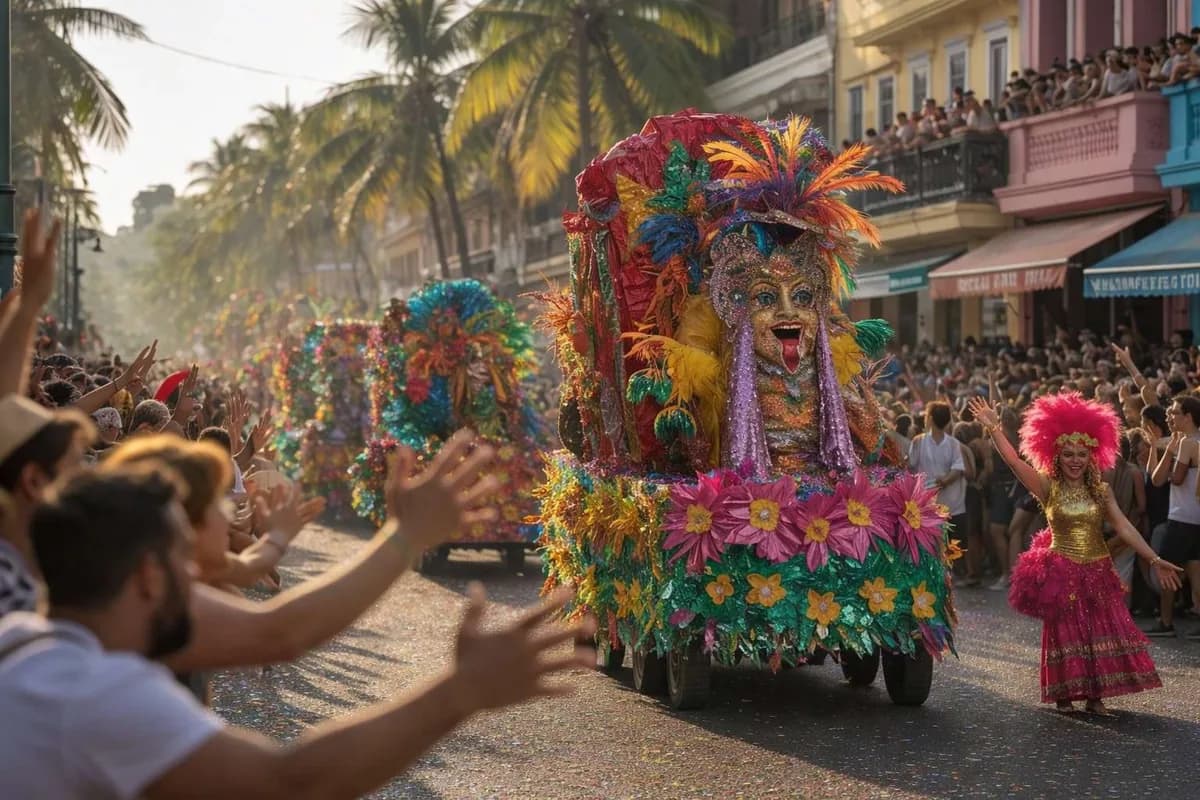
Goa Carnival is one of the few major Indian festivals with no roots in Hindu tradition at all — it arrived with Portuguese colonial rule, which held Goa for over 450 years, and has since evolved into a genuinely Goan celebration in its own right rather than remaining a foreign import. Held for four days each year just before the start of Lent on the Christian calendar, the carnival gives Goa a distinctly different festival character from the ritual-based celebrations found across most of the rest of India.
The centrepiece is a series of street parades featuring elaborately decorated floats, moving through Goa's towns over the four-day period, accompanied by live bands, costumed dance troupes and performers in vivid, often feathered and sequinned outfits reminiscent of Brazilian carnival traditions. The atmosphere is genuinely closer to a street party than a religious observance — crowds line the parade routes, and the towns hosting the procession each day take on a festive, almost holiday-within-a-holiday atmosphere distinct from Goa's usual laid-back beach-town pace.
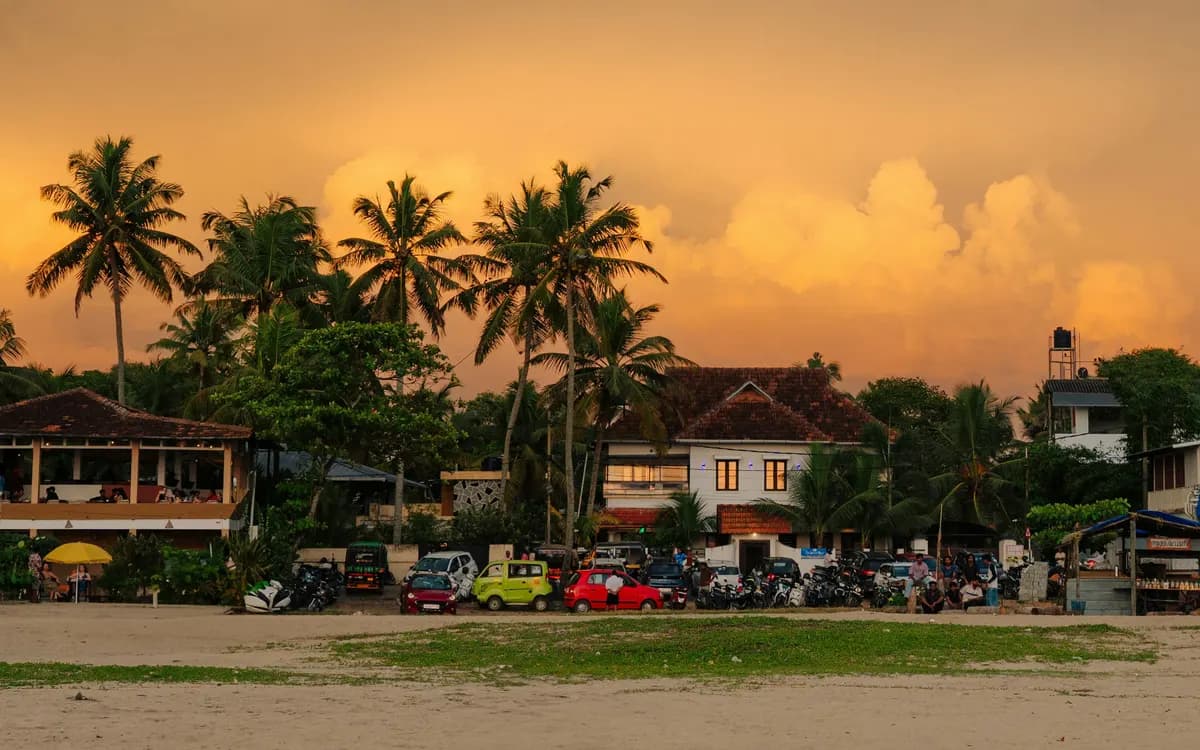
Because the carnival moves through Goa's towns rather than being confined to a single venue, it combines naturally with beach time on the same trip — most visitors treat it as an energetic few days worked into a broader Goa holiday rather than the sole reason for visiting. Goa's beaches, Portuguese-era churches and old-town architecture in Panjim and Old Goa are all easily combined with a carnival visit if your travel dates align with the four-day window.
Where
Across Goa's towns, including Panjim
When
4 days, just before Lent (typically February)
What to Expect
Street Parades & Floats
Colourful parades with decorated floats move through Goa's towns over several days.
A Portuguese Legacy
The carnival tradition arrived with Portuguese colonial rule and has become a genuinely Goan celebration in its own right.
Live Music & Dance
Bands, dance troupes and costumed performers give the festival an energy distinct from India's more ritual-based celebrations.
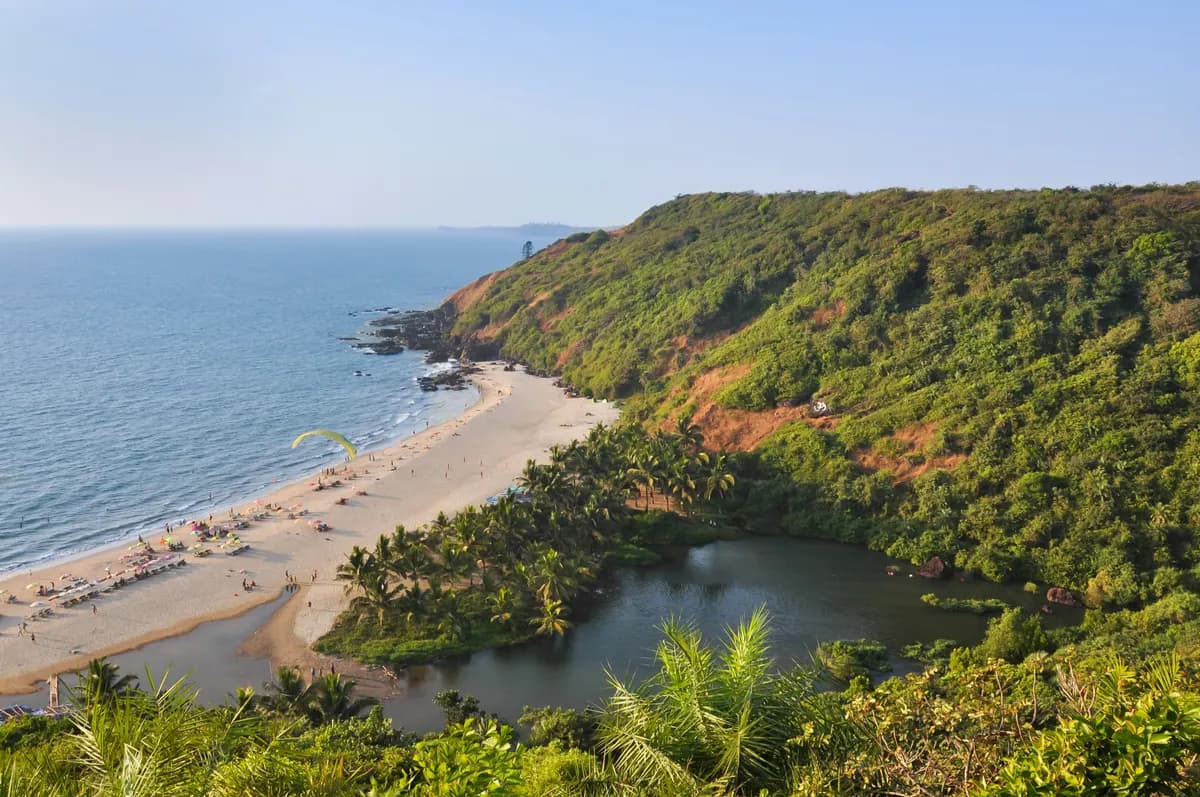
Combine with Goa's Beaches
The carnival happens across Goa's towns, easy to combine with beach time on the same trip.
Related Destinations

Other Experiences
Common Questions
Everything international travellers ask before planning a trip around this festival.
Can't find your answer? Our team responds within 2 hours on WhatsApp and within 12 hours by email.
It's rooted in Portuguese Catholic tradition rather than Hindu ritual, giving it a genuinely different character — more street party than religious observance.
Typically four days, timed just before the start of Lent on the Christian calendar.
Yes — the carnival happens across Goa's towns, so it fits naturally alongside beach time if your dates align.
The parade typically moves through several towns across the four days, with Panjim's leg often considered the largest and most elaborate — we can advise on the specific route and schedule for your travel dates.
Yes, to some extent — Goa is already a popular destination during this cooler winter season generally, and the carnival adds further demand, so booking accommodation well in advance is worth doing if your dates align with the festival.
Start Your Journey
Time Your Trip Around Goa Carnival.
When Will You Go?
Tell us your travel window and we'll build an itinerary around the festival, usually with a reply within 24 hours.