Diwali, the Festival of Lights
India's largest festival — diyas and string lights across homes, temples and cities, with Varanasi's ghats and Amritsar's Golden Temple offering two of the most striking public displays anywhere in the country.
Diwali, the Festival of Lights
Diwali, the festival of lights, is India's largest and most widely celebrated festival, observed by Hindus, Sikhs and Jains across the country, each tradition attaching its own significance to the occasion — broadly, the triumph of light over darkness and good over evil. The main celebration falls on a single night determined by the lunar calendar, typically in October or November, but the surrounding festival period spans roughly five days, each with its own smaller traditions building up to and following the main night itself.
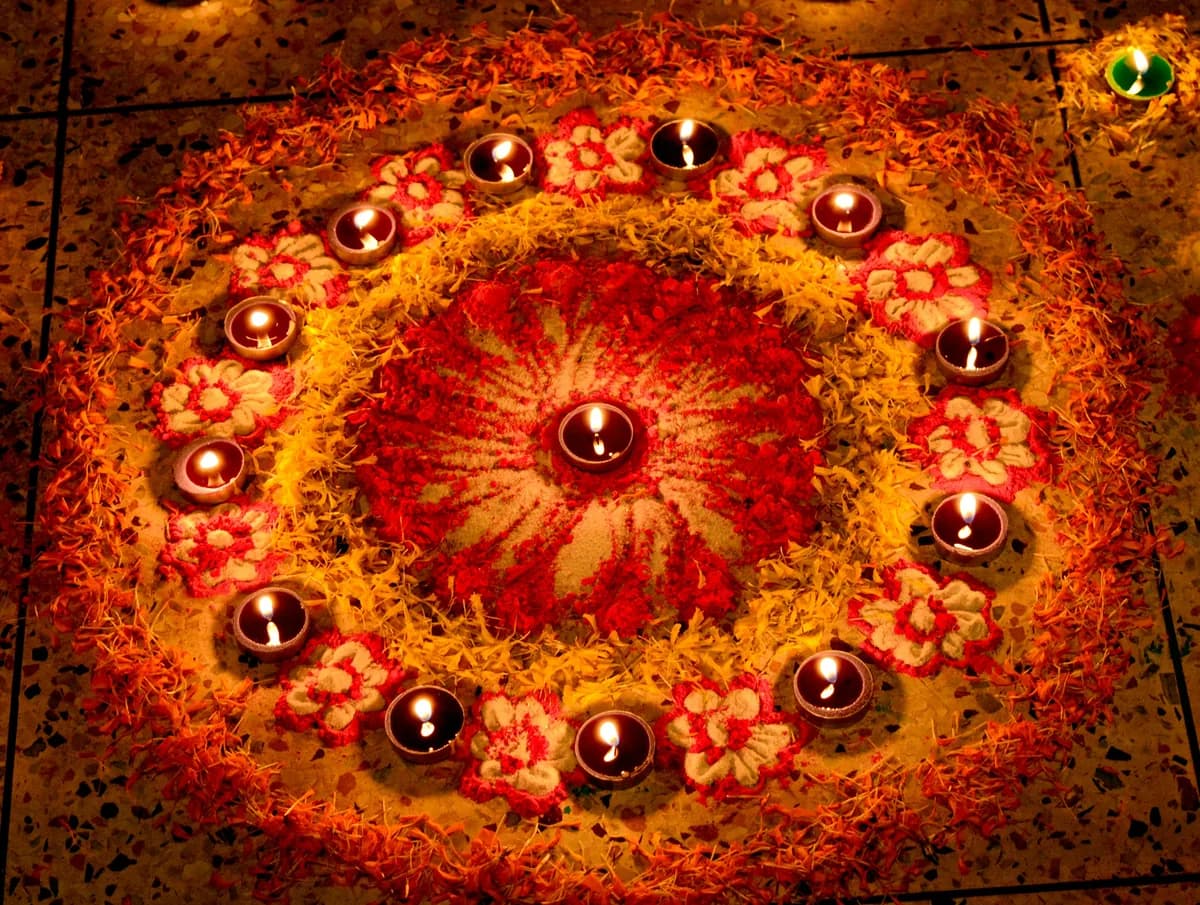
The festival's visual signature is light itself — diyas, small clay oil lamps, are lit in vast numbers across homes, temples, shops and public spaces, joined in recent decades by string lights and, in many cities, fireworks, though fireworks restrictions have tightened in several major cities in recent years for air-quality reasons. For visitors, the most striking way to experience Diwali is through the cities that put on the most elaborate public displays rather than through private family celebrations, which remain the festival's core but are naturally less accessible to outside visitors.
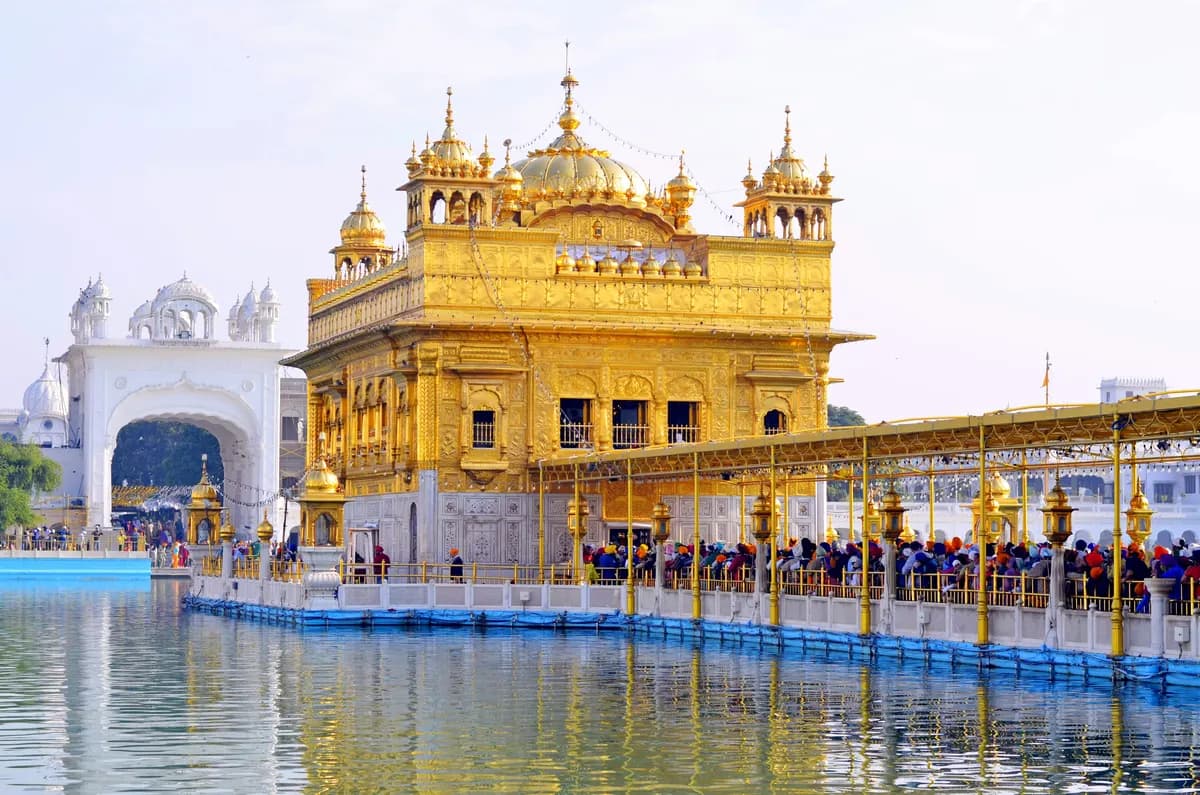
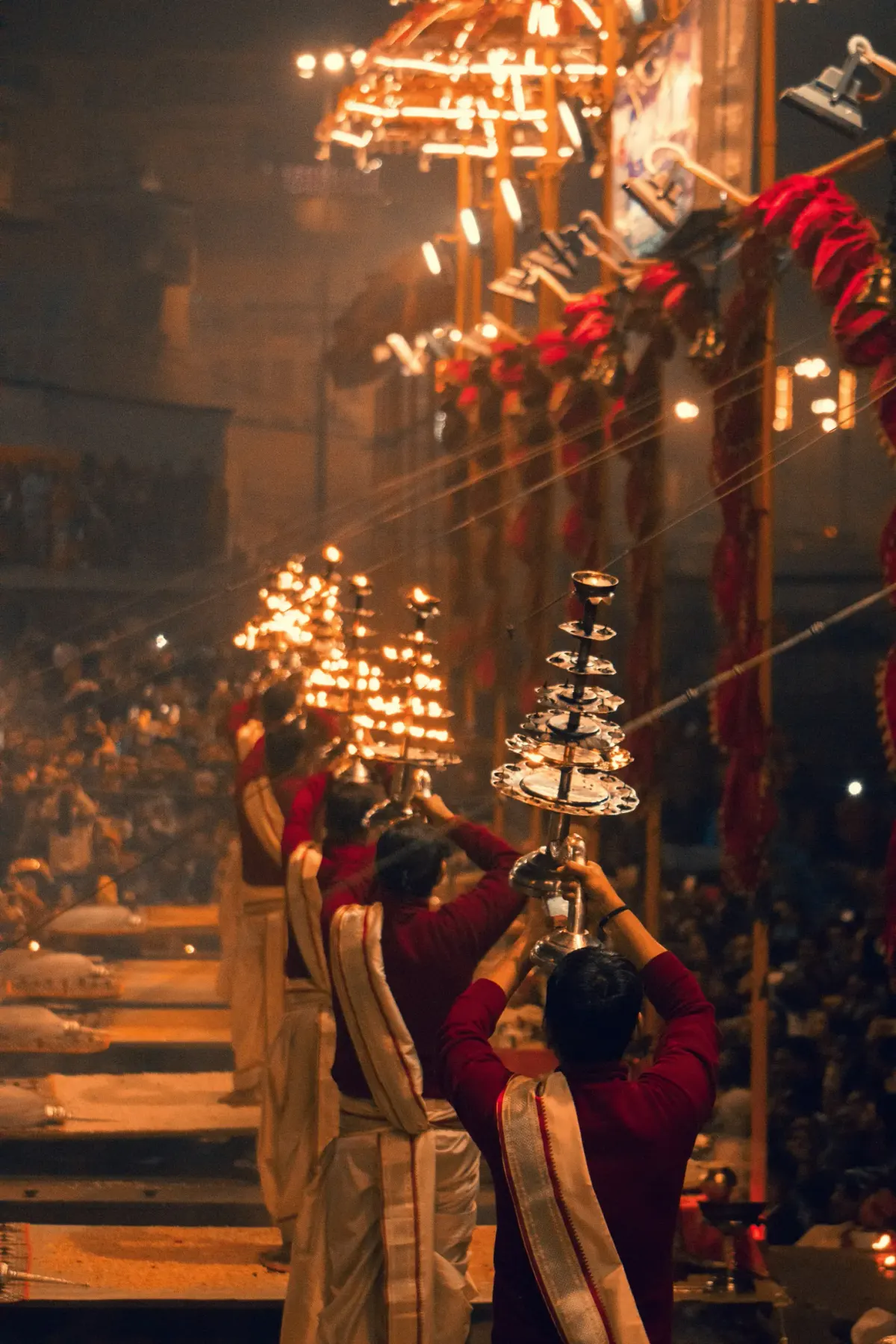
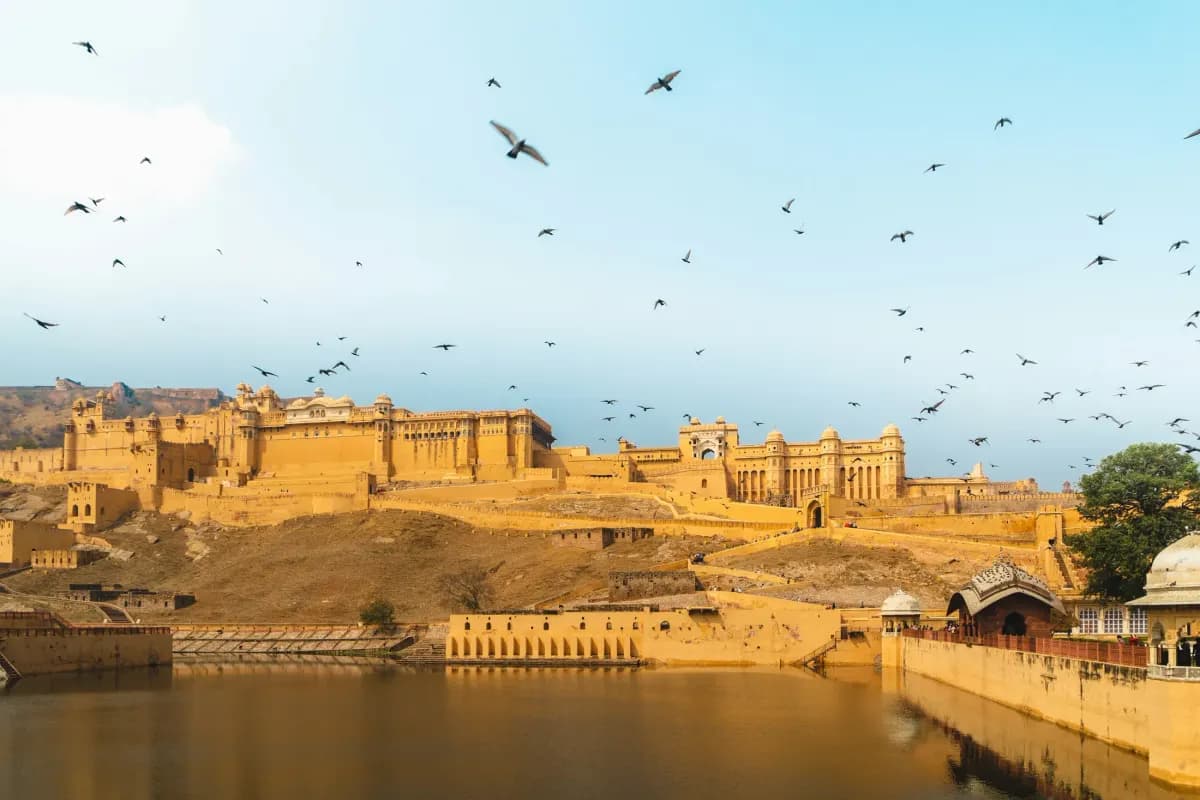
Varanasi's ghats, already among the most atmospheric settings in India, become especially striking during Diwali, lit with thousands of lamps along the Ganges in a scene that draws photographers and visitors from across the world. Amritsar's Golden Temple takes on a similarly striking character, illuminated and reflected in its surrounding pool in one of the most photographed Diwali scenes anywhere in India. Jaipur and Delhi also light up significantly during the festival, with markets and public buildings across both cities strung with lights for the full period, making either a reasonable alternative for travellers whose itinerary doesn't extend to Varanasi or Amritsar.
Where
Across India; Varanasi and Amritsar offer the most striking public displays
When
A 5-day period, typically October or November
What to Expect
Diyas & String Lights
Homes, temples and public spaces across India are lit with oil lamps and string lights for the full festival period.
Varanasi's Ghats
The ghats of Varanasi, already atmospheric, become especially striking during Diwali, lit with thousands of lamps along the Ganges.
The Golden Temple, Illuminated
Amritsar's Golden Temple is lit for Diwali and reflected in its surrounding pool, one of the most photographed Diwali scenes in India.
A Family Festival
At its core, Diwali is a home and family celebration — visitors experience it most vividly through markets, temples and public lighting rather than private gatherings.
Related Destinations
Other Experiences
Common Questions
Everything international travellers ask before planning a trip around this festival.
Can't find your answer? Our team responds within 2 hours on WhatsApp and within 12 hours by email.
Varanasi and Amritsar both offer especially striking public settings, though Jaipur and Delhi also light up significantly — we can build an itinerary around whichever fits your dates and interests.
The main celebration is one night, but the surrounding festival period spans about five days, each with its own smaller traditions.
Yes, though restrictions on fireworks have increased in some cities in recent years for air-quality reasons — we can advise on current conditions when planning your trip.
It's possible but adds meaningful travel distance given they sit in different parts of North India; most travellers choose one as their Diwali city and build the rest of their itinerary around it rather than attempting both in a single festival period.
Yes, particularly in Varanasi and Amritsar specifically for the festival dates — we'd recommend booking well in advance once your travel dates are confirmed, since demand rises significantly in the days around the main celebration.
Start Your Journey
Time Your Trip Around Diwali.
When Will You Go?
Tell us your travel window and we'll build an itinerary around the festival, usually with a reply within 24 hours.