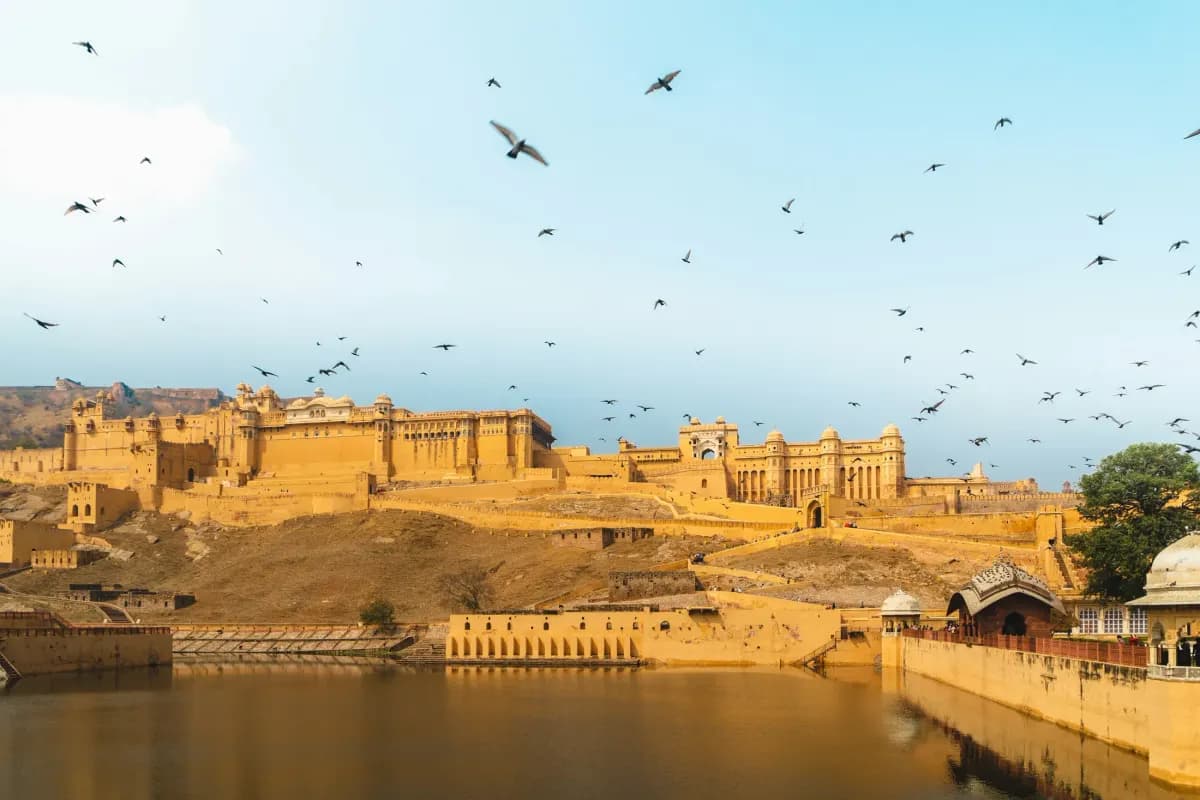
Jaipur — The Pink City
Forts, palaces and bazaars in Rajasthan's capital — the natural first stop on almost every Rajasthan itinerary, and a common third stop on the classic Golden Triangle route.
Best Season
October – March
Ideal Trip Length
2 – 3 Days
Main Gateway
Jaipur (JAI)
Languages Spoken
English, Hindi
Rajasthan's Capital, and Its Most Iconic City
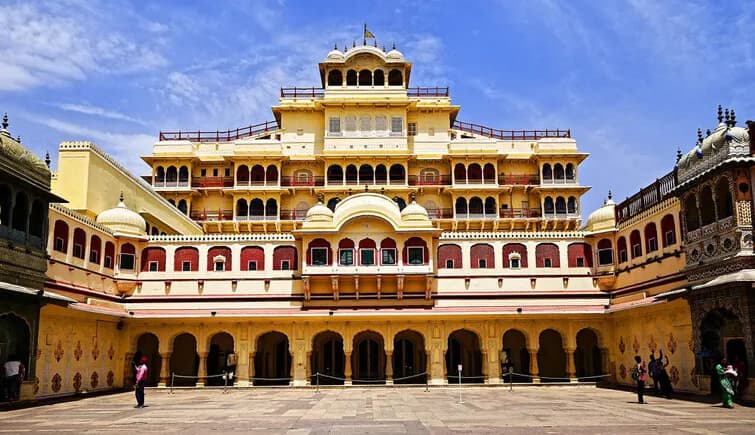
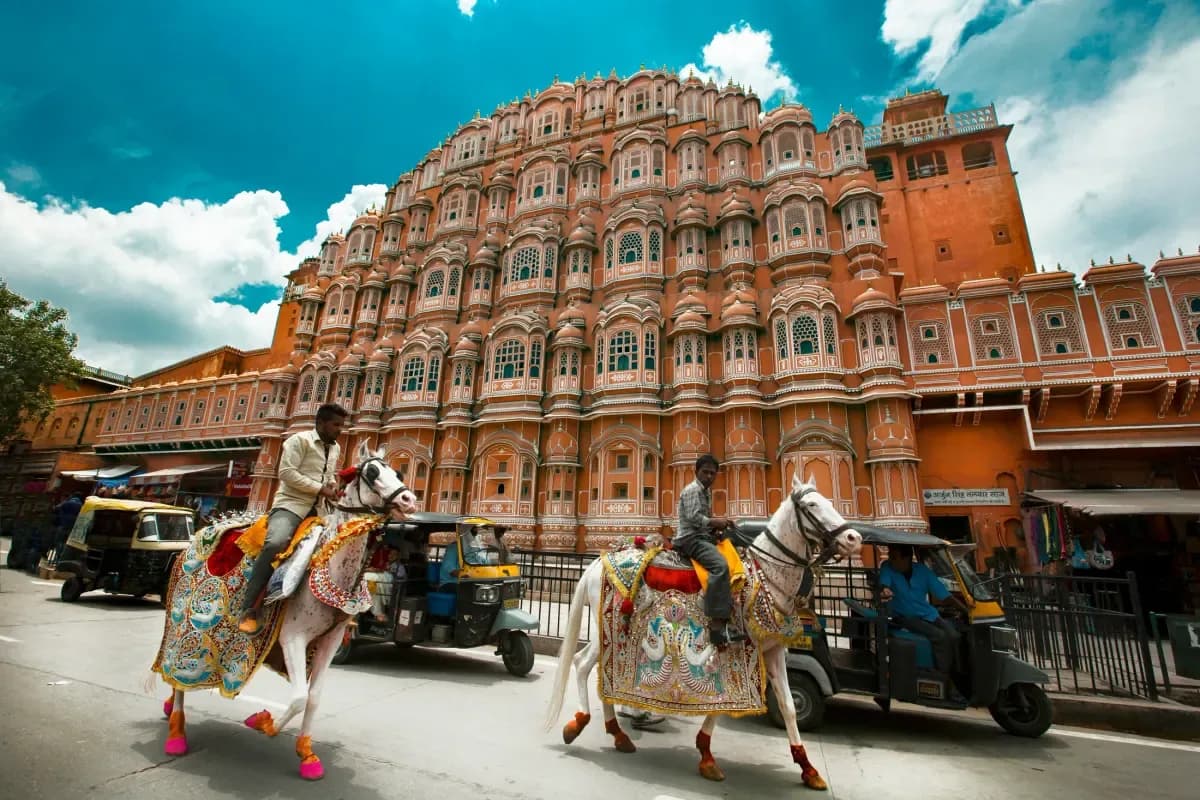
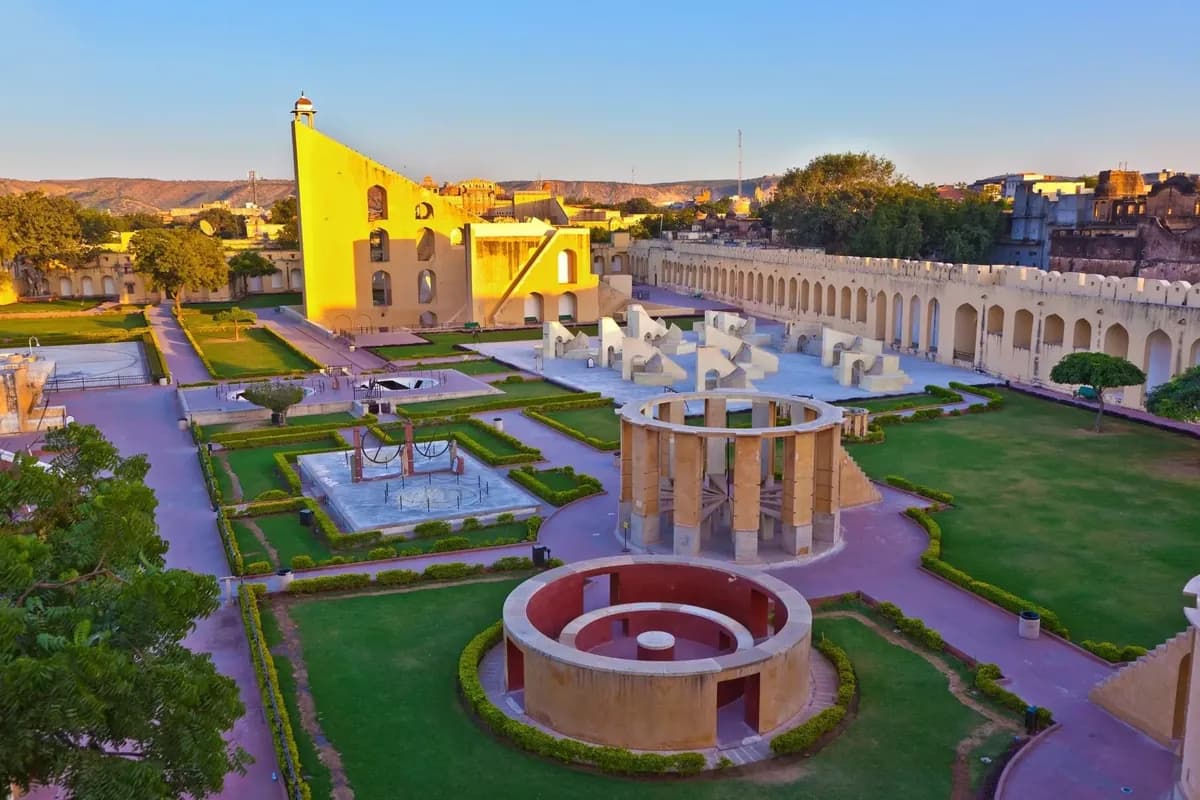
Jaipur is where most Rajasthan itineraries begin, and for good reason — within a compact area you get a hilltop fort-palace, a still-occupied royal palace, one of India's most recognisable facades, and a UNESCO-listed astronomical observatory, all within a short drive of each other. The city takes its nickname, the Pink City, from the terracotta wash applied to its old-city buildings in 1876, a tradition that continues to this day.
For international travellers, Jaipur is also simply an easy city to visit — well-connected by air and rail, with an established tourism infrastructure and English widely spoken at the major sites. It's the reason Jaipur so often anchors a wider Rajasthan trip rather than being treated as a single stop.
What to See in Jaipur
Getting to Jaipur
Main Gateway
Jaipur International Airport (JAI) connects directly to Delhi and several other Indian cities, with a growing number of international routes. The city is also well served by rail, roughly 4–5 hours from Delhi.
Typical Entry Route
Most international travellers arrive via Delhi, either flying directly into Jaipur or making the classic road journey through Agra as part of the Golden Triangle route.
Getting Around the City
Jaipur's major sights are spread across the city, so a private car with driver is the most comfortable way to move between Amber Fort, the City Palace and the old walled city's bazaars in a single day.
What Makes This City Different
The Pink City
Jaipur's old city was painted a uniform terracotta pink in 1876 to welcome the Prince of Wales, and the tradition has been maintained ever since.
Elephant or Jeep to Amber Fort
Visitors can choose between a jeep ride or an elephant ride up to Amber Fort's entrance — worth deciding on in advance, since queues for each move at different speeds.
A Living Royal City
Unlike many of Rajasthan's forts, the City Palace is still partly home to Jaipur's former royal family — this isn't a museum recreation of royal life, it's a continuation of it.
The Natural Golden Triangle Anchor
Jaipur is almost always the third stop after Delhi and Agra on a first-time India itinerary, and the most common gateway into the rest of Rajasthan.
October to March is Jaipur's Most Comfortable Season
Daytime temperatures are manageable for walking between sites from October through March. April through June brings intense heat that makes midday sightseeing genuinely uncomfortable, while the July–September monsoon brings humidity and occasional heavy rain.
Nearby & Related Destinations
Getting Around by Private Car



Common Questions About Jaipur
Everything international travellers ask before booking a Jaipur trip — answered honestly.
Can't find your answer? Our team responds within 2 hours on WhatsApp and within 12 hours by email.
2 to 3 days is typical — enough for Amber Fort, the City Palace, Hawa Mahal and Jantar Mantar, plus time in the bazaars, without feeling rushed.
Animal welfare standards for Amber Fort's elephants have improved but remain a genuine point of debate. We're happy to arrange the jeep option instead if you'd prefer, and can talk through the considerations honestly if you're deciding.
It's possible but not recommended — a rushed day trip means seeing very little. Jaipur genuinely rewards at least 2 full days, and pairs naturally with Agra as part of a longer Golden Triangle route.
October through March, when daytime temperatures are comfortable for walking between sites. April through June brings intense heat that makes midday sightseeing genuinely uncomfortable.
Start Your Journey
Your Jaipur Journey Awaits.
When Will You Go?
Tell us how many days you have and we'll build Jaipur into your wider Rajasthan itinerary — usually with a reply within 24 hours.